Advance tax for businesses in India requires eligible taxpayers to pay estimated income tax in instalments throughout the financial year rather than waiting until the year ends.
Paying taxes is a regular part of running a business, but businesses don’t always have to wait till the end of the year to pay their tax liability. Under the advance tax system, eligible taxpayers pay their estimated tax in instalments throughout the year.
While the concept sounds simple, it might get complicated to calculate the amount, remember the instalment dates, or understand interest under Sections 234B and 234C. In this article, we’ll break down how advance tax works, when businesses need to pay it, and what happens if payments are delayed or insufficient.
Table of Contents
How Advance Tax for Businesses Works
Advance tax allows businesses to pay their tax liability in instalments throughout the year instead of waiting until the end of the financial year. This reduces the burden of making a large lump-sum payment at once and allows businesses to manage their tax payments alongside their earnings and cash flow; hence, it’s also named “pay-as-you-earn” tax.

Source: ChatGPT
Who is Eligible to Pay Advance Tax?
Taxpayers pay advance tax when their estimated tax liability for the financial year exceeds ₹10,000 after considering TDS. However, there are some exceptions, particularly for senior citizens who do not have any income from a business or profession.
- Salaried Individuals with Additional Income: If your salary is already subject to TDS, you may not need to pay advance tax on your salary income. But if you also earn income from sources such as rent, capital gains or interest and your total tax liability exceeds ₹10,000, advance tax may apply.
- Self-Employed Professionals and Freelancers: If you earn income from a business, profession, or freelance work and your estimated tax liability is more than ₹10,000, you generally need to pay advance tax.
- Businesses and Companies: Businesses and companies with taxable income may have to pay advance tax when their estimated tax liability exceeds the ₹10,000 threshold. This applies regardless of the business size.
- Senior Citizens: Individuals aged 60 years or above who do not have income from a business or profession are generally exempt from paying advance tax. However, senior citizens earning business or professional income may have to pay it if their tax liability exceeds ₹10,000.
What Are the Advance Tax Instalment Dates?
Advance tax is paid in instalments at different points during the year. The amount payable depends on the applicable instalment and the taxpayer’s estimated tax liability.
| Instalments | Due Date | Cumulative Tax Payable |
| 1st instalment | 15 June | 15% of total estimated tax liability |
| 2nd instalment | 15 September | 45% of total estimated tax liability |
| 3rd instalment | 15 December | 75% of total estimated tax liability |
| 4th instalment | 15 March | 100% of total estimated tax liability |
If you have opted for the presumptive taxation scheme under section 44ADA of the Income Tax Act, 1961, you are liable to pay 100% of Advance Tax on or before 15th March of the previous year. Otherwise, you will be liable to pay interest under Section 234B and Section 234C of the Income Tax Act.
Maintaining accurate financial records helps businesses estimate taxable income, plan payments, and manage tax compliance.
What Happens If You Miss an Advance Tax Instalment?
If you miss an advance tax instalment or pay less than the required amount, it results in an interest charge on the shortfall amount. The interest applicable depends on the nature of the default. Under the Income Tax Act, 1961, Section 234B pertains to default in payment of advance tax, while Section 234C deals with deferment of advance tax instalments.
Therefore, businesses should track both their estimated tax liability and the advance tax instalment dates to avoid unnecessary interest charges.
What is the Interest under Sections 234B and 234C?
Section 234B: Interest for Default in Advance Tax
Section 234B applies when the taxpayer fails to pay the required amount of advance tax during the financial year. In such cases, interest may be charged on the taxable amount which remains unpaid after considering the advance tax already paid. The interest is generally calculated at 1% per month or part of a month for the applicable period.
Section 234C: Interest for Deferment of Advance Tax
Section 234C applies when a taxpayer does not pay the required amount of advance tax by the specified instalment dates. Interest is charged on the shortfall for the relevant instalment period. The provision is intended to encourage taxpayers to make their advance-tax payments on time rather than delaying them until the end of the year.
In short, Section 234B deals with a shortfall in overall advance tax, whereas Section 234C deals with the deferment of individual instalments.
_________________________________________________________________________________
References
[1] HDFC Bank, “How to Pay Advance Tax Online,” Aug. 17, 2026. Available: https://www.hdfc.bank.in/blogs/taxes/how-to-pay-advance-tax-online
[2] ICICI Direct, “What Is Advance Tax? – Meaning, How to Pay & Payment Guide,” Nov. 11, 2021. Available: https://www.icicidirect.com/ilearn/personal-finance/articles/what-is-advance-tax
[3] M. S. Chokhawala, “Advance Tax FY 2026-27: Due Dates, How to Calculate, Pay Online and Penalty,” ClearTax, Aug. 11, 2026. Available: https://cleartax.in/s/advance-tax
REPORTS
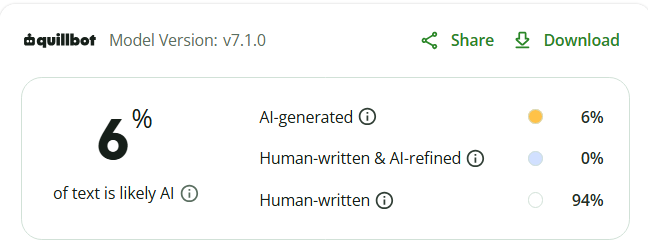
AI DETECTOR
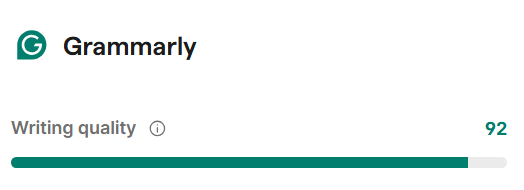
PROOFREADING
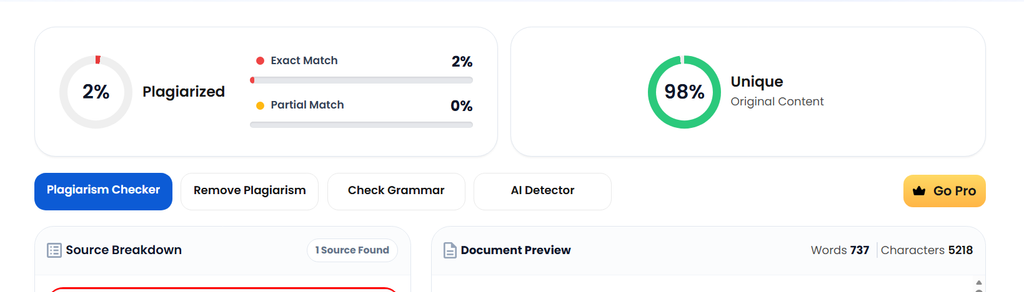
PLAGIARISM