
Ⅰ. Introduction
India depends on domestic and international Logistics to move raw materials and finished products on their potential destination. Exporters use ships, ports, roads and railways, airline to send goods to different markets. When freight charges increase, companies may have to spend more money to move the same quantity of goods and that export charger will also be increase. It also impacts the saving plan of the investors.
Recent trade disruptions have increased this concern. The Directorate General of Foreign Trade (DGFT) has noted that geopolitical problems have caused vessel diversions, longer routes, higher insurance costs and additional freight charges for exporters.
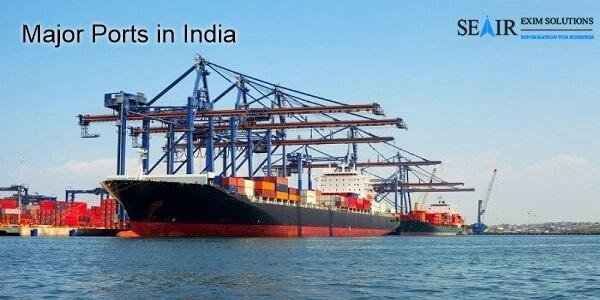
Import export shipping industry major ports.
Ⅱ. Reasons for Rising Freight Cost
Freight costs can rise because of several reasons behind them as given below:
- Higher fuel prices
- Longer shipping routes
- Port congestion
- Container shortages
- Geopolitical tensions
- Higher insurance charges
These all are the main reason to delay the delivery of import- export product to their potential destination. Investor may also expend more amount to deliver the product on time without any delay.
For example, disruptions around important shipping routes can force vessels to take longer routes. This increases fuel use, travel time and other operating costs. Recent reports also show that Indian exporters have faced higher freight rates and shipping delays. Its also impact the market condition when product is not available on time.
Ⅲ. Impact On Indian Company
The first impact of a higher Freight Cost is on company expenses. If transportation becomes expensive, the company may get the lower profit margins or increase its selling price to reach their accepted profit.
Export-oriented sectors such as textiles company, engineering goods, pharmaceuticals and agricultural products can be affected because transportation is an important part of their total cost. Recent reporting has highlighted pressure on exporters’ margins from higher freight rates, delays and container shortages.
Small businesses and MSMEs may face greater pressure because they usually have fewer resources to handle the sudden change in cost of import and export duties. The government has introduced measures such as freight and logistics support for exporters to reduce some of this pressure. It makes easier to them to handle the sudden challenges.
Ⅳ. Effect On Investors
Rising freight costs can also matter to investors. If a company’s transportation expenses increase rapidly, its profit has to be decrease. This can affect future earnings, saving, and investment also investor lose confidence to invest in other.
However, the effect is not the same for every company. Large businesses which have strong pricing power, effective supply chains and better contracts are able to handle higher freight costs more easily.
Investors should therefore look at a company’s logistics expenses, profit margins, debt, export dependence and ability to pass higher costs to customers before making an investment decision.
Ⅴ. Important Of Better Logistics
Companies can reduce the effect of rising freight costs through better Logistics planning. They can use multiple suppliers to deliver the product, alternative ports which avoid the delay, better inventory planning and digital tracking systems which give the acquired knowledge about shipping the product on correct time without any trouble.
India’s trade data also shows the importance of maintaining strong export activity. Government trade data recorded merchandise exports of about US$40.38 billion in June 2026.
Better logistics can help companies reduce delays, control costs and maintain customer relationships with company and retained the customer for long time.
Ⅵ. Conclusion
Rising freight costs are not only a transportation issue. They can affect company expenses, profits, prices and investment decisions. Indian companies need flexible supply chains and better logistics planning to manage these risks of transporting the product.
Investors know about freight costs can provide useful information to the company’s financial health and position. In my view, companies who control whole logistics costs and adapt quick change environment of trade disruptions may be able to deal with any scenario and have a stronger position in the future.
References
- Catalyst school of business: https://csbworld.com
- GWC India: https://www.gwcindia.in