
Executive Summary
Quick commerce vs traditional retail is an important comparison during India’s festive season, as shoppers balance fast delivery with the experience of visiting physical stores.
The Indian retail landscape is experiencing a structural paradigm shift during major festival periods. As ultra-fast instant delivery platforms expand aggressively into non-grocery categories, consumer behavior is rapidly adapting. This article examines the dynamics between quick commerce platforms and traditional brick-and-mortar ecosystems, assessing whether fast delivery is displacing traditional physical retail or giving rise to a co-dependent hybrid commerce ecosystem.
Table of Contents
1. Introduction: The Evolving Festive Shopping Landscape
Festive seasons in India have historically been defined by vibrant street markets, bustling shopping districts, and structured family outings to neighborhood Kirana stores and traditional retail centers. However, recent shifts in commerce infrastructure and consumer expectations have fundamentally altered this ritual.
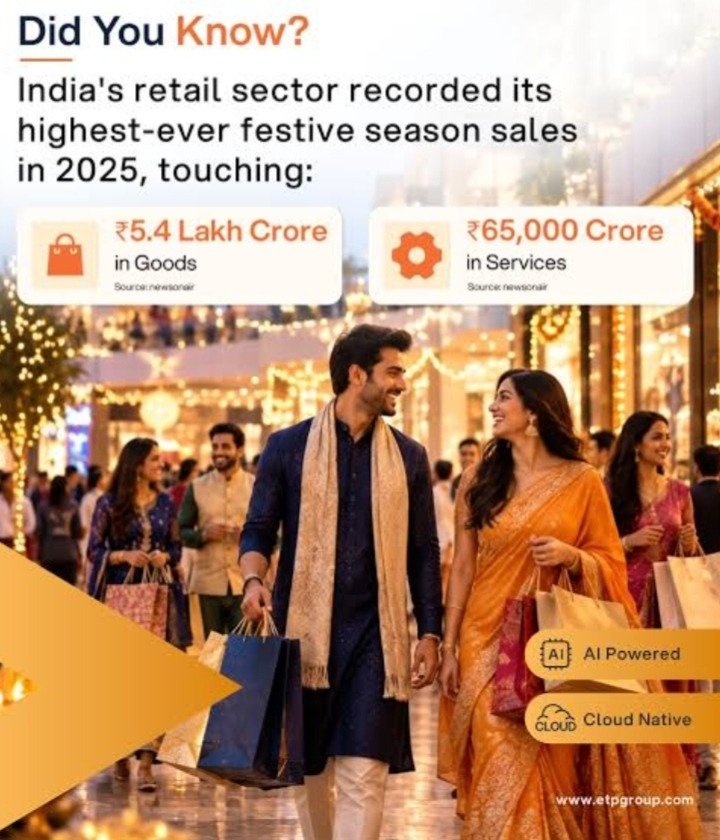
The rapid proliferation of quick commerce platforms offering delivery times under 10 to 20 minutes is actively reshaping festive shopping dynamics. While traditional e-commerce disrupted scheduled bulk buying, quick commerce targets immediate needs, impulse purchases, and last-minute requirements. Driven by hyper-urbanization, busy lifestyle schedules, and higher digital adoption, fast delivery services are no longer just a luxury—they are rapidly becoming a baseline operational standard for urban Indian consumers.
2. The Rise of Quick Commerce in Festive Shopping
Quick commerce has successfully transitioned from an emergency grocery replenishment tool into a primary festive shopping channel. By leveraging dark stores (localized fulfillment centers) placed strategically within high-density urban areas, platforms can maintain optimized inventories tailored precisely to festive demand spikes.
Key factors driving the rapid adoption of quick commerce during festivals include:
- Speed and Convenience: Eliminating the friction of traffic congestion, parking shortages, and long checkout lines during peak holiday rushes.
- Impulse Buying Dynamics: Instant gratification mechanics encourage spontaneous purchases of festive sweets, decorative items, and high-value electronics.
- Last-Minute Gifting: The traditional stress of forgotten gift obligations is mitigated by 10-minute delivery options for premium hampers, gold coins, and consumer tech.
- Expanded Assortment: Quick commerce operators have broadened their catalog beyond daily essentials to include festive apparel, puja essentials, home decor, and premium kitchen appliances.
3. The Resilience of Traditional Retail & Kirana Stores
Despite the rapid scaling of digital platforms, traditional retail networks—comprising neighborhood Kirana stores, local merchant associations, and large-format physical stores—remain central to the festive economic fabric. Traditional commerce retains distinct structural and cultural advantages that digital-only models struggle to replicate completely.
Core strengths supporting traditional retail resilience include:
- Tactile “Touch-and-Feel” Experience: High-involvement festive purchases, such as traditional ethnic wear, jewelry, and major home appliances, rely heavily on physical inspection, trial, and quality verification.
- Entrenched Trust and Relationships: Decades-old credit relationships (udhaar), personal rapport, and community trust make local Kirana stores indispensable to neighborhood households.
- Festive Ambience and Cultural Ritual: In-person festive shopping serves as a major social activity. The visual experience of decorated markets and crowded bazaars remains an integral cultural tradition.
- Aggressive Localized Discounts: Physical retailers leverage direct relationships with distributors to offer competitive bundle deals, direct festive bargaining, and instant cash discounts.
4. Key Comparative Factors
To evaluate performance across both channels during the high-volume festive period, we examine four primary operational parameters:
| Factor | Quick Commerce | Traditional Retail & Kirana |
|---|---|---|
| Speed & Convenience | Hyper-Fast: Deliveries under 10–20 minutes directly to doorstep. Zero transit effort for the user. | Variable: Requires physical travel, navigation through peak crowds, and checkout queues. |
| Product Range & Availability | Curated & High-Velocity: Optimized catalog focused on popular, fast-moving SKUs and packaged goods. | Deep & Specialized: Unrestricted inventory diversity, custom requests, and niche regional products. |
| Pricing & Discounts | Algorithmic Offers: Instant app bank discounts, daily flash deals, and flat delivery-fee waivers. | Flexible Bargaining: Direct merchant negotiation, custom bundle offers, and cash savings. |
| Customer Experience & Trust | Transactional: High convenience with standardized digital service; frictionless return policies on standard goods. | Relational: High emotional engagement, immediate tactile trial, zero delivery delay, and high trust. |
5. Who Wins This Festive Season? The Hybrid Commerce Reality
Rather than a zero-sum outcome where one model completely eliminates the other, market data indicates the emergence of a multi-channel hybrid shopping model. Consumer behavior is segmenting based on urgency, category, and purchase intent rather than exclusive loyalty to a single platform.
Strategic Co-Existence Dynamics:
- Category Segmentation: Planned, high-value purchases (e.g., gold, premium traditional attire, large furniture) continue to heavily favor traditional physical retail environments. Conversely, top-ups, daily festive cooking essentials, minor gifts, and packaged sweets are increasingly captured by quick commerce.
- Omnichannel Adaptation by Kiranas: Forward-looking traditional retailers are adapting by utilizing hyper-local messaging apps (e.g., WhatsApp ordering) and localized phone delivery networks to offer competing speed to their immediate community base.
- Dark Store Regional Expansion: Quick commerce platforms are heavily partnering with regional brands and traditional local manufacturers to supply authentic regional festive goods through digital dark stores.
6. Conclusion
The modern festive shopping environment in India is not defined by the defeat of traditional retail, but by the rapid expansion of overall consumer spending across complimentary channels. Quick commerce has successfully redefined convenience, capturing last-minute gifting, impulse buyers, and high-density urban fulfillment. Concurrently, traditional retail and Kirana stores maintain their dominant position through established customer trust, tactile engagement, and the irreplaceable cultural ritual of physical holiday market shopping.
Ultimately, the true winner of this festive season is the modern consumer, who seamlessly navigates between ultra-fast digital delivery and traditional physical markets depending on immediate needs, personal schedules, and purchase categories.
Understanding consumer shopping behaviour helps businesses adapt to changing customer expectations and retail trends.
7. References
Redseer Strategy Consultants. The Acceleration of Quick Commerce in Metro Markets During Festive Seasons.
Retail Insights Report
Deloitte India. Consumer Signals & Festive Shopping Dynamics in India. Thought Leadership Series.
Federation of Retail Traders Associations (FRTA). Annual Impact Assessment of Digital Commerce on Local Kirana Networks.https://www.deloitte.com/in/en.html
The Omnichannel Consumer: How Digital Fast-Fulfillment Complement Brick-and-Mortar Ecosystems. Global Retailhttps://retail.economictimes.indiatimes.com
Reports:-
Grammerly report
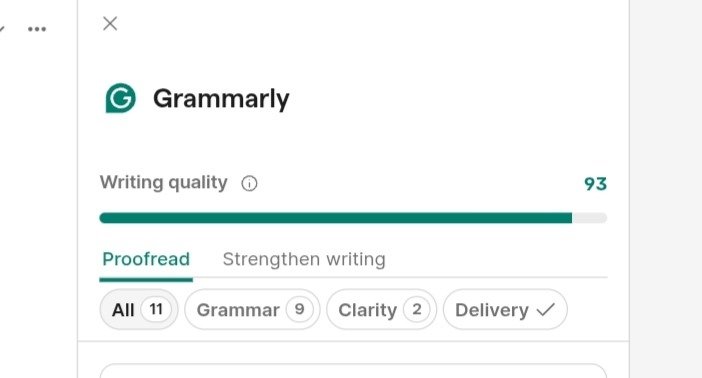
Ai report

Plagiarism report
