
Introduction
ESG ratings help investors evaluate a company’s environmental, social and governance performance, but different providers can assign different scores using their own methodologies.
Environmental, Social, and Governance (ESG) ratings play a crucial role in today’s business world. Stakeholders use the ratings to get insight into the concerns and impact management assigns to ESG factors. However, different companies may have varying ESG scores from different providers.
Therefore, understanding ESG ratings and their differences can help firms increase their ratings and promote responsible investment decisions.
5 Key Reasons Why ESG Ratings Differ Across Providers
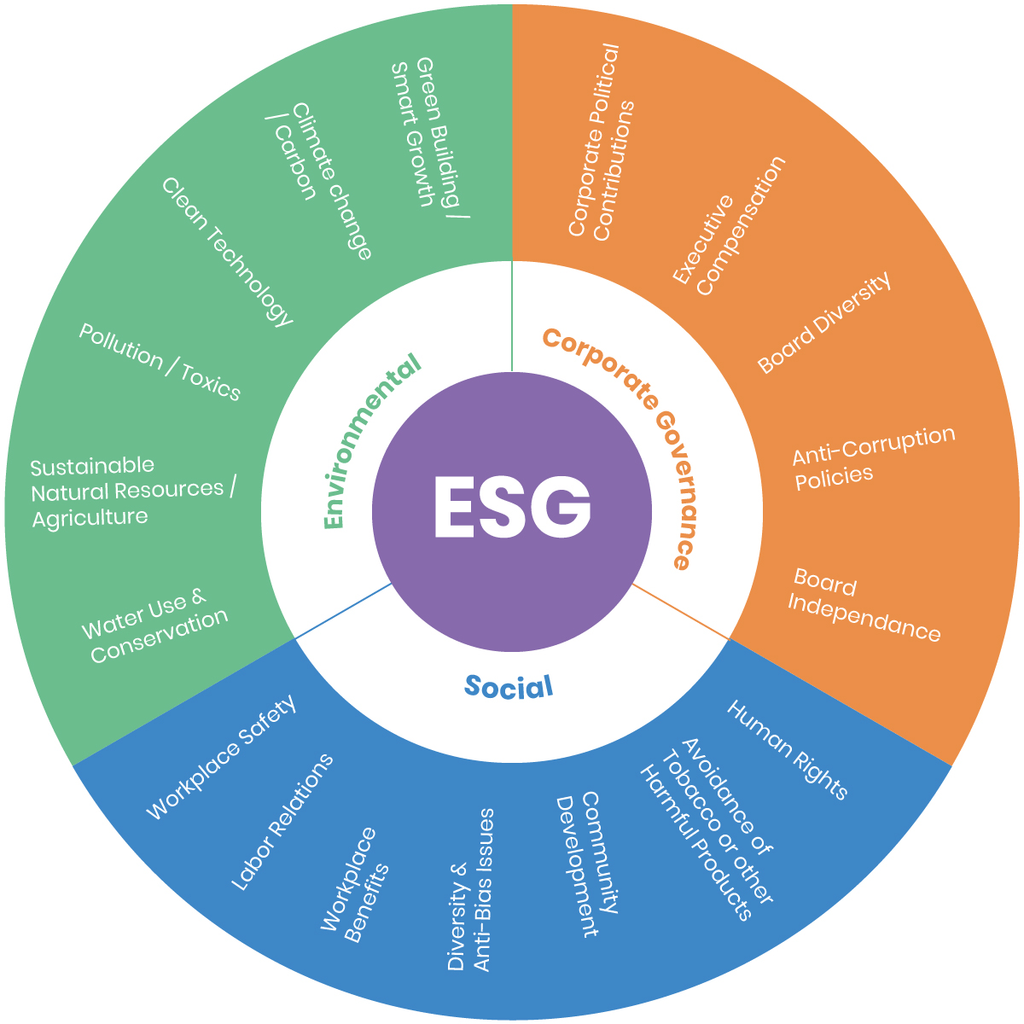
ESG ratings involve environmental, social, and governance aspects of a firm’s performance, risks, and management practices. In short, ESG assesses a company’s management of non-financial factors and integrates them into an economic value model.
The Environmental criterion refers to the impact a company’s operations have on the environment. They range from carbon footprint to community relations. Some examples are energy consumption, waste management, water footprints, and pollution control.
The Social category examines a company’s impact on society, such as labor practices, discrimination issues, community development, and personal rights. Governance covers a firm’s leadership, executive management, decision-making policies, and avoidance of corruption and dishonest behavior. In general, ESG ratings help investors understand how well the company does in addressing ESG-related risks.
Nevertheless, there are different ESG ratings providers using distinct methods of analysis that differ across industries.
Why Do ESG Ratings Differ Across Providers?
1. Different Models and Standards
Every rating provider uses a different algorithm when publishing ESG ratings. For example, some companies assign more significance to assessing environmental and social risks, whereas others focus on economic and governance-related factors. As a result, an investor gets different scores when they compare the same firm in different ESG rating agencies.
2. Diverse Information Sources
All ESG ratings providers use distinct data sources concerning the company’s performance, such as sustainability reports, public data, regulatory documents, and news. The information can be in published reports, videos, articles, and press releases from the given company in question and third-party sources.
When particular data is unavailable, some rating companies might use approximated data instead of the precise figures. Thus, it explains the differences in ESG scores between companies with high levels of disclosure and those without enough information on their sustainability levels.
3. Different Industry Assessment
The ESG ratings vary depending on a firm’s industry. For instance, industrial companies have a higher likelihood of posting low ESG scores due to the negative environmental impact they create. On the other hand, technology-related firms get lower ratings on data security, employee-related issues, and consumer safety.
Therefore, a company’s ESG score depends on the industry in which it operates. The ESG rating providers can use different methodologies when analyzing the business’s performance, depending on the sectors they specialize in.
4. Varying Environmental, Social, and Governance Priorities
Some ESG ratings pay more attention to certain aspects of a firm’s performance than others. For example, one provider might emphasize climate change, whereas another company may focus on governance and social issues like employee labor practices. Thus, even when the firms use similar sources of information to analyze a given company, their final ESG scores differ.
5. Varied Definition of Strong ESG Performance
The final and most frequent reason ESG ratings differ is that various providers might emphasize diverse areas of a firm’s performance. In general, most companies utilize ESG integration to analyze business practices that concern the environment, society, and governance.
However, the ESG ratings define strong performance uniquely to indicate a company’s financial risks. For instance, some analysts might be interested in examining how diverse ESG issues affect the firm’s stock price. In contrast, others might be more focused on studying the impact of a few corporate responsibility issues.
How Can Businesses Respond to Different ESG Ratings?
Companies can respond to the different ESG ratings by improving their disclosures to enhance transparency and boost their ratings among the investors. Some techniques to consider when posting reliable information on the firms’ website or annual report include:
• Using consistent and comparable data concerning the company’s ESG performance;
• Adopting strong ESG reporting metrics to determine the sustainability goals attainment;
• Following standard reporting guidelines;
• Reviewing the ESG rating rationale and improving the firm’s practices;
• And improving the data gathering procedures on the company’s ESG impact.
In general, a company should be concerned with improving its ESG performance using the provided ratings instead of manipulating the results to get higher scores.
The Role of Investors
An investor should compare the ESG scores of different companies using the same ESG ratings providers. It will help them make responsible investment-related decisions. When relying on ESG ratings, it is crucial to comprehend the criteria utilized by a particular analyst and ensure that the score reflects the financial risks of the company at hand.
Conclusion
ESG ratings help stakeholders make appropriate decisions when considering investments in a particular firm. Although diverse providers use distinct models and statistical information when posting ESG scores, the differences show what areas of performance the company examines instead of proving that one score is wrong and another is correct.
Businesses should publish more data for investors to rely on ESG ratings when posting their investment decisions. On the other hand, investors can enhance their investment decisions by comparing the ESG scores of the companies they are interested in and analyzing them against the financial figures.
Businesses can use ESG data management software to improve data accuracy, standardise disclosures and provide more consistent sustainability information to rating providers.
References for further research:
– ESG ratings methodology by MSCI
https://www.sustainalytics.com/morningstar-sustainalytics-ratings-transparency
Submission Reports
- Proofreading Report
- AI Detection Report
- Plagiarism Report