
Background:
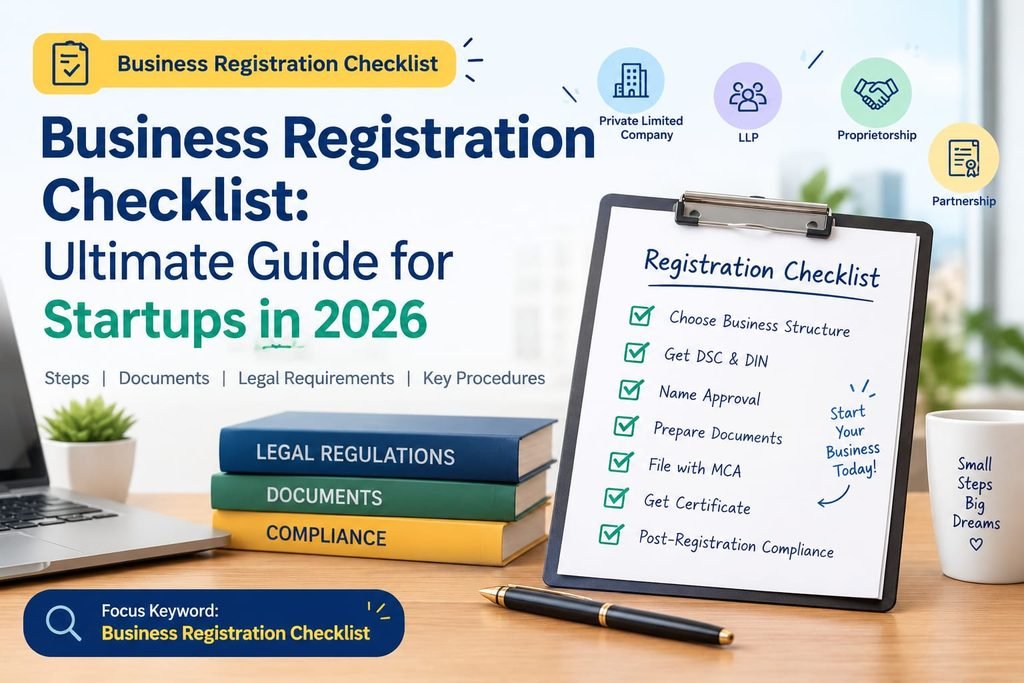
Business Registration Checklist. Among the most crucial milestones for budding entrepreneurs is securing official legal standing through proper corporate structuring. As regulatory frameworks become increasingly digitized, following a complete startup incorporation checklist is no longer just a bureaucratic formality, but a fundamental driver of operational credibility and long-term business security. Yet, founders frequently encounter a common hurdle: struggling to keep pace with dynamic portal requirements, documentation loops, and obtaining necessary licenses permits while trying to build their core product. Understanding how to navigate this setup phase systematically is the exact difference between a compliant enterprise and one that constantly battles regulatory delays and legal bottlenecks. Business Registration Checklist
1. Structure Your Foundation Through Daily Compliance Habits
The foundation of robust regulatory management is consistency—not occasional attention, weekend panic, or scrambling right before registration deadlines. Companies build administrative fluency through repeated, structured engagement with incorporation portals and legal documentation logs in the same way they manage product development. Business Registration Checklist
For modern founders, the daily internal review should involve a dedicated window of focused coordination between co-founders and legal advisors—ensuring every foundational document is correctly prepared with accurate director details and capital structures. Reviewing incorporation filing logs daily, tracking digital signature certificates (DSC), and organizing Director Identification Numbers (DIN) prevent month-end backlogs and drastically reduce setup friction. Business Registration Checklist
2. Focus on Entity Architecture, Not Just Basic Filing
One of the most important shifts an entrepreneur must make is moving from a reactive mindset—asking “how fast can we get our incorporation certificate?”—to a structural approach—analyzing how the business entity is legally set up across liability and compliance frameworks. Authorities increasingly evaluate the logical architecture of startup operations, including shareholder agreements, registered office verifications, and founder equity splits, rather than just matching numerical form totals.
Practising this analytical review during routine paperwork—identifying potential legal classification grey areas early, tracking how memorandum of association clauses apply, and verifying partner registrations—builds the exact operational posture that modern corporate governance requires. Businesses that adopt this habit find that it prevents costly legal disputes and safeguards long-term scalability.
3. Track Filing Metrics and Monitor Setup Timelines
Administrative processing efficiency requires measurement. Without tracking key metrics such as average document approval turnaround time, verification mismatch percentages, and licensing status trackers, a startup has no reliable way to know whether its incorporation process is moving smoothly or heading toward a regulatory query. Timed internal milestones and regular compliance health checks provide the data that makes setup management genuinely proactive rather than reactive. Business Registration Checklist
Processing high volumes of compliance filings and partner agreements requires organized tracking systems to handle data seamlessly. Tracking these metrics and adjusting internal review schedules accordingly converts startup registration from an administrative burden into a streamlined operational workflow.
4. Build Vendor and Partner Compliance Through Real-Time Verification
Legal and secretarial partner management is both a compliance enabler and a direct financial safeguard. Founders frequently respond to documentation delays by withholding professional fees manually at the last minute—a strategy that strains consultant relationships and causes administrative headaches.
A more effective approach is integrating automated verification loops, ensuring that statutory filing statuses and consultant deliverables are checked before finalizing service agreements. Working with verified professionals ensures that your startup incorporation checklist flows smoothly without getting blocked by portal mismatch alerts. Business Registration Checklist.
5. Adapt to Industry-Specific Licensing Requirements
Business Registration Checklist. While general corporate registration builds the baseline framework, targeted attention to sector-specific licenses permits is essential for avoiding operational penalties. Manufacturing startups deal heavily with environmental clearances and factory licenses, fintech firms must navigate complex reserve bank guidelines and data security mandates, and e-commerce businesses face distinct challenges with consumer protection rules and local shop act registrations.
Companies operating across multiple sectors must ensure their internal setup protocols account for these varied regulatory nuances rather than applying a blanket approach. Identifying licensing shifts early during routine planning is far better than facing a sudden departmental shutdown over an overlooked statutory permit.
Conclusion
Business Registration Checklist. Startup registration is not an arbitrary hurdle that some founders handle effortlessly while others struggle. It is a structured discipline built through daily tracking, measured through regular milestone assessments, and streamlined through smart administrative practices that transform regulatory adherence from passive paperwork into active corporate security. The enterprise that commits to systematic reviews every single day, that analyzes entity structures rather than just filing forms, that tracks approval speed honestly, and that manages licensing requirements proactively is building the single most critical business setup skill available.
References
[1] Ministry of Corporate Affairs, “Startup Incorporation and Registration Guidelines,” Government of India, New Delhi, 2026. [Online]. Available: https://www.mca.gov.in/
[2] Department for Promotion of Industry and Internal Trade, “Startup India Compliance and Licensing Framework,” Ministry of Commerce and Industry, New Delhi, 2025. [Online]. Available: https://www.startupindia.gov.in/
[3] Internal link: Add Post ‹ Eve Consultancy — WordPress
Image Source: Unsplash (Free for commercial use under the Unsplash License).
