Executive Summary
Time to IPO 8.5 years signals a changing landscape for Indian startup founders, making early financial discipline, strong corporate governance, and public-market readiness increasingly important.
The Indian startup ecosystem is witnessing a historical shift in venture scaling and market maturity. Over the last decade, tech startups required an average of 13.7 years to mature from initial early-stage equity funding to listing on public stock exchanges. Recent market reports indicate that this timeline has drastically compressed down to 8.5 years. This significant reduction of over 5 years fundamentally changes the operational playbook for founders, investors, and startup boards.
| Metric | Previous Era | Current Landscape | Impact on Founders |
|---|---|---|---|
| Average Time to IPO | ~13.7 Years | ~8.5 Years | Accelerated scaling timeline |
| Primary Capital Source | Late-stage Global VCs | Domestic Public Liquidity & Retail | Early focus on public compliance |
| Core Metric Priority | User Growth / Burn Rate | Unit Economics & Profitability | High financial discipline required |
5 Key Ways the Shorter Time to IPO Changes Founder Planning
Historically, late-stage growth was fueled almost exclusively by global venture capital, allowing startups to delay public filings and public compliance requirements. However, as public markets become increasingly welcoming to high-growth tech firms, the path to an Initial Public Offering (IPO) has become a realistic medium-term goal rather than a distant long-term aspiration. This shift demands that founders align their internal financial controls, corporate reporting, and business models far earlier in the lifecycle.
- Key Drivers Behind the Compressed Timeline
- Surge in Domestic Capital Markets and Retail Liquidity: Indian equity markets have seen unprecedented inflows from domestic institutional investors (DIIs), mutual funds, and retail investors. This has created strong domestic demand for innovative tech companies, providing a reliable alternative to private late-stage VC rounds.
- Prioritization of Unit Economics & Profitability: The global venture market correction shifted investor focus from “growth at all costs” to sustainable unit economics. Public markets reward positive EBITDA and predictable operational cash flows, forcing companies to achieve profitability earlier.
- Proactive Corporate Governance and Compliance: High-growth startups are adopting institutional-grade governance standards early in their lifecycle. By establishing independent boards and appointing experienced chief financial officers, startups significantly reduce the time needed for pre-IPO preparation.
- Strategic Implications for Founder Roadmap & Planning
- Early Financial Prudence & Capital Efficiency: Founders must design revenue models with clear unit-level profitability from Seed and Series A stages, eliminating reliance on continuous cash burn.
- Building a Public-Ready Board Early: Independent board members, specialized audit committees, and experienced risk officers should be onboarded 3 to 4 years prior to filing the Draft Red Herring Prospectus (DRHP).
- Regulatory Transparency & Internal Control: Aligning financial records with SEBI requirements and Indian Accounting Standards (Ind AS) requires seamless financial auditing and historical documentation.
- Founders can align their funding decisions with long-term IPO goals by applying startup fundraising strategies that prioritize capital efficiency, sustainable growth, and financial discipline.
Practical Steps to Prepare for an Earlier IPO
Founders should treat IPO readiness as a continuous process rather than a task that begins just before listing. Startups can establish monthly financial reporting, monitor cash flow, document major business decisions, and conduct regular internal audits. These practices help management identify financial risks early and improve the reliability of information shared with investors. Companies should also track customer acquisition costs, customer retention, gross margins, and operating expenses to understand whether growth is commercially sustainable.
Another important step is preparing the leadership team for public-market expectations. Finance, legal, compliance, and operations teams need clear responsibilities and consistent reporting processes. Founders should review their capital requirements against realistic growth targets and maintain sufficient working capital for unexpected expenses. Regular discussions with the board can help identify governance gaps and determine which improvements should be prioritized before a potential listing. Although an IPO timeline can vary significantly by company and market conditions, early preparation can reduce last-minute pressure and support better strategic decisions.
Conclusion
The reduction of the average time-to-IPO to 8.5 years represents the deep maturity and stability of India’s startup ecosystem. For founders, this opens up faster paths to public liquidity and institutional scaling. Success in this accelerated environment requires a strategic equilibrium between bold growth, disciplined capital management, and instituInc42 Reports
Inc42 / References
- Inc42 / India Tech 9M 2026 Report – Startup Funding & IPO Trends.
- SEBI DRHP Filings & Indian Public Market Liquidity Insights 2026.
India Tech Report: https://inc42.com
SEBI Regulatory Filings: https://www.sebi.gov.in
tional governance from day one.
Reports:-
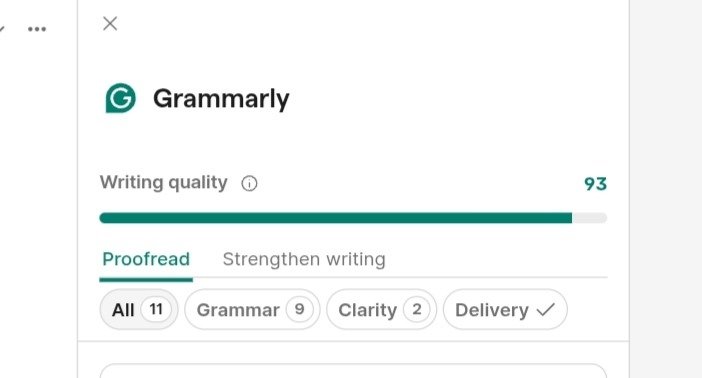
Grammerly report
Ai report

Plagiarism report