1. Introduction: The D2C Revolution in India
Starting a D2C brand gives commerce students practical experience in entrepreneurship, digital marketing, financial planning, and customer relationship management.
The Direct-to-Consumer (D2C) business model has transformed the modern retail ecosystem, allowing brands to eliminate intermediaries, connect directly with customers, and build strong brand loyalty. For commerce students, understanding the mechanics of building a D2C brand provides practical insights into modern entrepreneurship, digital marketing, supply chain management, and financial planning.

From Google
Driven by rising smartphone penetration, affordable high-speed internet, and widespread adoption of digital payments, India has become one of the fastest-growing D2C markets globally. This guide offers a step-by-step framework for commerce students aspiring to launch and scale a successful D2C startup.
2. Starting a D2C Brand: Step-by-Step Guide
Step 1: Identifying Market Gaps & Product Validation
- Niche Selection: Focus on specific consumer pain points in emerging sectors such as organic skincare, sustainable fashion, functional food, or eco-friendly personal care.
- Competitor Analysis: Evaluate market white spaces where traditional brands lag in agility, personalization, or customer engagement.
- Minimum Viable Product (MVP): Test product concept viability with a small batch before committing major capital.
Step 2: Financial Planning & Unit Economics
- Cost Structure Breakdown: Delineate Cost of Goods Sold (COGS), Customer Acquisition Cost (CAC), Customer Lifetime Value (LTV), fulfillment costs, and platform fees.
- Margin Optimization: Aim for gross margins above 60–70% to comfortably absorb digital marketing and shipping overheads.
- Working Capital Management: Maintain strict inventory management to prevent cash lockup in unsold stock.
Understanding small business financial planning helps new entrepreneurs manage costs, cash flow, and investment decisions.
Step 3: Technology Stack & E-Commerce Infrastructure
- Storefront Setup: Build responsive online stores using scalable platforms like Shopify or WooCommerce.
- Payment Gateway Integration: Provide seamless checkout options including UPI, Net Banking, Credit/Debit Cards, and Cash on Delivery (COD).
- Analytics & Tracking: Implement tracking tools to analyze conversion funnels and user behavior.
Step 4: Supply Chain, Logistics & Packaging
- Vendor Sourcing: Partner with reliable contract manufacturers or local suppliers with strict quality control protocols.
- Logistics Integration: Partner with courier aggregators for automated dispatch, real-time tracking, and efficient Cash on Delivery management.
- Unboxing Experience: Invest in eco-friendly, branded packaging that reinforces brand identity and encourages organic social sharing.
Step 5: Performance Marketing & Brand Building
- Content & Social Media: Leverage short-form video content, educational blogs, and influencer partnerships to build trust.
- Paid Acquisition: Run targeted campaigns across social media channels and search engines with a focus on Return on Ad Spend (ROAS).
- Retention Strategy: Utilize email marketing, WhatsApp updates, and loyalty programs to drive repeat purchases and lower overall CAC.
3. Key Challenges & Mitigation Strategies
| Challenge | Impact on Brand | Mitigation Strategy |
|---|---|---|
| High Customer Acquisition Cost (CAC) | Erodes profit margins rapidly | Focus on organic content, community building, and customer retention (LTV) |
| High Return-to-Origin (RTO) on COD | Increased logistics and repackaging costs | Implement automated order verification calls/messages and incentivize prepaid orders |
| Supply Chain Disruptions | Stock-outs leading to poor customer experience | Maintain multi-vendor sourcing strategy and local safety stock |
| Market Saturation | Reduced differentiation and brand recall | Invest in unique brand storytelling, superior product quality, and post-purchase support |
4. Conclusion
Starting a D2C brand is a practical exercise in applying core commerce principles—finance, marketing, logistics, and strategy—to real-world enterprise. While rising acquisition costs and logistical hurdles present ongoing challenges, a well-defined niche, strong unit economics, and customer-centric branding provide a sustainable foundation for long-term growth.
For commerce students, mastering the D2C lifecycle builds essential entrepreneurial capabilities for navigating India’s dynamic digital economy.
5. References
- Inc42 – The State of Indian D2C Ecosystem
- Economic Times Retail – D2C Brands Growth & Trends
- KPMG India – Direct-to-Consumer (D2C) Market Analysis
- Shopify India – D2C Ecommerce Guide & Insights
Reports:-
Grammerly report
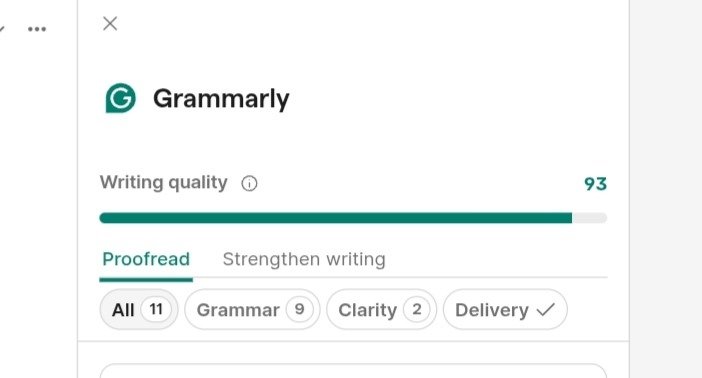
Ai report

Plagiarism report