
7 Powerful Innovations in Smart Biosensors for Next-Generation Healthcare
Published: Jun 22, 2026
Key Highlights
- Smart Biosensors enable a method to monitor one's health continuously and in real-time.
- Smart Biosensors as a wearable device to further assist in the treatment of chronic diseases.
- Integrating with AI has enhanced the accuracy of medical diagnostic procedures.
- The use of Nanotechnology results in enhanced sensitivity and efficiency of the Biosensors.
- The Smart Biosensors are related to certain important concerns of security, like data privacy, stability in the long run, etc.
- The Smart Biosensors are an essential part of the coming days of healthcare systems.
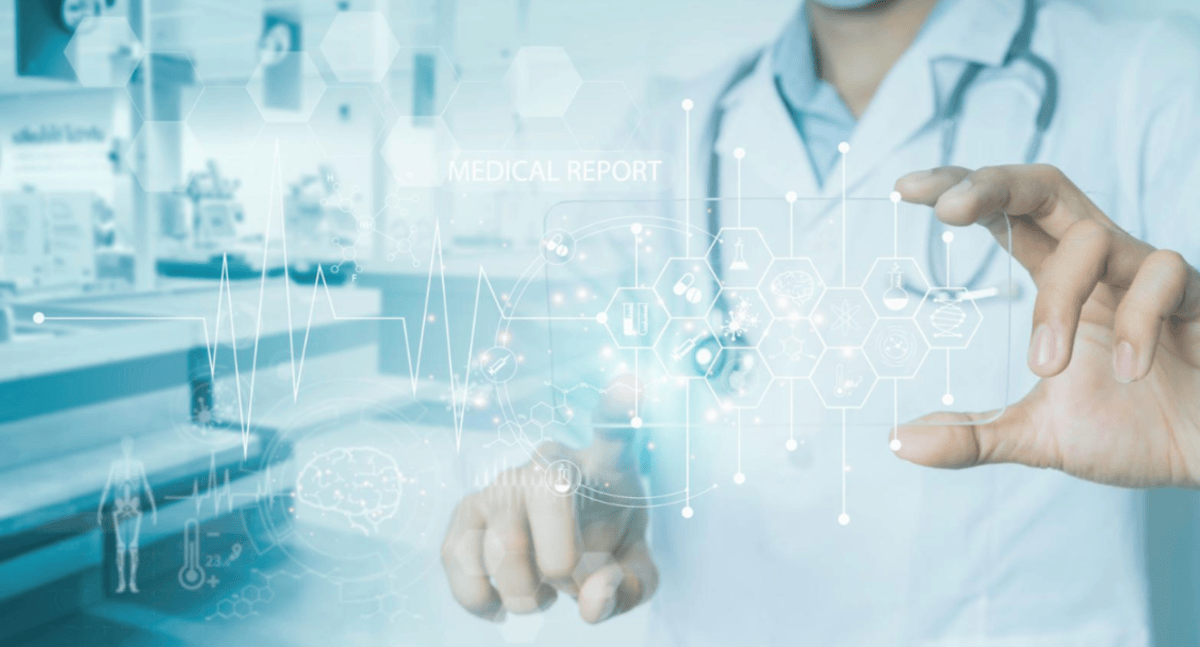
Introduction
The health sector is being dramatically transformed by the development of new, sophisticated digital technologies. Among the key innovations which will revolutionise healthcare are Smart Biosensors. “Smart Biosensors are the intelligent sensors that reframe disease detection, monitoring and management practices in today’s healthcare”. Instead of standard tests with long wait times and lab analysis, Smart Biosensors provide real-time, precise, and customised diagnostics that may improve both how doctors treat patients and the availability of health care for us.
Devices such as wearable glucose monitors and AI-driven cardiac monitor systems demonstrate their potential to significantly improve the quality and accessibility of medical care. “Due to an increase in the rate of demand for remote healthcare services and preventive medicine, smart biosensors are foreseen to make a significant contribution to the future of patient diagnosis and monitoring practices”.
1. The Growing Importance of Smart Biosensors
Smart Biosensors integrate a biological sensor with electronic processing and data analysis capabilities. It can sense biological signals, including heart rate, oxygen saturation, blood glucose levels, and pathogens, and deliver them as digital data. As they allow constant tracking of health trends rather than at single points, smart biosensors are widely used in hospitals. This can help health professionals detect disorders sooner and begin a treatment path earlier. The expansion of telemedicine and the emergence of wearable medical devices are driving their adoption in hospitals and at home.
2. Wearable Biosensors are Revolutionizing Patient Monitoring
Wearable Smart Biosensors are among the most prominent healthcare technologies in recent years. Wearable biosensors, such as smartwatches, biosensor patches and activity tracker bracelets, collect continuous real-time physiological information from a patient. Biosensors are able to collect vitals like heart rate, blood pressure, sleep pattern, concentration of glucose in blood, activity and many more.
Wearable biosensors continuously record and provide continuous health monitoring to patients suffering from long-term illnesses such as heart disease and diabetes, allowing them to keep a tab of their health in the absence of their regular hospital visits. An ideal example of a wearable biosensor in disease management is continuous glucose monitoring, which helps to measure fluctuations in glucose levels continuously and also helps to alert the patient before any critical event occurs.
3.Smart Biosensors are Enhancing Medical Diagnostics
Perhaps the greatest benefit Smart Biosensors can bring to medical diagnostics is increased test speed and accuracy.
Conventional lab-based diagnoses can be difficult in many situations as tests require bulky laboratory equipment, highly trained individuals to analyse and run the tests and are generally time-consuming. However, Smart Biosensors would bring Diagnostics to more remote locations as the sensors are portable and suitable for use at the point of care. Microfluidic biosensors and lab-on-chip diagnostics can test small biological samples, such as blood or saliva, within minutes to identify infection markers, cancer indicators, and cardiac biomarkers. An example of how important quick diagnostic tests, which can be performed outside the laboratory environment, have become during global health crises like COVID-19.
4. Artificial Intelligence is Making Biosensors Smarter
AI is becoming crucial to improving the performance of Smart Biosensors. Analysis using an AI system enables the evaluation of large amounts of biosensor data and the detection of patterns not discernible during ordinary analysis. Examples include AI-enabled cardiac biosensors that can predict heart irregularities and underlying heart disease, and AI-powered glucose sensors that can predict glucose trends and aid diabetics in controlling the disease. The deployment of AI helps in enhancing the accuracy and speed of diagnosis of diseases while reducing human error.
5. Nanotechnology is Expanding Biosensor Capabilities
Nanotechnology is another important technology in developing the next generation of Smart Biosensors. With the introduction of nanomaterials such as carbon nanotubes, graphene, and nanoparticles into biosensors, biosensors are becoming more sensitive and precise. It is now possible to detect very small quantities of biomolecules using these novel nanomaterials. Thus, disease can be detected at a very early stage.
Currently, research on applying nano biosensors for the detection of cancer, infectious diseases, and disorders of the nervous system is very active. They are crucial to the development of future small, micro diagnostic devices.
6. Challenges Limiting Large-Scale Adoption
Smart Biosensors have several limitations, which impede their wide application despite their benefits. One problem is the concern of data privacy and security since these devices transmit medical information through linked systems. Another fact that needs to be taken into account is keeping this data secret and safe. Also, ensuring that the long-term precision and calibration are maintained is a task, because this data from biosensors should remain precise for a long duration, particularly as it is worn on the body and implanted permanently in the body. Lastly, regulatory approval is difficult to obtain because these are diagnostic medical devices which must satisfy both safety and clinical tests.
7. The Future of Smart Biosensors in Healthcare
The future smart biosensors also appear quite promising, given that the healthcare system is moving towards personalized and preventive medicine now. It is also predicted that the biosensors in the future will be very small, fast, and smart. Interfacing them with the world of mobile technologies, cloud storage, and intelligent medical systems will make patient monitoring and medical diagnostics more efficient than ever. Also being developed are multi-analyte biosensors that could analyse many health parameters at a single point, reducing test duration and thus increasing treatment efficacy. As technology further develops, smart biosensors will surely play a vital role in the next generation of healthcare systems.
Conclusion
By providing accurate, quick and personalized medical diagnoses, Smart Biosensors are revolutionizing healthcare as we know it today. Through a variety of technologies from wearables to AI diagnostics, they provide patients and practitioners with accurate readings that can be used to effectively diagnose and treat diseases as well as monitor patients remotely.
Although issues of security and accuracy persist, and regulation standards have been set, progress continues in the area with new findings and applications emerging from areas such as artificial intelligence, nanotechnology and biosensor engineering. In the coming applications in health care, smart biosensors are going to lead the way.
Frequently Asked Questions
What are Smart Biosensors and why are they important in healthcare?
Smart Biosensors are advanced devices that combine biological sensing with digital technologies to monitor health conditions in real time. They help detect diseases early, improve medical diagnostics, and support continuous patient monitoring, making healthcare more accurate and accessible.
How do Smart Biosensors improve patient monitoring?
Smart Biosensors continuously track vital health parameters such as heart rate, blood glucose levels, blood pressure, and oxygen saturation. This real-time monitoring helps patients and healthcare providers identify potential health issues early and manage chronic diseases more effectively.
What is the future of Smart Biosensors in medical diagnostics?
The future of Smart Biosensors includes smaller, faster, and more intelligent devices powered by Artificial Intelligence and nanotechnology. These innovations are expected to enable earlier disease detection, personalized healthcare, remote patient monitoring, and more efficient medical diagnostics.
Statutory Citations & References
[1] D.-K. Vo and K. T. L. Trinh, “Advances in Wearable Biosensors for Healthcare,” Biosensors, 2024. [Online]. Available: https://www.mdpi.com
[2] E. Ghazizadeh et al., “Wearable and Implantable Biosensors in Precision Medicine,” Frontiers in Medicine, 2024. [Online]. Available: https://www.frontiersin.org
[3] C. Kim et al., “Advancements in Nanobiosensor Technologies for In-Vitro Diagnostics,” Heliyon, 2024. [Online]. Available: https://www.sciencedirect.com
[4] T. Lehnert and M. A. M. Gijs, “Microfluidic Systems for Infectious Disease Diagnostics,” Lab on a Chip, 2024. [Online]. Available: https://pubs.rsc.org
[5] U.S. Food and Drug Administration (FDA), “Artificial Intelligence in Medical Devices,” FDA Digital Health Center, 2025. [Online]. Available: https://www.fda.gov
Simplify your Business
Eve Consultancy is your trusted partner for end-to-end compliance services, including Company Incorporation, GST Registration, Income Tax Filing, MSME Registration, and more. With a quick and hassle-free process, expert guidance, and affordable pricing, we help businesses stay compliant while they focus on growth. Backed by experienced professionals, we ensure smooth handling of all your legal and financial requirements. WhatsApp us today at +91 9711469884 to get started.
Maximize Your Business Potential
Looking for a partner to advise on GST, ITR, Business Registration, or Financial Strategy? Our experts ensure your compliance is seamless and your solutions are optimized.
Book a Strategy ConsultationEve Finance: Your Daily Financial Eve-olution!
Finance made simple, fast, and fun! 🏦💡 Sign up for your daily dose of financial insights delivered in plain English. In just 5 minutes, you’ll be smarter and better!