
GST & Taxation
👁 10 READS
How Local-Currency Settlements Could Change the Cost of International Trade
Published: Oct 10, 2026
Key Highlights
- Reduced Conversion Costs: Local currency trade can reduce currency-conversion charges and simplify cross-border transactions.
- Regulatory Compliance: Businesses must follow the banking regulations, foreign-exchange rules, and payment requirements of participating countries.
- Exchange-Rate Risks: Local currency trade does not eliminate currency fluctuations, so businesses must manage their foreign-exchange exposure.
- Cross-Border Payment Systems: Compatible and reliable payment infrastructure is essential for secure and efficient international transactions.
- BRICS Cooperation: Greater cooperation among BRICS countries can support local currency settlements and strengthen regional trade.
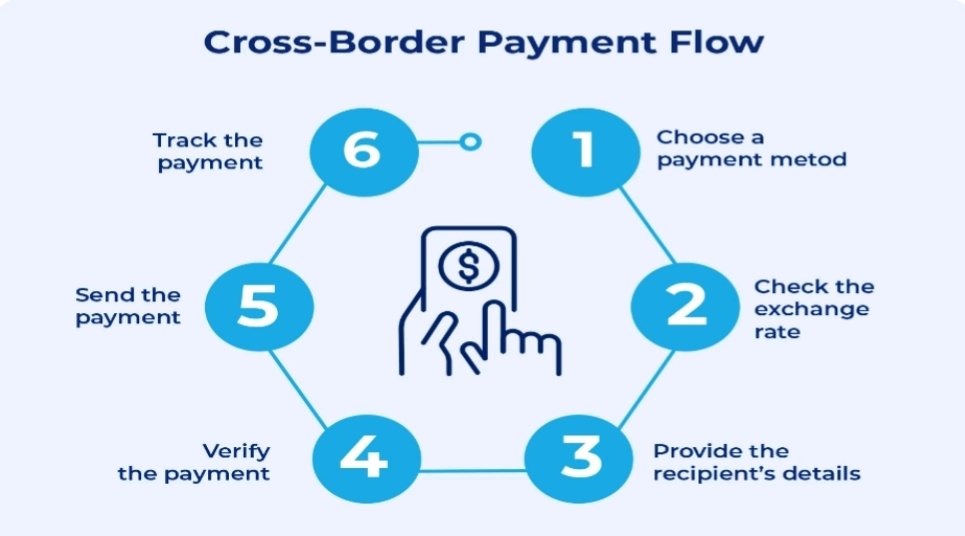
Ⅰ. Introduction
International trade involves businesses, banks, and payment systems in different countries. When two countries use different currencies then businesses required to convert money before completing the whole procedure of payment. This can increase costs and expose companies to exchange-rate changes.
Local currency trade offers another approach. Under this system, exporters and importers can settle their payments with the use of their domestic currencies. BRICS countries are discussing ways to improve local-currency settlements and cross-border payment links.
Ⅱ. Local Currency Settlements Reduce Costs
Using local currencies can able to reduce the need of repeat currency conversion. This can we a lower exchange charges and make payment process simple and easier.
For example, an Indian company buying goods from another BRICS country may be able to make or receive payment using agreed local currencies. This can reduce dependence on an intermediate currency in some transactions.
However, the final cost will be totally depended on exchange rates, bank fees, payment systems, and the availability of currency markets.
Ⅲ. Impact on International Finance
Local-currency settlement can also change that how businesses manage their financial risk. Companies required less need to convert every payment into international currency, but they still face exchange-rate risk when the currencies involved change in value. Change the value of rupees will impact the overall value of the currency.
Good payment infrastructure is also important. The BIS notes that foreign-exchange settlement can create financial and liquidity risks, while better settlement systems can reduce these risks.
Ⅳ. BRICS And The Current Trend
BRICS members are focusing on making international payments easier and supporting heavy use of local currencies in trade. Recent BRICS discussions have also highlighted payment-system interoperability and local-currency financing.
This does not mean that local currencies will immediately replace major international currencies. but it may give businesses more options for settling international transactions. To carry on their business transaction to the international companies.
Ⅴ. Benefits and Challenges
Possible Benefits:
Lower currency-conversion costs are required.
More payment choices are for transaction.
Less dependence on a third currency
Easier regional trade and the international trade.
Possible Challenges:
Exchange-rate fluctuations will be possible.
Different banking regulations and system are required.
Limited liquidity in some currencies available.
Payment-system compatibility will be founded.
Ⅵ. Conclusion
Local-currency settlements will be able to change the cost of international trade by reducing some conversion and payment costs. They also give businesses more choices in cross-border transactions. However, the benefits will depend on reliable payment systems, stable markets, and good financial cooperation between countries from which the transaction will be held. The growth of local currency trade is therefore an important development in international finance
Key Regulatory Takeaways-
Reduced Conversion Costs: Local currency trade can reduce currency-conversion charges and simplify cross-border transactions.
Regulatory Compliance: Businesses must follow the banking regulations, foreign-exchange rules, and payment requirements of participating countries.
Exchange-Rate Risks: Local currency trade does not eliminate currency fluctuations, so businesses must manage their foreign-exchange exposure.
Cross-Border Payment Systems: Compatible and reliable payment infrastructure is essential for secure and efficient international transactions.
BRICS Cooperation: Greater cooperation among BRICS countries can support local currency settlements and strengthen regional trade.
FAQs
What is local currency trade?
Local currency trade allows businesses in different countries to settle international transactions using their domestic currencies instead of relying on a third currency.
How does local currency trade reduce transaction costs?
Local currency trade can reduce currency-conversion charges, simplify payment processes, and decrease dependence on intermediate currencies in certain transactions.
Statutory Citations & References
Share this Insight
Maximize Your Business Potential
Looking for a partner to advise on GST, ITR, Business Registration, or Financial Strategy? Our experts ensure your compliance is seamless and your solutions are optimized.
Book a Strategy ConsultationEve Finance: Your Daily Financial Eve-olution!
Finance made simple, fast, and fun! 🏦💡 Sign up for your daily dose of financial insights delivered in plain English. In just 5 minutes, you’ll be smarter and better!