
What China’s exit from Gwadar means for India’s naval strategy?
Published: Jul 16, 2026
Key Highlights
- Gwadar is important, but its significance may vary according to changing dynamics.
- A China withdrawal may create a temporary power shift in the Indian Ocean but is unlikely to end the rivalry.
- India's maritime response will be shaped by its efforts to strengthen its naval capabilities and partnerships.
- Gwadar has a strategic role beyond purely commercial usage.
- The IOR rivalry will continue with shifting trends.
Key Regulatory Highlights
Introduction
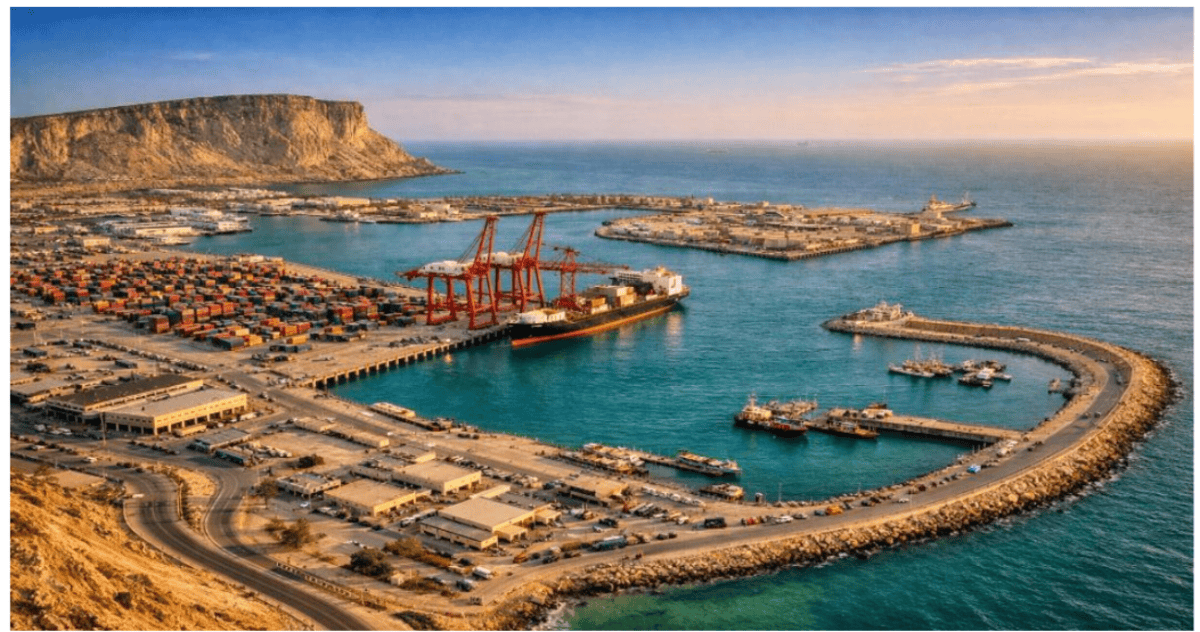
The Indian Ocean Region is one of the most strategic hotspots for rivalry in the 21st century. At the heart of this competition is Gwadar Port of Pakistan, which has been established using massive Chinese investment through the BRI (Belt and Road Initiative). Due to its location and proximity to the Strait of Hormuz, it provides access to one of the busiest energy routes. Thus, a change in China’s operational role in Gwadar opens up possibilities for power transition in the region and a corresponding impact on the Indian Ocean rivalry and India’s maritime strategy.
Gwadar’s Importance in Regional Competition
Gwadar port holds an immense geostrategic significance as it is located close to major shipping lanes used by a major part of the global oil supply and represents a gateway into the Arabian Sea for China. Its use reduces China’s dependency on the Malacca Strait and boosts its western maritime reach. Furthermore, since Gwadar also has a dual purpose, civilian and naval, it has always raised concerns in India of strategic encirclement in its immediate vicinity, which can be called China’s “String of Pearls” policy.
Reasons for China’s Withdrawal from Gwadar
There are several factors that can lead to China reviewing its commitment:
1. Security concerns in Balochistan and a few attacks on its infrastructure.
2. The commercial viability of the port hasn’t met its expectations in terms of trade volumes.
3. Concerns over China’s BRI debt and debt sustainability.
4. The shift in global geopolitical priorities away from the Indian Ocean towards increasing concerns over the Indo-Pacific rivalry.
5. It is expected that China’s scaled-down presence will be a recalibration of its commitments rather than a complete withdrawal.
Implications for the Indian Ocean Rivalry
China’s exit/reduced involvement from Gwadar could be seen as an easing of pressure on India’s western flank, which forms a major part of the Indian Ocean rivalry. India Ocean rivalry is largely dominated by the race between India and China, both in terms of naval expansion and port access, as well as influence in the various littoral states. A reduced role in Gwadar would lead to:
1. Limited logistics reach in the Arabian Sea for China.
2. The ability for an extended naval presence near India’s coast would be constrained.
3. Greater manoeuvrability for India’s naval fleet in this region.
However, the rivalry would persist with China’s strategic presence in Djibouti and Hambantota ports.
India’s Maritime Response
India is expected to take these developments cautiously. Instead of backing down, the nation would:
1. Intensify its surveillance of the Indian Ocean maritime domain.
2. Bolster its naval bases in Karwar, Andaman & Nicobar Command, etc.
3. Collaborate more closely with France, Oman, and the UAE, among others.
4. Participate more aggressively in QUAD forums.
India’s long-term strategy remains focused on ensuring its maritime dominance in the immediate region while securing the sea lanes of communication.
Strategic Partnerships: The Indian Ocean Equation
Growing defence and maritime partnerships between India and several regional and external players would play a pivotal role in determining future trends in the Indian Ocean. Joint military exercises, logistics sharing agreements, and enhanced intelligence sharing will aid in counterbalancing external influence. Regional countries will also reassess their alignment strategies.
Geopolitical Fallout
This shift could lead to Pakistan’s economic ambitions taking a hit along with its aspirations for regional integration. It may also signal caution for other countries in terms of large-scale infrastructure investments dependent on a single global power. It’s an opportunity for India to bolster its economic diplomacy and strategic engagements.
Conclusion
The potential reduction in China’s presence in Gwadar is likely to bring about a temporary power shift in the Indian Ocean. However, this will not dilute the long-term rivalry in the IOR, and India will have to continuously adapt and develop its maritime strategy.
Frequently Asked Questions
What is the Indian Ocean Rivalry, and why is it important?
The Indian Ocean Rivalry refers to the strategic competition among major powers, particularly India and China, for influence over key sea routes, ports, and maritime security in the Indian Ocean Region. It is important because the region carries a significant share of global trade and energy supplies.
How does Gwadar Port influence the Indian Ocean Rivalry?
Gwadar Port plays a significant role in the Indian Ocean Rivalry by providing China with strategic access to the Arabian Sea and reducing its reliance on the Malacca Strait. Its location also impacts India’s maritime security and regional strategic planning.
How could China’s reduced presence in Gwadar affect the Indian Ocean Rivalry?
A reduced Chinese presence in Gwadar could temporarily shift the balance of the Indian Ocean Rivalry by limiting China’s logistical reach in the Arabian Sea. However, competition is expected to continue through China’s other regional ports and naval facilities.
What role does India play in the Indian Ocean Rivalry?
India is a key player in the Indian Ocean Rivalry, focusing on strengthening its naval capabilities, expanding maritime partnerships, protecting sea lanes of communication, and enhancing regional security through initiatives such as the QUAD and increased naval deployments.
What is the future of the Indian Ocean Rivalry?
The Indian Ocean Rivalry is expected to remain a defining feature of regional geopolitics as countries invest in naval modernization, strategic infrastructure, and international partnerships. Emerging technologies, maritime trade, and geopolitical developments will continue to shape the rivalry in the coming decades.
Statutory Citations & References
[1] Ministry of Defence, Government of India, Maritime Security Strategy Report, New Delhi, India, 2023.
[2] Institute for Defence Studies and Analyses, Indian Ocean Strategic Dynamics, New Delhi, India, 2022.
[3] World Bank, Belt and Road Initiative Economic Impact Report, Washington, D.C., United States, 2023.
Simplify your Business
Eve Consultancy is your trusted partner for end-to-end compliance services, including Company Incorporation, GST Registration, Income Tax Filing, MSME Registration, and more. With a quick and hassle-free process, expert guidance, and affordable pricing, we help businesses stay compliant while they focus on growth. Backed by experienced professionals, we ensure smooth handling of all your legal and financial requirements. WhatsApp us today at +91 9711469884 to get started.
Maximize Your Business Potential
Looking for a partner to advise on GST, ITR, Business Registration, or Financial Strategy? Our experts ensure your compliance is seamless and your solutions are optimized.
Book a Strategy ConsultationEve Finance: Your Daily Financial Eve-olution!
Finance made simple, fast, and fun! 🏦💡 Sign up for your daily dose of financial insights delivered in plain English. In just 5 minutes, you’ll be smarter and better!