
Gamification in Recruitment 2.0: The Future of Hiring!
Gamification is revolutionizing the way companies recruit, engage, and evaluate potential employees. The traditional hiring process—resumes, forms, and interviews—often feels monotonous and disconnected from real skills. However, by introducing gamification into recruitment, organizations are transforming this experience into something exciting, interactive, and far more effective. Gamification turns the application process into a dynamic game-like journey that not only attracts candidates but also helps employers identify true talent through performance, not just paper qualifications.
Understanding Gamification and Its Role in Recruitment
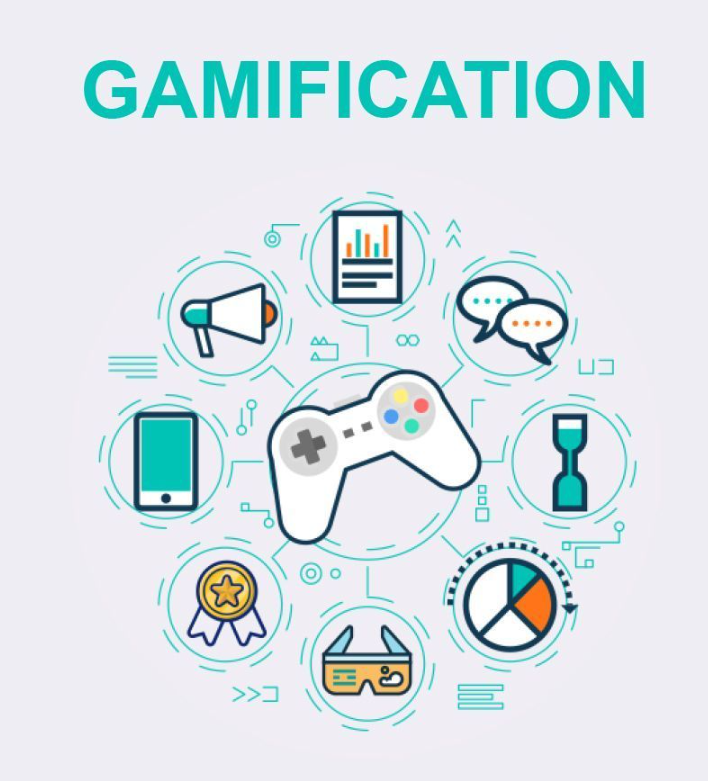
Gamification refers to the application of game mechanics—such as points, badges, leaderboards, levels, and rewards—in non-gaming contexts to drive motivation and engagement. In recruitment, gamification means redesigning the hiring process to make it more interactive and skill-based. Instead of submitting a resume and waiting for an interview, candidates might face real-world challenges, online simulations, or creative problem-solving games that reflect the actual tasks they would perform on the job.
For example, a marketing agency might design a gamified challenge where candidates create mock campaigns and earn points for creativity, analytics, and strategy. Similarly, tech firms can gamify coding assessments by letting candidates solve progressively complex problems as they “level up.” Such approaches make hiring fun, engaging, and measurable—benefiting both candidates and employers.
Gamification in Job Applications
When used in job applications, gamification replaces traditional assessment forms with interactive, task-based modules. Candidates might participate in quizzes, simulations, or mini-games that replicate real job scenarios. Each challenge tests relevant skills like problem-solving, creativity, teamwork, or technical expertise.
This allows employers to evaluate how candidates perform under realistic conditions rather than relying solely on resumes or academic backgrounds. A resume might say someone is “great at teamwork,” but a gamified scenario can actually prove it. Through leaderboards and instant feedback, applicants can track their progress, stay motivated, and even enjoy healthy competition.
How Gamification Enhances Candidate Engagement
One of the biggest benefits of gamification in hiring is increased candidate engagement. Traditional recruitment processes often feel lengthy and uninspiring, leading to high dropout rates. But gamification changes this dynamic completely. When candidates earn points, unlock levels, and receive feedback after each stage, they feel a sense of accomplishment that keeps them motivated to continue.
Younger, tech-savvy job seekers—especially Millennials and Gen Z—respond particularly well to interactive, digital experiences. Gamified recruitment speaks their language. It makes companies appear innovative, approachable, and future-ready. As a result, candidates not only complete the application process but also form a positive impression of the company’s culture and brand.
Real-World Success: Companies Using Gamification in Recruitment
Many global companies have already adopted gamification to strengthen their hiring process. For instance, Unilever integrates online games to test problem-solving, adaptability, and learning agility. The data gathered helps HR teams go beyond educational qualifications and assess true potential. Deloitte uses gamified simulations for leadership assessments, while PwC introduced an interactive game called “Multipoly” to attract graduates.
These examples show that gamification isn’t just a creative concept—it’s a proven strategy. It reduces bias by focusing on skills and performance rather than personal identifiers like name, gender, or background. It also helps recruiters quickly identify candidates with the right competencies, saving time and improving hiring accuracy.
Gamification in Reducing Hiring Bias
Traditional hiring processes can unintentionally favor certain profiles based on education or experience. Gamification helps minimize these biases. When designed well, gamified assessments evaluate candidates purely on their ability to perform tasks or solve challenges. This merit-based approach ensures fairer, more inclusive hiring decisions.
For example, when an applicant completes a game-based task successfully, their score reflects real performance—not subjective interpretation. Recruiters can analyze data-driven results, ensuring every candidate gets an equal opportunity to shine.
The Future of Gamification in Recruitment
The future of gamification in recruitment looks promising as technology continues to evolve. Artificial Intelligence (AI) and machine learning are enhancing the precision of gamified systems. Soon, these platforms will offer personalized challenges that adapt in real-time to a candidate’s performance level.
Data analytics will play a major role, allowing recruiters to understand not just what a candidate achieved but how they approached each challenge—offering deeper insight into personality traits like persistence, creativity, and adaptability. This integration of gamification, AI, and analytics will redefine how organizations identify, engage, and retain top talent.
Benefits of Gamification for Employers and Candidates
Employers benefit from gamification by streamlining recruitment, reducing bias, and improving candidate quality. They gain insights into real skills while enhancing their employer branding as innovative and people-first organizations.
For candidates, gamification transforms hiring into a rewarding experience. Instead of feeling judged or nervous, they feel motivated and confident. They get instant feedback, understand their strengths, and can demonstrate their abilities in real-world contexts. This two-way engagement makes the process more transparent and satisfying for everyone involved.
Conclusion
Gamification is not a passing HR trend—it’s a transformative force shaping the future of recruitment. By turning traditional hiring into an interactive and enjoyable experience, organizations can attract better talent, evaluate skills more accurately, and promote fairness in decision-making. As companies continue to innovate, gamification will become the bridge between technology, engagement, and human potential—making recruitment smarter, faster, and more human than ever before.
FAQs
1. What is gamification in recruitment?
Gamification in recruitment means using game-like features such as levels, points, or challenges to make hiring more interactive and skill-focused.
2. How does gamification improve the hiring process?
It increases candidate engagement, reduces bias, and allows employers to assess practical skills through interactive tasks rather than traditional tests.
3. Which companies use gamified recruitment?
Top organizations like Unilever, PwC, and Deloitte use gamified assessments to evaluate skills like problem-solving, adaptability, and teamwork.
4. What are the benefits for candidates?
Candidates experience a fun, less stressful process where they can showcase their real abilities instead of relying only on resumes or interviews.
5. Is gamification the future of hiring?
Yes, with advancements in AI and analytics, gamification is shaping the future of recruitment by creating more engaging and fair evaluation systems.
References
[1] C. M. Collmus, T. J. Landers, and J. S. Armstrong, “Understanding applicants’ reactions to gamified recruitment,” Journal of Business Research, vol. 110, pp. 41–50, Mar. 2020. [Online]. Available: https://doi.org/10.1016/j.jbusres.2019.12.041
[2] HR Play, “Gamification in recruitment: case studies in recruitment gamification,” HR Play, 2024. [Online]. Available: https://www.hrplay.com/blog/gamification-in-recruitment-case-studies-in-recruitment-gamification
[3] Toggl Hire, “How to Use Gamification in Recruiting,” Toggl, 2024. [Online]. Available: https://toggl.com/blog/gamification-in-recruiting
[4] PsicoSmart, “Incorporating Gamification in Recruitment and Selection Processes,” PsicoSmart, 2024. [Online]. Available: https://psicosmart.net/blogs/blog-incorporating-gamification-in-recruitment-and-selection-processes-10036
[5] D. Porto, G. Jesus, F. Ferrari, and S. Fabbri, “Initiatives and challenges of using gamification in software engineering: A systematic mapping,” arXiv, Nov. 2020. [Online]. Available: https://arxiv.org/abs/2011.07115
[6] S. Tonhão, M. Shigenaga, J. Herculani et al., “Gamification in software engineering education: a tertiary study,” arXiv, May 2024. [Online]. Available: https://arxiv.org/abs/2405.05209
Penned by Akshat
Edited by Reeya Kumari, Research Analyst
For any feedback mail us at info@eveconsultancy.in
Finance made simple, fast, and fun! 🏦💡 Sign up for your daily dose of financial insights delivered in plain English. In just 5 minutes, you’ll be smarter already!
Simplify Your Business Compliance with Eve Consultancy
Eve Consultancy is your trusted partner for end-to-end compliance services, including Company Incorporation, GST Registration, Income Tax Filing, MSME Registration, and more. With a quick and hassle-free process, expert guidance, and affordable pricing, we help businesses stay compliant while they focus on growth. Backed by experienced professionals, we ensure smooth handling of all your legal and financial requirements. WhatsApp us today at +91 9711469884 to get started.