
Introduction: The Rise of ESG & the Risk of Greenwashing
Corporate ESG Reporting Today
ESG reporting is one of the most powerful means of demonstrating the commitment of business to corporate responsibility and a sustainable and ethical way of operating in the current corporate landscape. However, with the growing demand for sustainable investments, a concerning issue is also on the rise — greenwashing. This term refers to the practice of falsely convincing customers or stakeholders that a company or its products are environmentally responsible. It’s more than just dishonest — it’s a form of sustainability fraud.
What is Greenwashing in ESG Reporting?
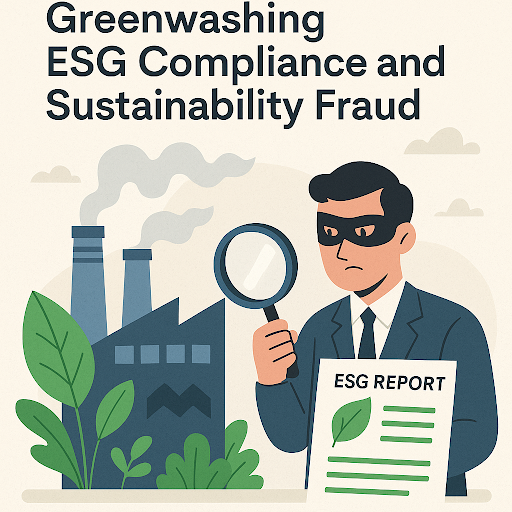
Greenwashing is when businesses release deceptive or inaccurate information that claims they are greener than they actually are. An example of this would be a business highlighting a minor green program within their report while hiding the fact that its main business is actually bad for the environment. This tricks investors, consumers, and regulators.
On the issue of greenwashing in ESG reporting, companies can submit ESG reports chock-full of buzzwords and optimistic metrics with no actual substance to support those assertions. This erodes trust and dilutes the intent of ESG reporting to enhance transparency and accountability.
Real-World Examples of Sustainability Fraud
Many prominent businesses have come under fire for their greenwashing practices. Take, for example, one oil titan that faced criticism for promoting its dedication to renewable energy, despite a whopping 95% of its operations still being about fossil fuels.
A fashion brand that became Well-known for its eco-friendly clothing line was later revealed for using items that were far from safe for nature — and on a large scale. These kinds of cases show how greenwashing not only damages the environment but can also lead to financial losses, break trust of investors, and create negative public opinion.
How to Avoid Greenwashing in ESG Reporting

1. Use Reliable Data: Support your ESG statements with clear, real facts. Avoid using common words like “eco-friendly” or “green” unless they are supported by solid evidence. Investors are looking for honest evidence of your environmental and social efforts.
2.Be Transparent: Be honest about your sustainability journey. If your company is just starting out, be honest. Be open about your goals, where you currently stand, and how you plan to improve over time.
3.Follow Recognized Standards: Use reliable ESG rules like GRI, SASB, or TCFD to make your reports clear and honest. These systems help ensure your ESG reporting meets needed rules.
4.Get Independent Reviews: Bring in third-party reviewers to check and ensure if it’s right of your ESG reports. Independent proof builds trust and avoids exaggeration.
5.Include Key Stakeholders: work with your customers, investors, and employees in your ESG goals and eco-friendly actions.
Consequences of Greenwashing
Greenwashing is not just an ethical and legal matter. The global regulatory community is taking strong action against fraudulent sustainability claims. If caught greenwashing, businesses could face:
– Fines imposed by regulators
– Lawsuits
– Withdrawal by investors
– Chronic harm to a brand
Greenwashing makes people involved question every eco-friendly promise, even the real ones, reducing faith in real ESG efforts.
The Path Forward: Honesty Is Sustainability
Performance theatre must give way to performance reality if businesses want to combat greenwashing. A company’s genuine efforts to build a sustainable and moral future should be reflected in ESG reporting, not just branding.
Investors and consumers have never been better informed. In addition to purchasing goods and stocks, people are also investing in values.
Building enduring trust is more important than simply avoiding sustainability fraud.
Conclusion
Greenwashing might grab attention briefly, but long-term trust depends on being honest and clear in ESG actions. Companies that stay honest and truly try to get better will become the example for a real long-term, eco-friendly future.
Reference Links
[1] | F. a. F. L. R. Bernini, Corporate Governance-Based Prevention Strategies Against Greenwashing: A Conceptual Framework, Switzerland: Cham: Springer Nature Switzerland. |
[2] | I. J. o. S. a. S. P. a. r. overview., International journal of sociology and social policy, Bamel N, Kumar S, Bamel U, Gaur V, 2023. |
FAQ’S
Q1. What is ESG reporting and why is it important?
ESG reporting is the disclosure of a company’s environmental, social, and governance practices. It is important because it helps investors, regulators, and stakeholders assess sustainability performance and long-term credibility.
Q2. What does “staying honest” in ESG reporting mean?
Staying honest in ESG reporting means presenting accurate, verified data without exaggeration or omission. It builds trust with stakeholders and reduces the risk of regulatory penalties.
Q3. Why do companies sometimes misrepresent ESG data?
Some companies misrepresent ESG data to appear more sustainable or socially responsible than they are. This is often due to pressure from investors or competitive markets.
Q4. How can businesses expose the truth in ESG reporting?
Businesses can expose the truth in ESG reporting by adopting transparent disclosure practices, verifying data through audits, and ensuring compliance with recognized frameworks.
Q5. What are common challenges in honest ESG reporting?
Challenges include limited data availability, lack of standardized frameworks, pressure to meet investor expectations, and difficulty in measuring social impact accurately.
Q6. What is greenwashing in ESG reporting?
Greenwashing occurs when companies exaggerate or falsify ESG achievements. This practice misleads stakeholders and damages long-term trust in the organization.
Q7. How can companies avoid greenwashing in ESG disclosures?
Companies can avoid greenwashing in ESG disclosures by sharing factual, verifiable data, using global reporting standards, and avoiding vague or misleading sustainability claims.
Q8. What role does transparency play in ESG reporting?
Transparency ensures ESG reports are clear, understandable, and backed by evidence. It prevents misinformation and strengthens the credibility of sustainability claims.
Q9. What are the consequences of dishonest ESG reporting?
Consequences include reputational damage, regulatory fines, loss of investor confidence, and weakened customer loyalty, which can affect long-term business growth.
Q10. How can stakeholders identify truthful ESG reports?
Stakeholders can identify truthful ESG reports by looking for third-party verification, consistent data over time, and compliance with recognized standards like GRI or SASB.
Q11. Which frameworks guide honest ESG reporting?
Common frameworks include the Global Reporting Initiative (GRI), Sustainability Accounting Standards Board (SASB), and Task Force on Climate-related Financial Disclosures (TCFD).
Q12. What are the best practices for ethical ESG disclosures?
Best practices include data verification, clear communication, use of reliable metrics, stakeholder engagement, and alignment with international reporting guidelines.
Q13. How can technology improve ESG transparency?
Technology helps in automating ESG data collection, reducing errors, and providing real-time insights that make disclosures more reliable and transparent.
Q14. Why is third-party ESG audit important?
A third-party ESG audit adds credibility by independently verifying company claims, ensuring that reported data is accurate and free from bias.
Q15. How can small businesses stay honest in ESG reporting?
Small businesses can stay honest by starting with simple metrics, tracking progress consistently, and focusing on achievable ESG goals rather than overstating achievements.
Q16. What are examples of dishonest ESG practices?
Examples include overstating carbon reductions, hiding workplace safety issues, and exaggerating community impact without measurable proof.
Q17. How do regulators check for ESG honesty?
Regulators review ESG reports against disclosure laws, industry standards, and independent audits to ensure accuracy and prevent misleading claims.
Q18. How can investors benefit from honest ESG reports?
Honest ESG reports give investors accurate insights into a company’s sustainability risks and opportunities, helping them make informed decisions.
Q19. What role do employees play in ESG truthfulness?
Employees contribute to ESG truthfulness by reporting accurate data, following compliance policies, and promoting a culture of integrity within the organization.
Q20. How can companies ensure data accuracy in ESG reporting?
Companies can ensure accuracy by using verified data sources, implementing monitoring systems, and involving cross-functional teams in ESG reporting.
Q21. What are the long-term benefits of honest ESG reporting?
Long-term benefits include stronger brand reputation, improved investor relations, better risk management, and enhanced trust among customers and employees.
Q22. How can ESG reporting build stakeholder trust?
Consistent, honest ESG reporting builds stakeholder trust by showing accountability, transparency, and commitment to long-term sustainability goals.
Q23. Why is accountability critical in ESG reporting?
Accountability ensures companies take responsibility for their ESG claims, making stakeholders more confident in their commitment to ethical business practices.
Q24. What steps should companies take if past ESG reports were misleading?
Companies should acknowledge errors, correct data transparently, and commit to verified reporting frameworks to regain trust and credibility.
Q25. How can future ESG reporting become more transparent?
Future ESG reporting can become more transparent by adopting digital tools, aligning with global standards, and ensuring independent verification of data.
Penned by Anjum Mulani
Edited by Shashank Khandelwal, Research Analyst
For any feedback mail us at info@eveconsultancy.in
Finance made simple, fast, and fun! 🏦💡 Sign up for your daily dose of financial insights delivered in plain English. In just 5 minutes, you’ll be smarter already!
Simplify Your Business Compliance with Eve Consultancy
Eve Consultancy is your trusted partner for end-to-end compliance services, including Company Incorporation, GST Registration, Income Tax Filing, MSME Registration, and more. With a quick and hassle-free process, expert guidance, and affordable pricing, we help businesses stay compliant while they focus on growth. Backed by experienced professionals, we ensure smooth handling of all your legal and financial requirements. WhatsApp us today at +91 9711469884 to get started.