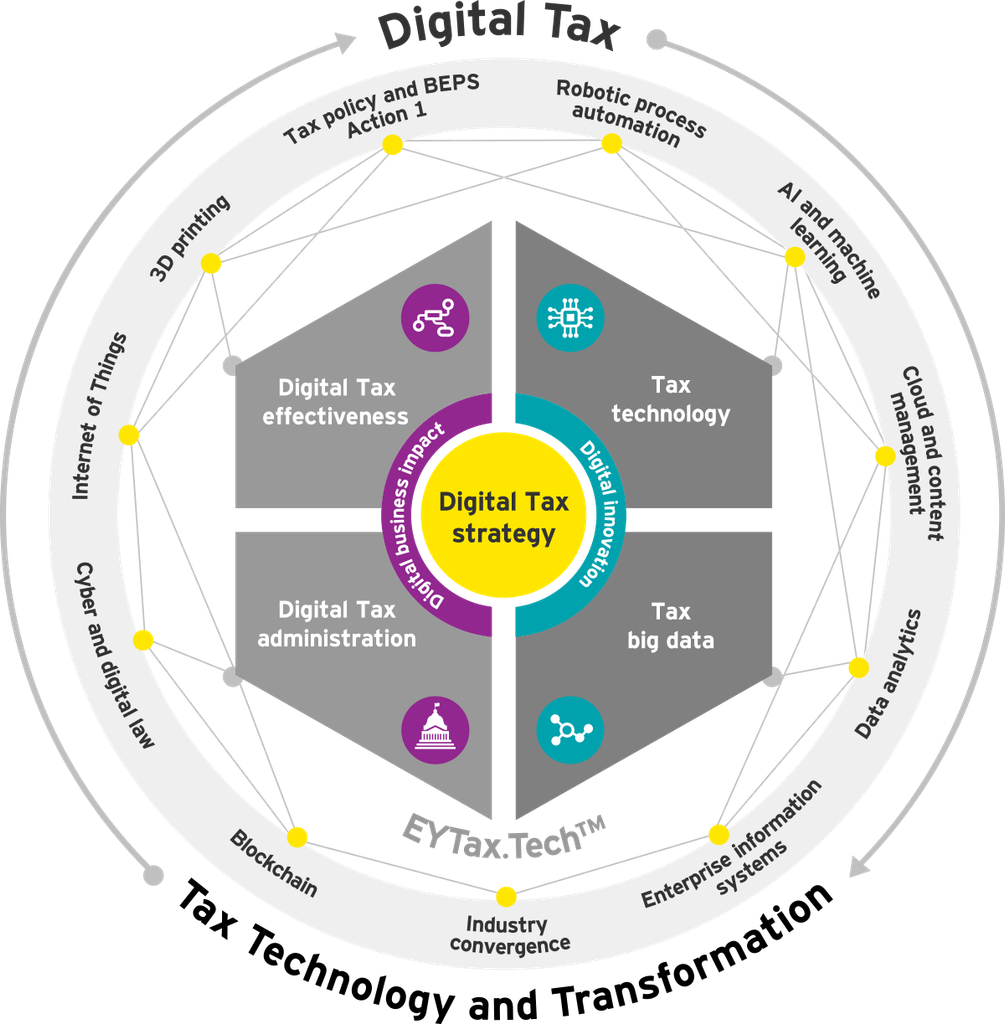
Digital tax compliance platforms help small and medium-sized enterprises organise tax records, automate routine tasks, track filing deadlines, and reduce the risk of avoidable penalties.
Running a small business is not easy. Along with managing sales, customers, and expenses, business owners also have to take care of taxes and paperwork. Missing a deadline or making a mistake while filing returns can lead to penalties and extra costs. This is where digital tax compliance platforms can help.
Digital Tax Compliance Platforms: How SMEs Can Reduce Penalty Risks
Tax automation software helps businesses manage tax-related work with less manual effort. It can organise financial records, calculate tax amounts, prepare reports, and send reminders about important deadlines.
For example, a small business that uses GST software can keep its invoices organised and prepare the information needed for GST returns more easily. This can reduce common errors, such as entering the wrong figures or forgetting important details.
Tax automation refers to software-driven processes that handle tax-related tasks with minimal human input. These tasks include:
- Collecting and classifying tax data
- Performing calculations
- Preparing tax forms
- Tracking compliance in real time
- Filing returns and maintaining records
Why Organizations Use Tax Automation
- Higher accuracy
- Time savings
- Better compliance
- Scalability
- Improved visibility
Reducing the Risk of Penalties
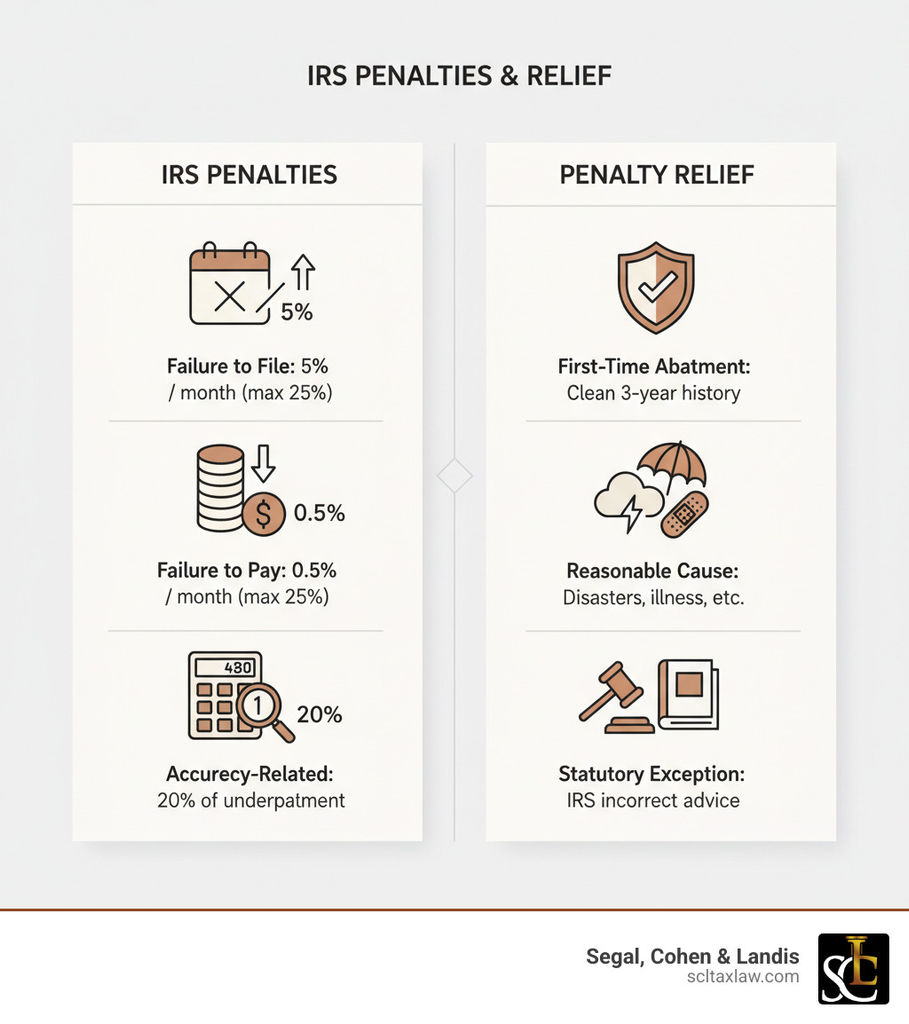
One of the biggest benefits of compliance software is that it helps businesses stay organised and meet deadlines. Many platforms offer alerts for upcoming tax payments and return filings, helping business owners avoid missing important dates.
Digital records also make it easier to check information before submitting a return. When invoices, payments, and tax details are stored in one place, businesses can find mistakes earlier and correct them where possible.
However, software cannot prevent every penalty. Incorrect information, missed reviews, or changes in tax rules can still create problems. Business owners must check their records and make sure their filings are accurate.
Why Digital Readiness Matters for SMEs
Digital readiness means having the right tools, records, and basic knowledge to manage business activities online. For small and medium-sized enterprises (SMEs), it is becoming an important part of tax compliance.
Using digital tools can save time, reduce paperwork, and make financial information easier to access. It can also help businesses keep records ready when they need to answer a tax query or provide documents.
SMEs should choose software that suits their business needs, keep their information updated, and protect their financial data. They should also understand the basic tax rules instead of depending completely on automation.
Conclusion
Digital tax compliance platforms are making tax management easier for small businesses. By organising records, reducing manual errors, and reminding businesses about deadlines, these tools can help lower the risk of penalties.
For SMEs, digital readiness is no longer just about using new technology. It is about managing tax responsibilities more carefully, saving time, and keeping the business organised as it grows.
Using a GST compliance checklist alongside digital tax tools can help SMEs track filing deadlines, verify financial records, and identify discrepancies before submitting returns.
References
[1] OECD, Towards Seamless Taxation: Supporting SMEs to Get Tax Right. Paris, France: OECD Publishing, May 2022. [Online]. Available
[2] OECD, Tax Administration Digitalisation and Digital Transformation Initiatives. Paris, France: OECD Publishing, Jun. 2025. [Online]. Available:
[3] National Informatics Centre, Government of India, “GST – E Invoice.” [Online]. Available: https://www.nic.gov.in/project/gst-e-invoice/
[4] Goods and Services Tax Network (GSTN), “GSTR-1: Statement of Outward Supplies.” [Online]. Available: https://tutorial.gst.gov.in/userguide/returns/GSTR_1.htm
AI Report
GRAMMAR REPORT

PLAGIARISM REPORT