
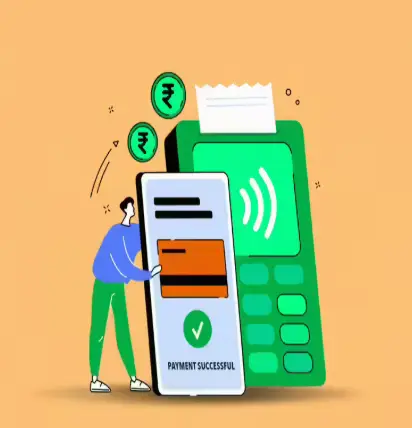
Topics in the blog: Digital Payment Services
Introduction
Digital payment has become omnipresent in almost every aspect of human life. The increasingly busy lives of people have made it essential to perform tasks as easily and quickly as possible. However, in the realm of online payments, awareness among consumers remains partial. In rural areas, several customer-side problems stand in the way of digital payments becoming widely adopted. Issues include digital literacy, network issues, and distrust in digital systems, especially from rural customers.
Technological advancements and a ‘fast’ nature of living pace mean that digital payment systems now have a monumental impact on consumer behaviour. Our habits are changing, and more people and businesses now embrace digital payments as three goats that are more efficient, accessible, and quicker than cash and cheque alternatives. While the level of growth and adaptation to digital payment systems is inexplicable and exceptional, consumers, especially from rural areas, are still faced with significant issues in using these systems.
The present Status of Digital Payment Used by Rural Consumers
Two shocks to the financial landscape of India happened in 2016 with the announcement of the demonetization plan in India and then in 2020 due to the COVID-19 pandemic. For the development of digital payment systems in India, 2010, 2014, and 2016 are regarded as anchor years. The government has introduced a range of national schemes that have changed the nature of digital payments in India. For instance, in 2014, the government launched the Pradhan Mantri Jan Dhan Yojana (PMJDY). The introduction of the Aadhaar-based identification in 2010 and with the RuPay Cards, BHIM, Unified Payments Interface (UPI), and BBPS introduction in 2016 as important developments too. According to a recent study by the Reserve Bank of India (RBI), the per capita digital transactions per year increased from 0.2 to 114 and the one lakh per GDP digital transactions per year increased from 0.8 in FY06 to 56 in FY24. From FY14 to FY24, transactions per capita increased from an average of 0.4 lakh to 16.8 lakh. Paper-based transactions have diminished due to this transition, including about 0.4% of all retail payments in FY24, down from 81.9% in FY06.
Interestingly, more than one-third of digital payment users are in rural areas of India, while over half of fintech users are in semi-urban or rural areas. While there is evidence of increased awareness, challenges remain, including limited infrastructure, cybersecurity issues, and inadequate digital literacy.
Growth and Challenges of Digital Payment Adoption in Rural India
Rural India has experienced a significant rise in digital payments, showcasing a 52% compound annual growth rate (CAGR) in transaction volume and a 12% CAGR in transaction value from 2014 to 2024. The advancement of UPI, RuPay, and AEPS has greatly aided this growth. The BharatNet program has promoted financial inclusion through improved internet access. The RBI claims that digital transactions in India have increased significantly, with their share growing from 1.3% in FY16 to 90.9% in FY24.
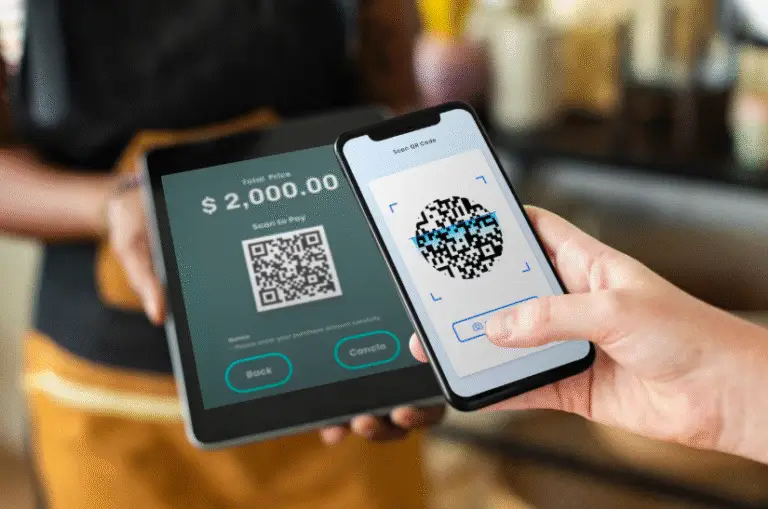
Government subsidies, merchant promotions, and the increasing use of QR-based payments have all supported this advancement (Rahman, Ismail & Bahri, 2020). Additionally, the seamless incorporation of loan applications, KYC checks, and EMI payments leverage WhatsApp’s extensive presence in rural India, presenting a chance to enhance digital repayment processes.Despite being able to implement these systems the reliance on cash for rural lending systems remains very common due largely to the trust that people have in cash as a medium of exchange. There are many relevant barriers to the implementation of digital payments in rural areas of the country, including low internet connection levels, a lack of smartphones, and low levels of digital literacy. Cash continues to be the most widely accepted and easiest to use medium of credit systems in rural areas. Since 2013-14 the growth of digital transactions in India have been substantial and fast growing. In the financial year 2023-24 alone, digital payments were ₹3,658 lakh crore. The COVID-19 pandemic raised the level of digital payments as contactless payments became a necessary aspect of life during lockdown. In rural parts of the country businesses and service providers began accepting QR codes, and government transfer payments went into personal bank accounts. This raised the overall awareness and usage of digital among rural population and businesses.Nonetheless, rural India’s progress towards widespread digital payments acceptance is hindered by many obstacles. The challenge lies not only in rural citizens having relatively low digital literacy, some of whom lack the confidence or competence to utilize a digital interface, but poor internet access in remote rural areas also impacts the regular use of mobile apps. Nevertheless, in rural India, digital payments have increased at astounding rates of 52% CAGR for digital payments transaction volume and 12% CAGR for digital payments transaction value from 2014 to 2024. The development of new payment systems such as the Unified Payments Interface (UPI), RuPay and the Aadhaar Enabled Payment System (AEPS), as well as the government investments to enhance the internet landscape through BharatNet are improving the prospects for enhancing financial inclusion. The Reserve Bank of India shows that the evolution of digital transactions has grown in a significant way when the share of digital payment count from the total number of transactions goes from 1.3% in FY16 to 90.9% in FY24. Digital payments industry in rural India has been facilitated by a combination of support from government subsidies, incentives for merchants and QR-code-based payments (Rahman et al., 2020).

Case Study: Digital Payment Use in a Rural Market in Rajasthan
A small survey conducted in a rural market in Rajasthan revealed that 60% of shopkeepers accepted digital payments, with UPI being the most preferred method. Those who adopted it noted improved sales, faster customer turnover, and ease in managing business accounts. However, the remaining 40% cited poor mobile signals and lack of digital knowledge as the reasons for not adopting the system
Challenges to the Adoption of Digital Payment Systems in Rural India
There are several barriers to digital payment adoption in rural regions. These barriers encompass rural resident’s relative low literacy, as many lack the digital skills to use Internet services, difficulty accessing the Internet as low-level of connectivity and varying supply in electricity weakens access to digital, geographic barriers, such as poor terrain and though cultural refusal/adoption of technology, and lastly the costs that accompany infrastructure and cultures sceptical of use to digital. Finally, security issues associated with cyber fraud and other digital security threats prevent many from embracing digital payments systems.
What can the government do to increase awareness among rural entrepreneurs?
Financial institutions could develop training programs about digital literacy for specific areas and provide them through local education systems. The Government could increase subsidies for smartphones in remote areas, improve digital infrastructure by building mobile towers, or provide tax incentives to companies involved in digital payment. Digital Payment Providers should create a user-friendly interface that makes it easier to access payments in their respective areas by working with local self-help groups to help improve their adoption. Digital service providers may begin working on improving their customer support systems, increasing security protocols to reduce fraud, and refining their complaints management system to help build client trust. Initiatives from rural self-help groups and community development schemes may be made to incorporate digital payment literacy into their educational fabric.
Conclusion
Digital payments are now an essential requirement in the current world, especially in rural areas, but there are still issues surrounding access, adoption, and reliability. Although rural areas have been promising about digital payments, the global reliability of the digital payment system has not yet materialised due to some barriers, including a lack of infrastructure, trust, and experience. Heightened awareness of digital platforms has provided a foundation for growth, but large steps still need to be taken to address current challenges and achieve effectiveness in future progress. The study results indicate that there are several determinants of the adoption of digital transactions in rural areas such as government programs, financial literacy levels, availability of technology, and socioeconomic conditions. Past studies show that the increase in digital payment services can be closely associated with the prevalence of smartphones and universal internet connectivity; therefore, awareness through public and financial education campaigns is are important next step. Additionally, the policy must focus on improving technological infrastructure, enhancing the proliferation of financial literacy campaigns and making access to the government as easy as possible in the most remote rural areas, which would also solidify the transition to digital.

FAQs
1. Why is the usage of digital payment systems still very low in rural India although technology has advanced?
Answer:
Even with growth in technology in rural landscapes, many barriers to growing to digital payments still remain – to name a few, low level of internet connectivity and speed, limited digital literacy, little access to smartphones, and preference for cash transactions. Rural enterprises as a result remain limited to the adoption of digital payment methods.
2. What has the government done to promote digital payments in rural areas?
Answer:
The Indian Government has launched various schemes such as Pradhan Mantri Jan Dhan Yojana (PMJDY), Aadhaar, UPI, RuPay cards, and BHIM app to specifically promote financial inclusion in India. In addition, government schemes like BharatNet provide a dedicated effort to develop the internet infrastructure in rural areas to help promote the usage of digital payments.
3. In what specific ways did demonetization and COVID-19 influence the uptake of digital payments in rural India?
Answer:
The demonetization of 2016 and COVID-19 pandemic of 2020 were disruptive events that accelerated the acceptance of digital payments. In 2016, consumers were forced to look for digital payments alternatives, as the extreme shortage of cash during the demonetization period curtailed consumer spending. During Covid-19, contactless payments became imperative and adopting strict cashless payment processes, even in rural markets, became the norm.
4. What different types of digital payment methods utilized by rural entrepreneurs?
Answer: UPI-based transactions are the most popular with rural users and shopkeepers because they are easy and quickly paid out. The other methods most commonly used were QR Code payments, RuPay cards, and AEPS (Aadhaar Enabled Payment Systems).
5. What steps can be taken to promote higher adoption of digital payments in rural parts of India?
Answer: These steps include:
– Increased digital literacy through community-based training.
– Provision of infrastructure support (better internet access) and electricity.
– Provisions of incentives/subsidies of mobile devices (smartphones).
– Improved cybersecurity to enhance user trust.
– Promotion of simple, easy to use platforms and collaborative efforts with local self-help groups.
6. How do Digital Payment Services benefit rural entrepreneurs?
Digital Payment Services help rural entrepreneurs by enabling faster transactions, reducing dependency on cash, and offering better record-keeping for business operations.
7. Are Digital Payment Services secure for rural users?
Yes, most Digital Payment Services use encryption and two-factor authentication. However, rural users must be educated on avoiding fraud and scams.
8. What is the most widely used Digital Payment Service in rural India?
UPI is the most commonly used among Digital Payment Services in rural areas due to its ease of use, zero charges, and widespread merchant acceptance.
9. Why are some rural shopkeepers hesitant to adopt Digital Payment Services?
Many shopkeepers hesitate to adopt Digital Payment Services due to poor internet connectivity, lack of smartphone access, and fear of digital fraud.
10. What role do fintech companies play in expanding Digital Payment Services?
Fintech companies are crucial in spreading Digital Payment Services by developing user-friendly apps and educating users through localised awareness programs.
11. How does BharatNet help improve Digital Payment Services in villages?
BharatNet improves access to Digital Payment Services by providing high-speed broadband infrastructure to rural and remote locations across India.
12. How can local self-help groups promote Digital Payment Services?
By organising financial literacy camps and demos, self-help groups can build trust and promote the usage of Digital Payment Services in their communities.
13. What challenges affect the growth of Digital Payment Services in tribal areas?
Lack of mobile network coverage, low device penetration, and cultural hesitation are key barriers to the expansion of Digital Payment Services in tribal regions.
14. Can Digital Payment Services work without a smartphone?
Yes, certain Digital Payment Services like USSD-based mobile banking and AEPS allow users to transact using feature phones or biometric devices.
15. What government incentives exist for using Digital Payment Services?
Governments provide cashback schemes, transaction fee waivers, and QR code installation support to promote Digital Payment Services among small merchants.
Penned by Raksha Bansal
Edited by Somewrit Sekhar Maiti, Research Analyst
For any feedback mail us at info@eveconsultancy.in
Finance made simple, fast, and fun! 🏦💡 Sign up for your daily dose of financial insights delivered in plain English. In just 5 minutes, you’ll be smarter already!
Simplify Your Business Compliance with Eve Consultancy
Eve Consultancy is your trusted partner for end-to-end compliance services, including Company Incorporation, GST Registration, Income Tax Filing, MSME Registration, and more. With a quick and hassle-free process, expert guidance, and affordable pricing, we help businesses stay compliant while they focus on growth. Backed by experienced professionals, we ensure smooth handling of all your legal and financial requirements. WhatsApp us today at +91 9711469884 to get started.