
Topics: Import duties USA, HTS USA
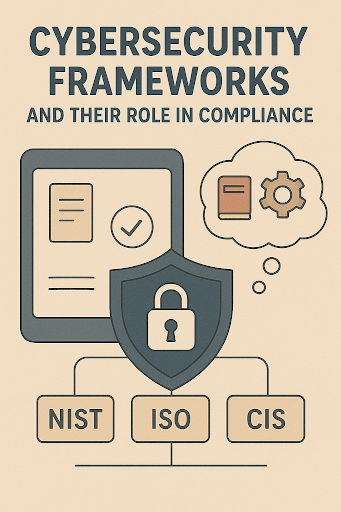
The world is moving towards digital and cybersecurity frameworks and role in compliance modes at a very fast pace, which makes cybersecurity frameworks and role in compliance a quintessential part of our lives. Our lives are so digitally driven nowadays that, be it an individual, a small business, a big corporation, or a multinational organization, all rely on digital systems to store their data. Data is the new currency now, and cybersecurity frameworks and role in compliance keep our data protected from any sort of damage or theft. A strong cybersecurity framework and role in compliance program helps an organization defend itself against data breaches. Cybersecurity frameworks and role in compliance adopted by any organization must be regularly updated and checked for their relevance in the current time because cybercriminals are becoming very innovative in choosing their methods of attack and affecting the security systems of any organization.

3 Roles of Cybersecurity Frameworks and Role in Compliance
Sensitive Data Protection
An organization’s defensive mechanisms can be enhanced by establishing a robust cybersecurity framework and applying relevant regulatory standards. This is a proactive approach, guards your sensitive data and avoids legal consequences. General Data Protection Regulation (GDPR) is a data privacy regulation that mandates organizations to make use of encryption and secure access controls to protect personal information. If you end up in a security situation, the stringent incident response protocols minimize and mitigate the damage.
Protection from Legal Consequences
Your organization might face legal consequences if it does not comply with the cybersecurity regulations. The legal consequences of non-compliance with data protection laws can range from simple fines and penalties to lawsuits. The lawsuits can also be filed by individuals who were affected by data breaches. This damages your reputation.
Trust of Customers
It takes a lot of time to build credibility and trust among customers in your organization. To maintain your image as a trustworthy organization that values high levels of security and confidentiality of customer data, you must obtain compliance certifications like ISO 27001 or SOC 2.
Cyber Security Compliance role
It is important for every organization to understand that their customers trust them with the data they provides. Cybersecurity frameworks and compliance role thus becomes crucial and can be achieved through abiding by data protection laws and industry-specific regulations like PCI DSS, which would help in upholding data privacy. An effective framework of compliance management helps in mitigating risks by identifying vulnerabilities and preventing unauthorized access. A resilient security structure, with regular audits and assessments, makes an organization tough against the ever-evolving cyber threats.
Choosing the Right Cybersecurity Framework for Your Organization
The cybersecurity frameworks and role in compliance requirements, regulatory obligations, and the threats that it might face often influence an organization’s decision in choosing the right cybersecurity framework. Cybersecurity readiness can be achieved by selecting a framework that caters to the unique requirements of the organization, which showcases adherence to the relevant standards. By conducting regular risk assessments, you can easily identify the organization’s vulnerabilities and mitigate potential threats. This step is critical in identifying a framework that suits the needs of your organization.
Conclusion
Cybersecurity frameworks and role in compliance provide a comprehensive roadmap for identifying and mitigating potential data breaches and other cybercrimes. Implementing the right security framework is a proactive security strategy that builds and maintains an organization’s credibility, reputation, and trust among its customers.
References
- Bitsight, “7 Cybersecurity Frameworks to Reduce Cyber Risk,” [Online]. Available: https://www.bitsight.com/blog/7-cybersecurity-frameworks-to-reduce-cyber-risk
- DataGuard, “Cyber security framework,” [Online]. Available: https://www.dataguard.com/cyber-security/framework/
- DataGuard, “Cyber security compliance,” [Online]. Available: https://www.dataguard.com/cyber-security/compliance/
- UpGuard, “Why Is Cybersecurity Important?,” [Online]. Available: https://www.upguard.com/blog/cybersecurity-important
FAQs
Q1. What are cybersecurity frameworks?
Cybersecurity frameworks are structured guidelines that help organizations protect digital assets, comply with data protection laws, and manage cyber risks.
Q2. Why are cybersecurity frameworks important for compliance?
They align security practices with data protection laws, reducing risks of penalties, lawsuits, and reputational damage.
Q3. How do cybersecurity frameworks protect sensitive data?
Frameworks enforce encryption, secure access controls, and incident response plans to safeguard sensitive data.
Q4. Which cybersecurity frameworks are most widely used?
Popular cybersecurity frameworks include NIST, ISO 27001, SOC 2, and PCI DSS, each designed for different compliance needs.
Q5. How do data protection laws relate to cybersecurity frameworks?
Data protection laws like GDPR or HIPAA mandate that organizations adopt cybersecurity frameworks to ensure lawful data handling.
Q6. What role does GDPR play in cybersecurity compliance?
GDPR requires organizations to secure personal data with strong cybersecurity frameworks to avoid hefty fines and breaches.
Q7. Can cybersecurity frameworks prevent legal consequences?
Yes, adopting robust frameworks ensures compliance with data protection laws and protects organizations from lawsuits.
Q8. How do cybersecurity frameworks build customer trust?
By ensuring secure handling of customer data, frameworks enhance transparency and reinforce brand reputation.
Q9. What is cybersecurity compliance certification?
Certifications like ISO 27001 or SOC 2 validate that organizations meet global standards for cybersecurity compliance.
Q10. How can PCI DSS support cybersecurity compliance?
PCI DSS specifically protects payment data, ensuring businesses comply with financial data protection laws.
Q11. How to choose the right cybersecurity framework?
Organizations should assess compliance requirements, threats, and industry-specific data protection laws before selecting a framework.
Q12. What role do risk assessments play in compliance?
Regular risk assessments identify vulnerabilities, ensuring cybersecurity frameworks remain effective and compliant.
Q13. How often should cybersecurity frameworks be updated?
Frameworks should be reviewed annually or whenever new data protection laws or emerging threats appear.
Q14. What industries benefit most from cybersecurity frameworks?
All industries—from finance to healthcare—benefit, but sectors handling sensitive data are most dependent on compliance.
Q15. Can small businesses use cybersecurity frameworks effectively?
Yes, SMEs can adopt simplified frameworks aligned with data protection laws to protect assets and build credibility.
Penned by Kinjal Bagrecha
Edited by Reeya Kumari, Research Analyst
For any feedback mail us at info@eveconsultancy.in
Finance made simple, fast, and fun! 🏦💡 Sign up for your daily dose of financial insights delivered in plain English. In just 5 minutes, you’ll be smarter already!
Simplify Your Business Compliance with Eve Consultancy
Eve Consultancy is your trusted partner for end-to-end compliance services, including Company Incorporation, GST Registration, Income Tax Filing, MSME Registration, and more. With a quick and hassle-free process, expert guidance, and affordable pricing, we help businesses stay compliant while they focus on growth. Backed by experienced professionals, we ensure smooth handling of all your legal and financial requirements. WhatsApp us today at +91 9711469884 to get started.