
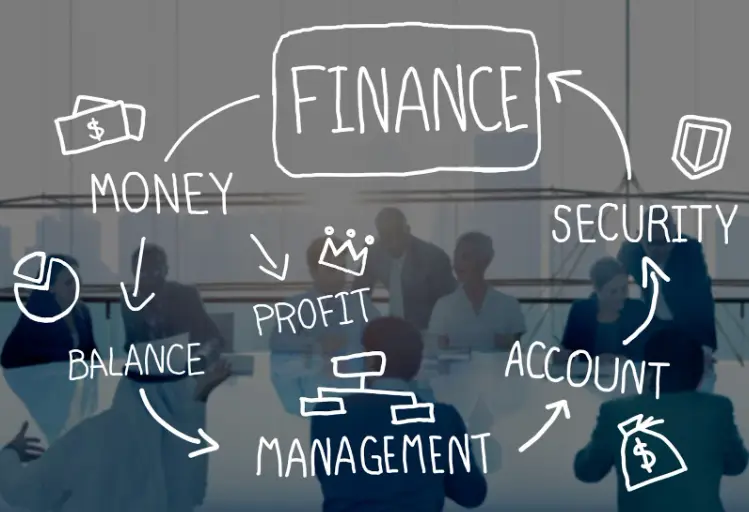
Main Topics: Finance Basics For Beginners
When was the last time you had to make a financial decision? Either opting between two savings apps, applying for a loan, or even a doubts if you could afford that item. In 2025, economic outcomes will be present in each corner and rising in a complex way. Digital wallets, cryptocurrency and even fast credit options; these small steps can lead to drastic backlash.
Therefore, financial literacy and understanding the parameters of how money management actually works and how to handle it are some of the most important skills in today’s era.
What is Financial Literacy?
Being a pro in economics is not the same as being financially literate and updated versions. It includes producing smart financial initiatives every day, like fixing a budget, saving cash, interpreting interest rates, and knowing how credit works. It requires confidence to avoid pitfalls and ask the right questions.
According to the OECD, financial literacy combines attributes like behaviour, attitude, and knowledge about money. It means being able to interpret a bank offer or grasp the long-term effects of that “0% EMI” plan.

Why It’s Even More Important in 2025
- There Are Too Many Choices Now
Various choices like digital banks, investment platforms, and financial apps are present everywhere. This provides us with multiple options, but it can lead to major chaos and confusion. Without basic prior knowledge, many people end up choosing fishy options instead of the right ones.
- The Economy Isn’t Always Friendly
With inflation, unemployment, job cuts and expensive living costs, every single rupee matters. People with financial skills are more prepared to plan, execute and avoid stressful decisions.
- You’re On Your Own Financially Sooner
Today’s generation of people is freelancing, having small businesses, or juggling side gigs. Relaxation comes with vigilant duties like managing inconsistent pay scales, paying excise, and investing judiciously.
Financial Literacy Leads to Smarter Decisions
Financial literacy improves everyday life:
- Budgeting reduces stress
Keeping a record of your income and expenditure lowers the chances of getting into debt. It makes you feel more comfortable when spending money on important items.
- More Astute Credit Use
Understanding and analysing the true cost of debt makes it easier for people to avoid credit traps. Financially aware individuals negotiate at correct terms and clear the bad credit altogether.
- Better Investment Options
Need not be a stock market expert due to the available options. But do you know the difference between a Ponzi scheme and a mutual fund? Knowing this helps you grow your savings easily.
- More Mindful Spending
Understanding correct value, pricing strategies, and long-term visions makes it easier to stop wasting on impulse purchases or misleading offers.
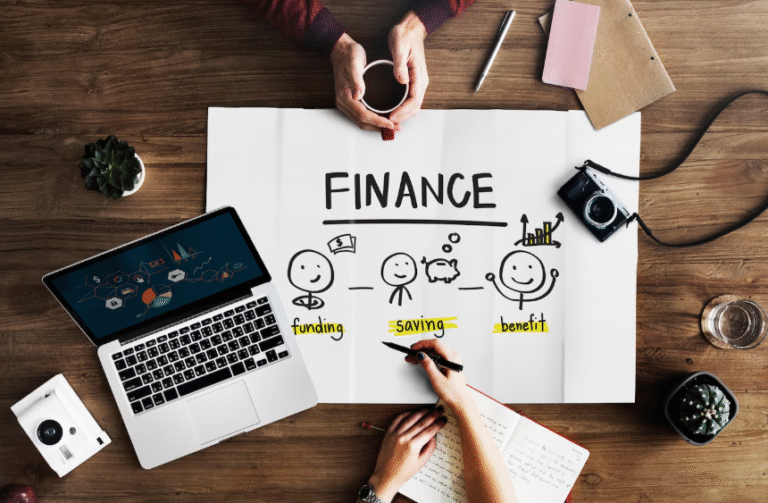
How 2025 Is Making Financial Learning Easier
Learning about money doesn’t have to involve boring textbooks or notes anymore. Today, financial education is bite-sized, digital, rapid and even enjoyable.
Apps That Teach While You Spend
Apps like Finch and Zogo reward users for understanding the principles of finance. AI tools now provide real-time advice, highlighting risky spending and suggesting correct alternatives.
Money School = Social Media
Grateful to content creators, millions now access finance knowledge through YouTube videos and Instagram reels. Financial literacy is becoming a popular trend in today’s era.
Government and Nonprofit Assistance
Many countries like Singapore, Canada, and India are launching national literacy initiatives and campaigns to provide financial education to working adults, small towns, and schools.
The Bigger Picture: Why This Matters to Everyone
Reduces Inequality
Financial literacy can help turn down the cycle of poverty. Basic cash management skills enable better borrowing, more savings, and quicker recovery from financial setbacks.
Increases Stability and Savings
People handling their finances well not only save themselves but also contribute to stronger and more effective national economies through credit scores and diminished default rates.
Empowers the Next Generation
Learning about budgeting, taxes, and investments after secondary education would be more effective. We would raise a generation less burdened by debt and more focused on the future.

Real Example: Singapore’s “MoneySense” Initiative
The Singapore government started the MoneySense program to teach various groups, from students to working adults, better money management skills. The community has seen a major development in diminishing debt and better retirement planning through events, workshops, online platforms, and awareness drives.
What Still missing or needed?
Despite progress, we need to accelerate financial literacy, particularly among rural or backward communities, gig workers, and older adults.
Ways that can help:
- Making personal finance part of educational curriculums
- Encouraging employers to provide financial wellness events
- Creating more accessible content in different languages
- Promoting real-life simulations and workshops
Final Thoughts: Financial Literacy Is Self-Care
Summing up to the point that financial literacy isn’t just about making faster money. It’s all about gaining control and being equipped to handle any situation that comes up in the ladder of trade and success. Having confidence in your money management skills makes life easier, whether you’re trying to make ends meet, saving for retirement, or setting aside money for your dream item.
Hence, practising money skills in 2025 is not just smart but fundamental.
References
- OECD. OECD/INFE 2020 International Survey of Adult Financial Literacy [Internet]. OECD; 2020 [cited 2025 Jul 2].
- Reserve Bank of India. National Strategy for Financial Education 2020-2025 [Internet]. RBI; 2020 [cited 2025 Jul 2].
- Government of Canada. National Financial Literacy Strategy 2021–2026 [Internet]. Financial Consumer Agency of Canada; 2021 [cited 2025 Jul 2].
- Lusardi A, Mitchell OS. The Economic Importance of Financial Literacy: Theory and Evidence. J Econ Lit. 2014;52(1):5–44.
- MoneySense Singapore. National Financial Education Program [Internet]. Government of Singapore; 2023 [cited 2025 Jul 2].

FAQs: Finance Basics for Beginners
1. What are finance basics for beginners and why are they important in 2025?
Finance basics for beginners include budgeting, saving, understanding interest rates, credit management, and identifying investment options. In 2025’s fast-changing financial landscape, mastering these fundamentals is essential for smart decision-making and long-term stability.
2. How can finance basics for beginners help avoid common money mistakes?
Learning finance basics for beginners equips individuals to avoid debt traps, impulse spending, and poor investments. It builds a foundation for smarter financial choices in everyday life.
3. What are the first steps in learning finance basics for beginners?
Start by tracking your income and expenses, creating a simple budget, and understanding how savings accounts, credit cards, and interest work. These are essential components of finance basics for beginners.
4. Do I need to study economics to understand finance basics for beginners?
Not at all. Finance basics for beginners focus on practical life skills—like managing a bank account or understanding a loan—rather than academic theories or complex economics.
5. Can finance basics for beginners help students and freelancers?
Yes, students and freelancers especially benefit from finance basics for beginners because they often have irregular income. Learning to budget and save early helps build financial discipline.
6. Are there mobile apps that teach finance basics for beginners?
Absolutely. Apps like Zogo, Finch, and Walnut offer bite-sized lessons and tools that make finance basics for beginners fun, interactive, and accessible from your phone.
7. How does budgeting fit into finance basics for beginners?
Budgeting is a core part of finance basics for beginners. It involves setting limits for spending, planning savings, and tracking where your money goes to reduce financial stress.
8. What financial terms should I learn first as a beginner?
As part of finance basics for beginners, start with terms like interest rate, credit score, EMI, asset, liability, inflation, and return on investment (ROI).
9. Can social media help in understanding finance basics for beginners?
Yes. Many credible finance influencers and educators now use Instagram and YouTube to share tips and explain finance basics for beginners through relatable content and real-world examples.
10. How does credit work in finance basics for beginners?
Understanding credit means knowing how borrowing works, what credit scores represent, and how to repay loans responsibly—this is a crucial aspect of finance basics for beginners.
11. Is investing part of finance basics for beginners?
Yes. While you don’t need to trade stocks, finance basics for beginners include knowing safe investment types like SIPs, fixed deposits, and mutual funds to grow wealth slowly and safely.
12. Are finance basics for beginners relevant for gig economy workers?
Definitely. With inconsistent income streams, gig workers rely heavily on finance basics for beginners to manage cash flow, track expenses, and plan for taxes or savings.
13. How can governments support finance basics for beginners?
Governments can promote finance basics for beginners through school curriculums, public campaigns, and initiatives like India’s NSFE or Singapore’s MoneySense to reach underserved communities.
14. How do finance basics for beginners prevent financial stress?
Knowing finance basics for beginners helps reduce anxiety by providing clarity on income, expenses, and savings. It builds confidence to handle emergencies and long-term planning.
15. Where can I find reliable resources to learn finance basics for beginners?
Start with RBI’s financial education site, the OECD toolkit, or nonprofit platforms like MoneySense. These provide trustworthy, structured learning on finance basics for beginners.
16. Why is financial literacy considered a life skill today?
Because it impacts every area of life—from paying bills to planning retirement. Knowing how to manage money is just as essential as knowing how to cook or drive.
17. What’s the difference between saving and investing?
Saving is setting money aside safely, like in a bank, while investing puts your money to work in markets or assets with the goal of generating a return.
18. How does inflation affect personal finance?
Inflation reduces the purchasing power of money. Over time, the same amount buys less—so it’s important to save and invest wisely to stay ahead of rising prices.
19. What are some common financial mistakes beginners make?
Overspending, ignoring emergency funds, not tracking expenses, and falling into debt traps like easy credit or zero-cost EMIs without reading terms.
20. Why is it important to understand interest rates?
Because interest rates affect loans, savings, and credit cards. Knowing how they work helps you make informed borrowing and investing decisions.
21. Do you need a high income to manage money well?
No. Good money management isn’t about how much you earn, but how well you budget, save, and avoid unnecessary debt.
22. Can financial education reduce income inequality?
Yes. When people learn to manage money better, they build wealth, avoid predatory lending, and gain access to opportunities that improve their quality of life.
23. What role do schools play in teaching money skills?
Schools that introduce personal finance early help students make better decisions in adulthood—like handling their first salary or avoiding debt.
24. Is financial planning necessary in your 20s?
Yes. Starting early gives you more time to build savings, avoid financial mistakes, and benefit from compound interest and investment growth.
25. What’s the easiest way to start managing your money better today?
Start by writing down all your income and expenses. From there, create a basic budget and set one small savings goal. Progress builds from there.
Penned by Rohit Rathore
Edited by Ragi Gilani, Research Analyst
For any feedback mail us at info@eveconsultancy.in
Finance made simple, fast, and fun! 🏦💡 Sign up for your daily dose of financial insights delivered in plain English. In just 5 minutes, you’ll be smarter already!
Simplify Your Business Compliance with Eve Consultancy
Eve Consultancy is your trusted partner for end-to-end compliance services, including Company Incorporation, GST Registration, Income Tax Filing, MSME Registration, and more. With a quick and hassle-free process, expert guidance, and affordable pricing, we help businesses stay compliant while they focus on growth. Backed by experienced professionals, we ensure smooth handling of all your legal and financial requirements. WhatsApp us today at +91 9711469884 to get started.