

Anti-corruption training is one of the most effective ways organizations can prevent bribery, fraud, and unethical practices. In today’s corporate environment, where integrity is directly tied to reputation and compliance, training employees on anti-corruption measures is no longer optional—it’s a business imperative.
Lies show up in many forms, like bribery, stealing, secret payoffs, lies, and clash of wants. They can hurt how a firm works, mess up decision-making, and break its work spirit. Staff, knowing or not, may face wrong acts or feel pushed to act badly, mainly in parts where risks are high or when buying, selling, or working with the state.
Teaching is the first line of safety against such risks. It tells workers what lies mean and what they can lead to. It also gives them ways to spot, stay away from, and talk about bad acts.
5 Key Parts of Good Anti-Corruption Teaching
For teaching to work, it must do more than just check a box. It needs to be direct, fit for the job, and match the risks staff face. Main parts cover:
Knowing Lies and Their Effects
Teaching should explain the types of lies, show real examples that hit home, and show what bad acts cost both the person and the firm, like fines, jail, job loss, and a hurt brand.
Rules by Law
Workers should know the laws on fighting lies in their places, like the U.S. FCPA, the UK Bribery Act, or local rules. Global firms must teach about rules that cross borders.
Firm Rules
The teaching should lay out the firm’s own rules against lies, how to act, and how to tell on them. Workers must know how to get help and how to speak up safely.
Spotting Risks and Warning Signs
Focus on making staff see risks, such as payoffs, big gifts, or unclear third-party links. Role plays or real cases can make it clear and draw them in.
Lead by Example
The big bosses should join in the anti-liar teaching efforts. When bosses clearly back good acts and hold to them too, it builds a true spirit in the firm.
How to Put It In Place Well
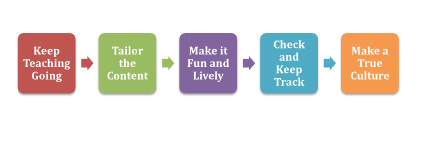
Keep Teaching Going
Don’t just teach once. Hold yearly updates, stay current with new rules, and teach during new hire phases or job changes to keep rules fresh and lived.
Tailor the Content
Different parts of the firm face different risks. For example, buying teams may see vendor bribes, while sales teams might feel pushed to give treats. Making the teaching fit the job makes sure it hits the mark.
Make it Fun and Lively
Use online lessons, quizzes, real workshops, and true case talks to keep the teaching fun and sticky. Games on choices can help hold onto and use what they learn.
Check and Keep Track
Watch who joins, test what they get through reviews or quick tests, and check how well the teaching works through checks and looking at what gets reported. Always aim to get better.
Make a True Culture
Teaching is just one part of keeping rules. It needs a strong lead, straight rules, clear steps, and a safe place where staff can share worries. Teaching about lies is not just about dodging fines—it’s about building trust, keeping a good name, and making sure the firm does well long-term.
Conclusion
Corruption is a multidimensional phenomenon affecting numerous areas of public life. It continues to represent a tenacious challenge to companies. That is why the training of employees on the identification and prevention of corruption practices is important. It not only tarnishes the company’s image outside the market but also erodes the confidence of employees working within the company, and could ultimately lead to the company’s downfall.
FAQ
1. What is anti-corruption training?
Anti-corruption training is an organisational program designed to educate employees about the risks of corruption, ethical behaviour, and compliance standards. It helps staff recognize corrupt practices such as bribery, kickbacks, and conflicts of interest while providing clear guidance on how to prevent, report, and address them. The goal is to build a culture of integrity and reduce legal, financial, and reputational risks.
2. Why is anti-corruption training important?
Anti-corruption training is critical because:
- It prevents financial losses from fines, penalties, and fraud.
- It protects corporate reputation, which is easily damaged by corruption scandals.
- It ensures compliance with global laws such as the U.S. Foreign Corrupt Practices Act (FCPA) and the UK Bribery Act.
- It empowers employees to make ethical decisions under pressure.
- It builds trust with stakeholders, investors, and customers.
Without proper training, employees may unknowingly engage in unethical acts that could harm both themselves and the company.
3. What are the key elements of an effective anti-corruption training program?
A strong program should include:
- Understanding corruption risks: Covering bribery, fraud, embezzlement, and conflicts of interest with real-life examples.
- Legal frameworks: Training employees on anti-corruption laws relevant to their jurisdictions and industries.
- Company policies: Explaining internal codes of conduct, reporting mechanisms, and disciplinary actions.
- Risk identification: Teaching employees to spot red flags such as excessive gifts, vague contracts, or suspicious third-party activities.
- Leadership involvement: Ensuring managers and executives lead by example and actively participate in training.
4. How often should anti-corruption training be conducted?
Anti-corruption training should not be a one-time exercise. Organizations should:
- Provide mandatory onboarding training for new hires.
- Conduct annual refresher courses to reinforce knowledge.
- Update training whenever laws or company policies change.
- Use periodic workshops or e-learning modules to keep employees engaged and informed.
Ongoing training ensures that compliance becomes a habit rather than a checkbox exercise.
5. How can companies make anti-corruption training engaging?
Engagement is key to effectiveness. Companies can:
- Use interactive formats such as case studies, role-playing, and scenario-based learning.
- Include gamification elements like quizzes and competitions.
- Provide industry-specific examples so employees can relate directly to their work.
- Offer micro-learning modules that are short, focused, and accessible anytime.
This makes training memorable and encourages employees to apply what they learn in real situations.
6. What role does leadership play in anti-corruption training?
Leadership commitment is essential. Executives and managers should:
- Participate in training themselves to demonstrate accountability.
- Communicate a zero-tolerance policy on corruption.
- Reward ethical behavior and encourage whistleblowing in a safe environment.
- Embed integrity as a core company value, not just a compliance requirement.
When leaders model ethical behavior, employees are more likely to follow suit.
7. How can organizations measure the effectiveness of anti-corruption training?
Companies can track effectiveness by:
- Monitoring participation rates and completion of training.
- Conducting knowledge assessments before and after sessions.
- Evaluating reporting trends in whistleblowing systems.
- Reviewing compliance audit results for improvements.
- Gathering employee feedback on training relevance and clarity.
These metrics help organizations refine their programs and ensure they truly reduce corruption risks.
References
[1] Transparency International, Corruption Perceptions Index 2023, Transparency International, Berlin, Germany,2024.[Online]. https://www.transparency.org/en/cpi/2023
[2] U.S. Department of Justice, A Resource Guide to the U.S. Foreign Corrupt Practices Act, 2nd ed., Criminal Division of the U.S. Department of Justice and the Enforcement Division of the U.S. Securities and Exchange Commission, 2020.https://www.justice.gov/criminal-fraud/file/1292051/download
[3] UK Ministry of Justice, The Bribery Act 2010: Guidance, London, UK, 2011. https://www.gov.uk/government/publications/bribery-act-2010-guidance
[4] OECD, OECD Guidelines for Multinational Enterprises, OECD Publishing, Paris, France, 2023 https://www.oecd.org/corporate/mne/
[5] Deloitte, Global Anti-Corruption and Integrity Survey 2023, Deloitte, 2023. https://www2.deloitte.com/global/en/pages/risk/articles/global-anti-corruption-integrity-survey.html
[6] E. M. Uhl, “Anti-Corruption Training: A Business Imperative,” Journal of Business Ethics, vol. 174, no. 3, pp. 459–472, Jan. 2022. https://doi.org/10.1007/s10551-021-04989-1
Penned by Akshat Duggal
Edited by Reeya kumari, Research Analyst
For any feedback mail us at info@eveconsultancy.in
Finance made simple, fast, and fun! 🏦💡 Sign up for your daily dose of financial insights delivered in plain English. In just 5 minutes, you’ll be smarter already!
Simplify Your Business Compliance with Eve Consultancy
Eve Consultancy is your trusted partner for end-to-end compliance services, including Company Incorporation, GST Registration, Income Tax Filing, MSME Registration, and more. With a quick and hassle-free process, expert guidance, and affordable pricing, we help businesses stay compliant while they focus on growth. Backed by experienced professionals, we ensure smooth handling of all your legal and financial requirements. WhatsApp us today at +91 9711469884 to get started.