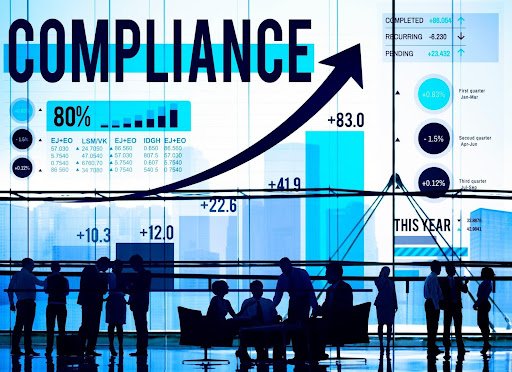
For multinational corporations (MNCs), compliance isn’t just about ticking boxes – it’s about protecting the company’s reputation, avoiding legal troubles, and building trust with stakeholders worldwide. Operating in multiple countries means facing different legal systems, cultural norms, and industry standards. That makes compliance management far more complex than it is for a company operating in a single market.
Here’s how MNCs can make compliance a well-oiled process instead of a constant headache.
1.Centralized Compliance Framework
Every successful compliance program starts with a global framework. This acts as the foundation for all programs and procedures across the company. While it’s important to have one unified standard, each indigenous branch should have the flexibility to acclimatize it to original regulations. This way, the company maintains thickness while staying applicable in different requests.
2.Strong Leadership and Devoted Compliance Officers
Compliance starts from the top. Having a Chief Compliance Officer (CCO) at the global position sets the tone for ethical operations. Regional compliance heads can also ensure these programs are applied effectively on the ground. When leaders laboriously support compliance, workers are more likely to take it seriously.
3.Regular and Region-Specific Training
MNCs should conduct frequent training sessions that cover global norms as well as original laws—from anti-bribery and corruption rules to data sequestration conditions. Acclimatizing sessions to the region makes them more applicable and poignant.
4.Technology-Driven Monitoring Systems
Ultramodern compliance operation software allows for real- time monitoring, automated reporting, and quick identification of threat areas.
5.Thorough Risk Assessment and Audits
Visionary threat assessment is the backbone of a strong compliance operation. Regular internal checkups help spot weak points before they turn into major issues. External third-party checkups add an unprejudiced view and ensure that norms are met constantly across all regions.
6.Original Legal Moxie
No matter how strong a central compliance policy is, original moxie is essential. Hiring original legal counsels or advisers helps the company navigate region-specific regulations and make connections with original authorities. It’s also the fastest way to acclimatize when laws change suddenly.
7.Clear and Transparent Reporting
Transparent reporting ensures that everyone—from top operation to frontline staff—knows the company’s compliance status. Participating in periodic updates builds confidence both internally and externally.
8.Whistleblower Protection Programs
Workers are frequently the first to spot implicit compliance breaches. Furnishing them with safe, anonymous channels to report these issues encourages a culture of integrity. Just as important is ensuring there’s no retribution—trust is the foundation of a good whistleblower system.
Conclusion
Managing compliance in transnational pots is a balancing act between global thickness and original inflexibility. By combining strong leadership, the right technology, original moxie, and a culture of translucency, MNCs can stay ahead of pitfalls while erecting trust worldwide. In the end, compliance isn’t just a legal necessity- it’s a long-term investment in the company’s character and success.
References
[1] “Global Compliance Program Best Practices,” International Compliance Association. [Online]. Available: https://www.int-comp.org
[2] “Corporate Governance and Compliance,” World Bank Group, 2024. [Online]. Available: https://www.worldbank.org
[3] “Whistleblower Protection Programs,” Transparency International. [Online]. Available: https://www.transparency.org
[4] “How Technology Supports Compliance,” Compliance Week, 2023. [Online]. Available: https://www.complianceweek.com
FAQ’S
1. What are multinational corporations?
Multinational corporations are companies that operate in more than one country. They coordinate strategies globally while adapting to local markets.
2. Why is compliance critical for multinational corporations?
Compliance ensures global companies avoid legal risks, uphold ethical standards, and build trust with customers, governments, and investors.
3. What challenges do multinational corporations face in compliance?
MNCs deal with different regulations, cultural variations, and market-specific norms, making compliance more complex than for single-country firms.
4. How does a centralized compliance framework help multinational corporations?
A central framework gives MNCs global consistency while allowing local offices to adapt to regional laws, ensuring balance and efficiency.
5. Why do multinational corporations need compliance officers?
Dedicated officers set ethical standards, oversee compliance in each region, and provide leadership that strengthens accountability.
6. How do multinational corporations train employees on compliance?
They provide region-specific and global training to help staff understand laws, reduce risks, and strengthen compliance culture.
7. What role does technology play in multinational corporations’ compliance?
Advanced tools allow real-time monitoring, risk tracking, and automated reporting, helping MNCs detect and resolve issues quickly.
8. Why are risk assessments vital for multinational corporations?
Regular assessments help global businesses identify weak spots. Internal and external audits reduce risks and ensure compliance.
9. How do multinational corporations benefit from local legal expertise?
Local experts help navigate region-specific regulations, build relationships with authorities, and respond quickly to sudden law changes.
10. What is transparent reporting in multinational corporations?
Clear reporting gives stakeholders confidence and ensures employees understand compliance progress across the organization.
11. Why do multinational corporations need whistleblower protection programs?
Whistleblower channels encourage staff to report issues safely. Protecting anonymity builds a culture of integrity.
12. How do multinational corporations handle cultural differences in compliance?
By combining global policies with local practices, international companies remain compliant while respecting regional expectations.
13. What industries have stricter compliance needs for multinational corporations?
Sectors like finance, healthcare, and technology demand stricter compliance because of regulations on data, safety, and anti-corruption.
14. How do multinational corporations manage anti-bribery regulations?
They create strong anti-bribery policies, monitor high-risk markets, and train employees to avoid corruption-related issues.
15. Why is data protection compliance crucial for multinational corporations?
MNCs must follow GDPR, CCPA, and other regional data privacy laws to protect customer information globally.
16. How do multinational corporations balance global and local compliance?
By aligning global standards with regional flexibility, companies achieve both consistency and relevance in compliance.
17. How often should multinational corporations conduct compliance audits?
Annual internal audits and periodic external reviews help ensure risks are managed and regulations are followed globally.
18. What happens if multinational corporations fail to comply with regulations?
Non-compliance can bring fines, lawsuits, and reputational damage, sometimes even blocking a company from certain markets.
19. How do multinational corporations ensure employee awareness of compliance policies?
Through localized training, online modules, and workshops, employees stay informed of their responsibilities.
20. Can multinational corporations use AI for compliance?
Yes. AI tools detect irregularities, predict risks, and automate reporting, making compliance more proactive and efficient.
21. How do multinational corporations report compliance to stakeholders?
They issue compliance reports, sustainability disclosures, and governance updates to maintain transparency.
22. Why do multinational corporations invest heavily in compliance programs?
Strong programs protect reputation, prevent penalties, and strengthen long-term trust with global stakeholders.
23. How do multinational corporations handle sudden law changes?
By hiring local advisors and staying flexible, MNCs adjust quickly to new rules in different regions.
24. How does leadership affect compliance in multinational corporations?
When senior leaders support compliance, employees follow their example, fostering an ethical company culture.
25. What is the long-term benefit of compliance for multinational corporations?
Compliance builds trust, improves brand value, and ensures sustainable global success beyond avoiding penalties.
Penned by Khushi Basediya
Edited by Seema Acharya, Research Analyst
For any feedback mail us at info@eveconsultancy.in
Finance made simple, fast, and fun! 🏦💡 Sign up for your daily dose of financial insights delivered in plain English. In just 5 minutes, you’ll be smarter already!
Simplify Your Business Compliance with Eve Consultancy
Eve Consultancy is your trusted partner for end-to-end compliance services, including Company Incorporation, GST Registration, Income Tax Filing, MSME Registration, and more. With a quick and hassle-free process, expert guidance, and affordable pricing, we help businesses stay compliant while they focus on growth. Backed by experienced professionals, we ensure smooth handling of all your legal and financial requirements. WhatsApp us today at +91 9711469884 to get started.