
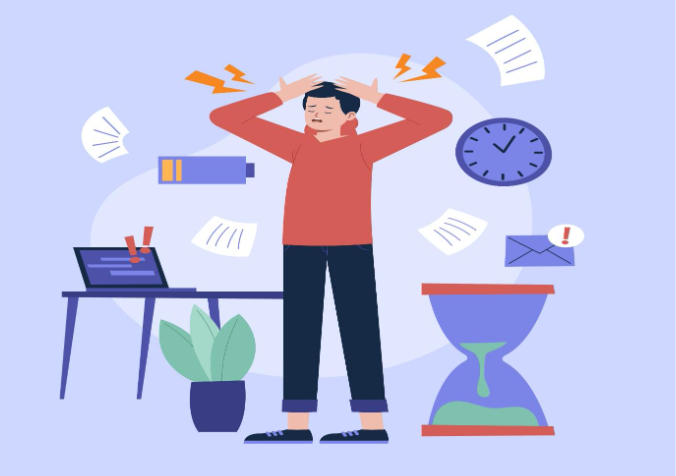
Topics: Regulator Fatigue Strategies
Understanding 3 Key Causes of Regulator Fatigue
Regulator fatigue does not come all at once, but rather accumulates with a combination of systemic, organizational, and personal stress. Recognizing these root causes is the initial point in establishing useful regulator fatigue strategies.
Regulator fatigue is created more often than not by a number of systemic, organizational, and personal contributors:
- Extended work hours & Irregular shifts: extended shifts disrupt regulators’ sleep patterns and internal body clocks by compromising alertness and performance.
- Cognitive Stress: Regulators are under constant pressure to make accuracy-sensitive decisions; mental pressure that slows down the regulators, putting them at risk of being fatigued.
- Lack of Recovery and Breaks: When there are insufficient rest and recover, physical and mental exhaustion are accumulated, and the oversight decreases accordingly. [2]

Recognizing 4 severe effects of regulator fatigue
The effect that fatigue has on regulatory oversight can be dramatic:
- Compromised Decision-Making:
Fatigue affects judgement, delaying reaction time, and makes one prone to making wrong decisions or missing out on something. - High Error Rates in the Oversight Activities:
Fatigued regulators can overlook instances of non-compliance or fail to detect hazards, even more disastrous in sectors related to public safety.
- Poor Health Results:
Prolonged physical and mental fatigue may lead to long-term complications to physical and mental health, such as cardiovascular diseases and declining well-being. - Diminishing organizational performance:
Staffing tends to destabilize, and organizations experience a decline in operational awareness as a result of fatigue, which contributes to the appearance of increased absenteeism, decreased morale, and staff turnover. [3]
Employing 5 practical strategies to overcome Regulator Fatigue
The following are ways through which organizations may proactively address fatigue:
- Equitable Timetables:
Combining a series of night shifts in a row should be avoided, and rest breaks between shifts should be given to enhance recovery.
- Enforce Breaks:
Mental strategy: One of the most effective techniques to help break the mental monotony and fatigue of a long or intense shift is taking breaks quite often.
- Give Fatigue Training:
Training the regulators on signs of fatigue, risk factors, and self-care will help them handle their personal vulnerability beforehand. Implement a Fatigue Risk Management System (FRMS). An organized FRMS introduces data-based solutions (such as fatigue monitoring and risk calculations) to control, predict, and avoid fatigue.
- Nourish an Organizational Culture:
Instil the culture of open discussion on fatigue related issues and make regulators feel free to report or seek help without the fear of being stigmatized. [4]
Outlining the 3 core Pillars of an effective FRMS
A good FRMS system would rely on the three pillars as follows:
- Policy & Governance Structure:
Design effective, legally enforceable fatigue management policies with a defined responsibility and accountability. - Risk ID and assessment:
Use information – such as work hours and shift rotations, as well as fatigue incident reports – to pinpoint the areas where fatigue risks are most acute. - Constant Monitoring and Feedback:
How to initiate Track fatigue indicators, receive reports, and practice adjustment on an ongoing basis becomes a feedback loop of improvement. [5]
Embedding Step 4 to build Sustainable Fatigue-Aware Culture
Any sustainable control of fatigue must be strengthened with culture:
- Leadership Support and Modelling:
Leaders need to set the tone, led by example of managing fatigue, and be seen to be practising healthy work-rest. - Frequent Audits and improvement cycles:
Continuously consider scheduling, fatigue data, and effectiveness of FRMS, make adjustments where necessary. - Enable Open-Questioning:
Encourage those staff to present fatigue related concerns without fear of reprisal, thereby emphasizing a psychologically safe work situation. - Desire for Continuous Learning:
Use lessons learned in fatigue-related incidents to update training, modify policy, and effect cross-functional improvements. [6]

Conclusion
Regulator fatigue is not just a personal problem; it has systemic consequences to the safety of citizens, enforcement probity, and institutional soundness. By recognizing root causes, knowing their effects, and implementing systematic interventions, such as balanced scheduling, training on awareness, and data-driven FRMS, organisations may defend their personnel, as well as others, while promoting compliance team wellness. Incorporation of fatigue management into organizational culture, with the support of the leaders, conducting regular surveillance, freely sharing information, and learning through iterations, maintains long-term diligence and effective surveillance.
References
[1] Image Source: Freepik
[2] Long Work Hours, Extended or Irregular Shifts, and Worker Fatigue.

SEO FAQ Section: Regulator Fatigue Strategies
Q1. What are Regulator Fatigue Strategies?
Regulator Fatigue Strategies are structured methods to reduce exhaustion in regulators, ensuring sharper decision-making and compliance team wellness.
Q2. Why are Regulator Fatigue Strategies important?
They prevent mental overload, improve oversight, and safeguard compliance team wellness across industries.
Q3. What causes regulator fatigue in organizations?
Long shifts, irregular schedules, cognitive stress, and lack of recovery drive the need for Regulator Fatigue Strategies.
Q4. How do Regulator Fatigue Strategies support compliance team wellness?
They balance workloads, enforce breaks, and foster cultures that prioritize employee health.
Q5. What role does sleep play in Regulator Fatigue Strategies?
Adequate sleep schedules are central to reducing fatigue risks and maintaining oversight accuracy.
Q6. How do organizations enforce Regulator Fatigue Strategies?
Through FRMS systems, policy frameworks, regular audits, and cultural reinforcement.
Q7. Can technology improve Regulator Fatigue Strategies?
Yes, fatigue monitoring tools and data-driven systems enhance risk detection and prevention.
Q8. What industries benefit most from Regulator Fatigue Strategies?
High-risk sectors like aviation, healthcare, energy, and financial compliance rely heavily on them.
Q9. How do Regulator Fatigue Strategies reduce human error?
By ensuring rest cycles, training, and monitoring, they cut error rates in oversight tasks.
Q10. What is the link between Regulator Fatigue Strategies and public safety?
Stronger fatigue management reduces compliance lapses, directly protecting citizens.
Q11. What is FRMS in Regulator Fatigue Strategies?
Fatigue Risk Management Systems use data to track, assess, and mitigate fatigue risks.
Q12. How do leaders influence Regulator Fatigue Strategies?
Leadership modeling of healthy schedules strengthens fatigue-aware culture and compliance team wellness.
Q13. Can training improve Regulator Fatigue Strategies?
Yes, training helps regulators identify fatigue symptoms early and adopt coping practices.
Q14. What are organizational culture’s effects on Regulator Fatigue Strategies?
An open culture ensures employees report fatigue concerns without stigma.
Q15. How do audits support Regulator Fatigue Strategies?
Audits measure effectiveness, identify scheduling risks, and guide improvements.
Q16. Are Regulator Fatigue Strategies relevant in remote work?
Yes, remote regulators also face cognitive overload, requiring structured fatigue management.
Q17. How do Regulator Fatigue Strategies prevent staff turnover?
They enhance morale, reduce absenteeism, and promote compliance team wellness.
Q18. How often should Regulator Fatigue Strategies be reviewed?
Quarterly reviews ensure ongoing adaptation to workloads and regulatory risks.
Q19. What health benefits arise from Regulator Fatigue Strategies?
They reduce risks of cardiovascular issues, stress, and long-term burnout.
Q20. How do Regulator Fatigue Strategies connect to organizational performance?
By sustaining alert regulators, organizations strengthen compliance reliability and efficiency.
Penned by Asha Yadav
Edited by Ragi Gilani, Research Analyst
For any feedback mail us at info@eveconsultancy.in
Finance made simple, fast, and fun! 🏦💡 Sign up for your daily dose of financial insights delivered in plain English. In just 5 minutes, you’ll be smarter already!
Simplify Your Business Compliance with Eve Consultancy
Eve Consultancy is your trusted partner for end-to-end compliance services, including Company Incorporation, GST Registration, Income Tax Filing, MSME Registration, and more. With a quick and hassle-free process, expert guidance, and affordable pricing, we help businesses stay compliant while they focus on growth. Backed by experienced professionals, we ensure smooth handling of all your legal and financial requirements. WhatsApp us today at +91 9711469884 to get started.