
Today, in an ever-more interconnected business world, ethical conduct is not merely a company slogan; it is an operational necessity. Companies in all fields are undergoing increasing scrutiny from regulators, investors, and the general public regarding integrity in business practices. The most obvious way to prevent ethical breaches is through anti-corruption training. Realizing these principles in operational work creates a more compliant and less dangerous workforce compliance and nurtures a culture of transparency and accountability.
It is much more about the anti-corruption training that employees are equipped to identify, resist, and report unethical behavior than it is to follow rules. It supports valuable compliance efforts and behavior congruence among employees according to international standards of integrity when done well.
Why is Anti-Corruption Training Important?
Almost all business activities face an irremediably disastrous effect after a single unethical act-including public procurement, international trade, or government relations. Through anti-corruption training, employees gain clear judgment on what comprises bribery, such as fraud, facilitation payments, and conflicts of interest-and capabilities to detect red flags in their normal day-to-day work, as well as a safe channel to report suspicious behavior without fear of retaliation. This is to say that continuous training creates a common language and framework across functions so that departments ultimately come to any ethical decision in a unified manner.
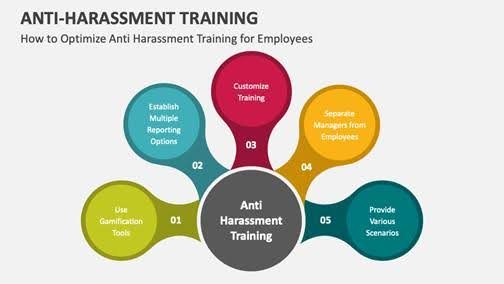
Critical Elements of Efficient Anti-Corruption Programs
An appropriately designed anti-corruption training program would no longer be generic policy awareness. The anti-corruption training should be tailored to the organization in question and address risk areas relevant to the firm in its geographic scope and workforce structure.
Here are some fundamentals:
1.Custom-Made Learning Modules
Use case studies and job-specific examples to make the training relevant. For instance, sales professionals may need to understand how offering gifts can cross ethical lines in certain countries.
2.Interactive and Engaging Formats
Video simulation, quizzes, and role-plays promote great participation and retention. One-way slides are rarely effective in changing behavior.
3.Clear Policies and Consequences
Training should state the expected behavior of employees and outline the consequences resulting from disregard of policies. Policies should be abundantly clear on gift-giving, third-party interaction, and political donations.
4.Leadership Involvement
Executives who actively take part in the anti-corruption training create an impression that ethics matter to them. They should be sharing their experiences and facilitating discussions to instill trust.
5.Reporting Channels with Easy Access
Employees need to know how and where they can report concerns. Anonymous hotlines and non-retaliation policies are the two most critical aspects in sustaining ethical whistleblowing.
Fostering a Culture of Compliance
It means more than just one-time training lessons in anti-corruption activities, into daily practice. It involves persistent reinforcement of the culture where compliance is a shared responsibility among the workforce.
Some strategies Promote Ethical Behavior:
- Internal newsletters or team huddles are sources of reminders.
- Integrating ethics in onboarding programs
- Reward employees who comply with principles.
- Accountability of team leaders towards their team.
In due time, with continuous efforts, compliance culture becomes second nature.
Challenges in the Implementation of Anti-Corruption Training
However, business firms understand ethics as affecting the training aspect:
– Overall Consistency: Whereas multinational organizations are obliged to unite the required training across differences, personal cultures influence awareness and the level of compliance with various laws.
– Language Barriers: Relevant materials need localization to exemplify employability in achieving intent and understanding.
– Engagement: Alienating employees from the process would render the entire message ineffective due to repetitive and bland content.
– Resource Constraints: The majority of small businesses have a limited staff or tools to engage effectively in compliant knowledge sharing.
Solving Challenges Required Top Corporate Commitment, Budgets Invested into Scalable Training Technologies, and Periodic Re-evaluation of Training Strategies
Conclusion: Empowering Ethical Workforces
In the long term, anti-corruption training is not merely an obligation by way of workforce compliance; rather, it is an investment strategy. Training and empowering employees with the right knowledge would lay a strong platform of success for long-term profitability in business. This training would form the bedrock foundation of the workforce compliance, implying ethical growth, enhancing brand reputation, and enabling seamless operations in the global markets.
In a future world where most companies carve their pathways to resilient organizations, ethics shall be what separates good from great. By continuous, meaningful anti-corruption training to meet regulatory expectations, businesses can nurture a culture in which taking shortcuts is not valued. By putting at the heart of business strategy anti-corruption training and workforce compliance, the organizations can reduce the legal risks and also create an ambiance of trust in stakeholders, investors, and employees.
Works Cited
- Transparency International. “Corruption Perceptions Index 2023.” Transparency.org, 2023.https://www.transparency.org/en/cpi/2023
- OECD. “Anti-Corruption and Integrity in the Public Sector.” OECD Reports, 2022.
https://www.oecd.org/governance/ethics/ - United Nations Global Compact. “Fighting Corruption in the Supply Chain.” UNGC Publications, 2022.https://www.unglobalcompact.org/library/749
- Ethics & Compliance Initiative (ECI). “Global Business Ethics Survey 2023.” ECI.org, 2023.https://www.ethics.org/global-business-ethics-survey/
- World Economic Forum. “The Business Case for Anti-Corruption Compliance.” WEF Insight Report, 2021.https://www.weforum.org/reports/the-business-case-for-anti-corruption-compliance/
FAQ: Training Employees on Anti-Corruption Measures
Q1. What is Anti-Corruption Training and why is it important?
Anti-Corruption Training equips employees to identify, resist, and report unethical practices. It builds integrity, ensures compliance, and safeguards reputation.
Q2. How does Anti-Corruption Training support workforce compliance?
It creates awareness of ethical standards, ensures adherence to policies, and builds a culture of accountability across teams.
Q3. What are the key elements of effective Anti-Corruption Training?
Clear policies, interactive learning, leadership involvement, and accessible reporting channels are vital for effective Anti-Corruption Training.
Q4. Who should undergo Anti-Corruption Training in a company?
All employees, from frontline staff to executives, must participate to ensure consistency in workforce compliance and ethical practices.
Q5. How often should Anti-Corruption Training be conducted?
Ideally, training should be conducted annually with refresher sessions to reinforce policies and keep up with regulatory updates.
Q6. Can Anti-Corruption Training prevent bribery and fraud?
Yes, Anti-Corruption Training educates employees on red flags, reporting mechanisms, and practical strategies to prevent bribery and fraud.
Q7. How does Anti-Corruption Training impact company reputation?
It builds investor trust, strengthens credibility, and demonstrates commitment to ethical business practices, enhancing overall reputation.
Q8. What role does leadership play in Anti-Corruption Training?
Leadership participation in Anti-Corruption Training reinforces values, motivates employees, and shows that ethics are a top priority.
Q9. How does Anti-Corruption Training align with international standards?
It follows global frameworks like OECD and UNGC, ensuring businesses meet international integrity and compliance requirements.
Q10. What challenges do companies face in Anti-Corruption Training?
Challenges include language barriers, limited resources, low engagement, and ensuring consistency across global teams.
Q11. How can small businesses implement Anti-Corruption Training?
Small businesses can use scalable e-learning modules, case studies, and localized training to meet compliance without heavy costs.
Q12. What are the consequences of not conducting Anti-Corruption Training?
Companies risk legal penalties, reputational damage, financial losses, and increased corruption risks if training is ignored.
Q13. How does technology improve Anti-Corruption Training?
Digital tools, simulations, and role-play activities make Anti-Corruption Training interactive, engaging, and effective in retention.
Q14. How does Anti-Corruption Training encourage whistleblowing?
It provides employees with safe reporting channels, anonymous hotlines, and clear non-retaliation policies to report concerns.
Q15. Why is continuous Anti-Corruption Training better than one-time sessions?
Continuous training reinforces compliance culture, adapts to new risks, and ensures long-term workforce compliance and ethical growth.
Penned by Nishita Kumari
Edited by Sneha Seth, Research Analyst
For any feedback mail us at info@eveconsultancy.in
Finance made simple, fast, and fun! 🏦💡 Sign up for your daily dose of financial insights delivered in plain English. In just 5 minutes, you’ll be smarter already!
Simplify Your Business Compliance with Eve Consultancy
Eve Consultancy is your trusted partner for end-to-end compliance services, including Company Incorporation, GST Registration, Income Tax Filing, MSME Registration, and more. With a quick and hassle-free process, expert guidance, and affordable pricing, we help businesses stay compliant while they focus on growth. Backed by experienced professionals, we ensure smooth handling of all your legal and financial requirements. WhatsApp us today at +91 9711469884 to get started.