
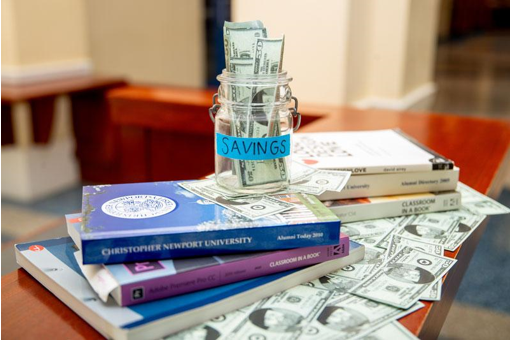
Textbook prices are still a big problem for students in 2025. Save money on textbooks is a top priority for students in 2025, as the cost of learning materials continues to rise each year. Many college and university students find themselves spending hundreds of dollars per semester on required books, adding extra financial stress to already tight budgets. The good news is that there are smarter ways to save money on textbooks without compromising education quality. By exploring strategies like renting, buying used, switching to digital editions, or using Open Educational Resources (OER), students can significantly cut costs. Learning how to manage textbook expenses also builds better budgeting habits, helping students stay financially prepared for future challenges. This guide shares practical, student-friendly strategies to make textbooks more affordable while ensuring academic success. There are good ways to save money on textbooks without hurting your grades, which is a good thing. Students can also get better at budgeting by making smart choices and planning ahead. This article talks about useful ways for students to save money on textbooks and get the most out of their education.
5 Methods of Save money on textbook in 2025
The Rising Cost of Textbooks
Over the past ten years, the cost of textbooks has steadily increased. A single textbook can occasionally cost hundreds of dollars, placing additional strain on already limited funds. Saving money on textbooks is therefore an essential objective for students who wish to practice responsible money management. Students can save money on textbook with better decisions when buying or renting materials if they are aware of the factors that influence these costs, such as bundled online access codes and frequent new editions.
Buy Used or Rent Instead of Buying New
Avoiding the purchase of new books is one of the easiest ways to save money on textbook. Used textbooks are available at substantial savings at a number of campus bookshops and online merchants. Another great way to save money on textbooks is to rent them, either digitally or physically. Students can still access the required material for the semester by renting books, which are frequently much less expensive than new books.
To find the best deal, students should compare prices on various platforms, including Amazon, Chegg, and campus-specific services. Getting the best deals before the semester begins can also be achieved by being proactive and starting your shopping early.
Explore Digital and Open Educational Resources (OER)
The way student’s access academic materials has been completely transformed by digital textbooks and open educational resources. Compared to printed books, digital versions are frequently less expensive, and many have interactive elements that improve learning. OERs, or openly licensed educational resources, are also becoming more and more well-liked. OERs are now widely used in courses at many universities to help students save money on textbooks without sacrificing quality.
Students can check repositories like OpenStax and OER Commons or ask instructors if there is an OER or free alternative for the course. This tactic supports academic needs while significantly reducing expenses, which is consistent with wise student budgeting.
Share and Collaborate with Peers
Working with classmates is another good way to lower the cost of textbooks and increase save money on textbooks. Students can share the cost of books and use them all semester, or they can form study groups and use the same resources. Some libraries even have course reserves, which let students borrow textbooks for a short time each day. This method not only encourages teamwork but also helps save money on textbooks.
Students should also think about joining social media groups or forums where they can buy, sell, or trade used books with other students, often for much less money.
Plan Ahead and Communicate with Professors
Planning ahead is important for both saving money on textbooks and making a budget that works for students. Students should look over the syllabus for the next semester at the end of each semester, if they can, and figure out what materials they need. If you ask your professor early enough, they will often suggest cheaper options, older editions, or even free resources.
Another way to get some money back is to sell your textbooks back at the end of the semester. Taking care of books makes them worth more when you sell them, which helps students get some of their money back and makes it easier to budget in the future.
Conclusion
It is possible to save money on textbook in 2025 with the correct strategies and mentality. Whether they go the route of buying used or renting or exploring a new generation of low-cost digital solutions and even working with other students, they can cut costs and become more budget-savvy as students. The result: students don’t have to stress as much about their finances, so that they can focus on their education. But hey, textbooks savings and smart student budgeting are besties—get a jump on these tactics now to maximize your academic career.
FAQs: How to Save Money on Textbooks in 2025
1. Why is it important to save money on textbooks in 2025?
In 2025, textbook prices remain a big financial burden for students. A single new book can cost several thousand rupees or over $100 in the U.S. That’s why learning how to save money on textbooks is crucial for students who are already dealing with tuition fees, living costs, and other academic expenses. Saving on textbooks helps students free up their budget for essentials like food, rent, or online learning tools. Beyond finances, smart strategies for textbook savings also teach valuable budgeting skills that will help students long after graduation.
2. What are the best ways to save money on textbooks as a student?
The best ways to save money on textbooks include buying used books, renting instead of purchasing new, exploring digital versions, and checking for free Open Educational Resources (OER). Many students also share books with classmates, borrow from libraries, or resell their textbooks at the end of the semester. A smart student often combines these strategies—for example, renting two books, buying one used, and downloading free OER materials. The key is to compare prices and plan ahead before the semester begins.
3. How can renting textbooks help students save money?
Renting is one of the most reliable ways to save money on textbooks because it often costs 50–70% less than buying a new copy. Online platforms like Amazon, Chegg, and even university bookstores now offer semester-based rentals in both digital and physical formats. Renting ensures that students have access to the required material at a fraction of the cost. While students don’t get to keep the book, the savings are worth it—especially for general education courses where the book may never be used again.
4. Can digital textbooks help students save money on textbooks?
Yes, digital textbooks are often significantly cheaper than printed editions. They not only help students save money on textbooks but also provide added convenience. Many e-books come with interactive features like searchable text, note-taking tools, and built-in quizzes. Students don’t have to carry heavy books around, and they can often rent digital copies for just a few dollars. Universities are increasingly promoting e-books because they are cost-effective and sustainable, making them one of the best modern solutions for cutting textbook costs.
5. What role do Open Educational Resources (OER) play in saving money?
Open Educational Resources (OER) are free, openly licensed educational materials available online. Using OER is one of the most effective ways to save money on textbooks because students pay nothing for access. Many professors are now designing their courses around OER platforms like OpenStax and OER Commons. These resources cover a wide range of subjects, from math and science to humanities and business. By switching to OER, students can eliminate textbook costs entirely while still benefiting from high-quality, peer-reviewed materials.
6. Are used textbooks still a good way to save money on textbooks in 2025?
Absolutely. Used books continue to be a student’s best friend when trying to save money on textbooks. Online marketplaces, campus bookstores, and even social media student groups are filled with gently used copies. Buying a used textbook can reduce costs by 40–60% compared to new editions. Since most college courses update books only slightly each year, older editions of textbooks can often be used without losing valuable content. Students just need to confirm with professors if older versions are acceptable before buying.
7. How can students plan ahead to save money on textbooks?
Planning ahead is a powerful strategy to save money on textbooks. Students should start by reviewing their course syllabus as early as possible. This allows them to identify required materials and search for affordable options before prices rise during peak season. Many professors will confirm if earlier editions or OER versions are acceptable alternatives. By planning in advance, students also have time to compare prices across multiple platforms and even coordinate with peers to share or split costs.
8. Is it possible to save money on textbooks by collaborating with peers?
Yes, collaboration is an underrated way to save money on textbooks. Students can share the cost of a book and take turns using it. Study groups also make it possible for one student to purchase a book and share notes with others. Additionally, campus libraries often keep textbooks on reserve, allowing multiple students to access them for short study sessions. Many students also join online forums or WhatsApp groups where they buy, sell, or trade used books at discounted rates, making collaboration a cost-effective strategy.
9. Should students sell their textbooks after the semester to save money?
Selling textbooks after the semester is a great way to recover some of the initial cost. While this doesn’t directly save money on textbooks at the time of purchase, it reduces the net cost in the long run. Keeping books in good condition increases their resale value. Online platforms and campus buyback programs make reselling easy. Students who plan carefully can often get 30–50% of their money back, making this strategy part of an overall textbook-saving cycle.
10. What websites and platforms help students save money on textbooks?
Several platforms make it easier to save money on textbooks in 2025. Popular sites include Amazon Textbook Rentals, Chegg, BookScouter, and eBay for used and rental options. OpenStax and OER Commons are excellent for free alternatives. Campus bookstores also offer rental programs and used copies.
Penned by Simardeep Singh
Edited by Abhinav Asthana, Research Analyst
For any feedback mail us at info@eveconsultancy.in
Finance made simple, fast, and fun! 🏦💡 Sign up for your daily dose of financial insights delivered in plain English. In just 5 minutes, you’ll be smarter already!
Simplify Your Business Compliance with Eve Consultancy
Eve Consultancy is your trusted partner for end-to-end compliance services, including Company Incorporation, GST Registration, Income Tax Filing, MSME Registration, and more. With a quick and hassle-free process, expert guidance, and affordable pricing, we help businesses stay compliant while they focus on growth. Backed by experienced professionals, we ensure smooth handling of all your legal and financial requirements. WhatsApp us today at +91 9711469884 to get started.