How to start an export business in India is an important question for entrepreneurs who want to reach international customers and grow beyond the domestic market.
For a business the idea of selling overseas can feel like a distant dream. With marketplaces, simple shipping and more people liking Indian products the chances to export can bring good results later. Whether you make handicraft, sell designer clothes, sell packaged food or offer services people outside the country will want your product or service.
Source : Open AI
You do not need a business to begin exporting but you must have a clear plan to move through the world market and choose good partners. Let us look at the parts of a business’s export activity and the steps it must do before diving in.
Table of Contents
1. How to Start an Export Business: Choose the Right Product and Market
The first thing a small business should think about before exporting goods or services is what it really wants to sell and where. Indian businesses have options for choosing a niche because different countries need goods and services. The entrepreneur should research the market to find out which products are needed, how competition there is, what rules exist for that niche and how best to position themselves. Handmade accessories for example may sell well. You must know what price range is right in the target market and what the specific wants for such a product are.
It is also wise to check the government’s foreign trade resources to learn about export chances in India and any special rules for a business. One should also know what role the company has in the market and what strengths it has over rivals.
2. Register Your Company for Exports
Once a small business owner knows what to sell and to whom the next step is to make the needed arrangements and register the business for exports. Businesses in India must have a PAN card, a business bank account and an Importer-Exporter Code (IEC) unless they are exempt. The IEC number is applied for with the Directorate General of Foreign Trade (DGFT). One should also learn about taxes, licences and other papers needed for exporting goods or services. Do not spend time and money on steps or on paying consultants. Take time to learn everything about duties through the government’s website.
3. Find International Buyers
After choosing a product and registering it it is time to find buyers. Small businesses can start searching for clients on business‑to‑business marketplaces, attend trade shows, arrange meetings with buyers and sellers and use available tools. Having a website and a clean digital catalog is essential for selling. Keep all the needed information ready: product descriptions, specifications, photos and order details for customers. Respond quickly. Be ready to explain more about the product, its quality, quantity, delivery time and payment terms.
Always check the contact details of buyers before sending any goods because many scammers exist. Ask for information and research clients before losing products.
Source : Open AI
4. Determine Your Costs and Set Prices
While selling overseas may seem great for growing the customer base small businesses must know that exporting can bring costs in addition to manufacturing expenses. When setting the price for a client include all costs: packing, shipping, insurance if needed, customs duties, documents and currency conversion. Make a list of all expenses. Double‑check with shipping companies in the target market. Discuss payment methods and terms; for sales decide who pays for shipping and insurance and clarify responsibilities.
If you want overseas buyers to be interested, a good strategy is to set the price higher than what you would charge in your own market. Keep in mind that a lower price also means the profit margin will be higher. Always count all the costs before you decide on a price. Then set a price for your product or service. If you are thinking of selling a niche product to a distributor at a price carefully check whether extra costs for delivery or shipping will appear.
5. Learn About Export Formalities and Shipping
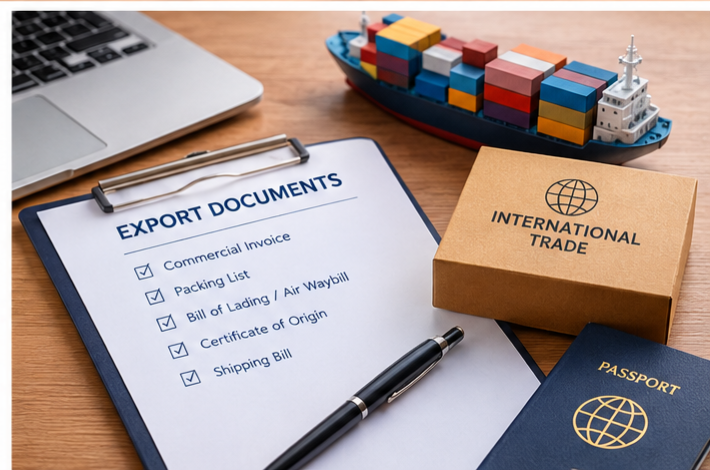
International sales bring documents that might need to be sent to authorities. The common documents are an invoice, a packing list, a shipping bill and an air waybill or bill of lading for goods that travel by air. Other certificates, such as inspection or origin certificates may also be required, depending on the product, where it is going and how it is shipped.
Documentation can look like a job for a business owner but in reality international sales only need a general understanding of the export process and the papers that belong to the goods, market and niche. A small business owner should talk to professionals who work in courier services or customs.
These experts can make shipping easier. Help avoid problems with documents. Before you finish an order, check every detail with the buyer. I always double‑check to make sure nothing is left out. Do not leave any question unanswered about the product or about how it is packed. In cases shipping companies and couriers will work only with the foreign client. Therefore it is essential to talk to the shipping company and explain all the documents and steps.
Good small business financial planning helps exporters estimate costs, manage cash flow, and set sustainable prices.
6. Collect Payments. Maintain Relationships
The last part of sales is how payments are made and how the relationship with the client is kept. A small business should decide on the currency and the payment method before the order is finished. The entrepreneur should set the deadlines, give the bank details and state the penalties for payments. The entrepreneur can also choose documentary collections, advance payments or letters of credit. These options give a guarantee to the buyer.
Everything depends on the client. It depends on how big the order’s. Small businesses should talk with their bank about trade credit insurance if they need it. Keeping relationships with clients is very important. So always meet all requests. Never be late with deliveries. Always try to give high‑quality goods or services so that foreign customers want to buy and share stories about the small business with their friends.
Source : Open AI
Reference:
[1] Ministry of Commerce and Industry, Government of India, “Guide to Exporting: How to Start.” [Online]. Available: https://indbiz.gov.in/trade/guide-to-exporting/how-to-start/
[2] Directorate General of Foreign Trade, Government of India, E-Commerce Exports Handbook for MSMEs. [Online]. Available: https://content.dgft.gov.in/Website/EcommExportHandbookMSME_E.pdf
[3] Ministry of Commerce and Industry, Government of India, “Export Process.” [Online]. Available: https://indbiz.gov.in/trade/guide-to-exporting/export-process/
Reports:-
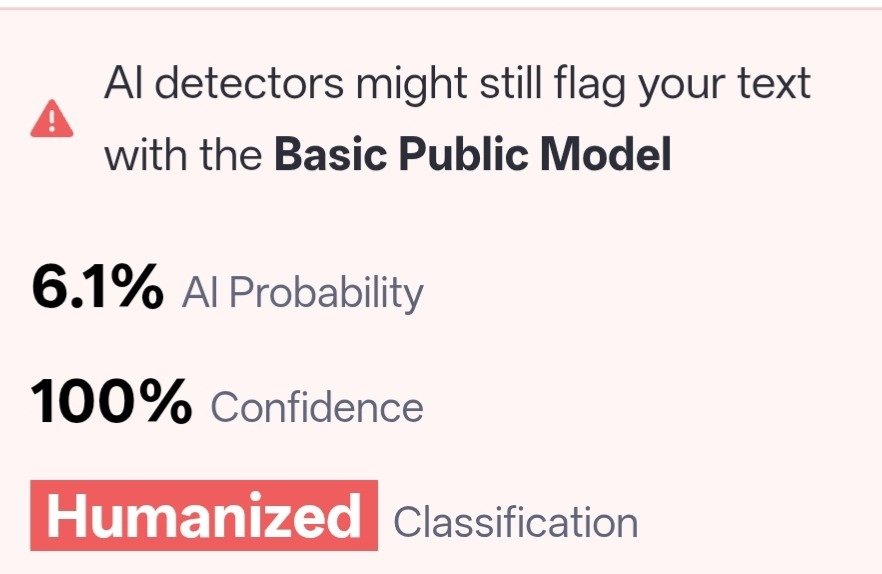
AI detection report ( zero gpt)
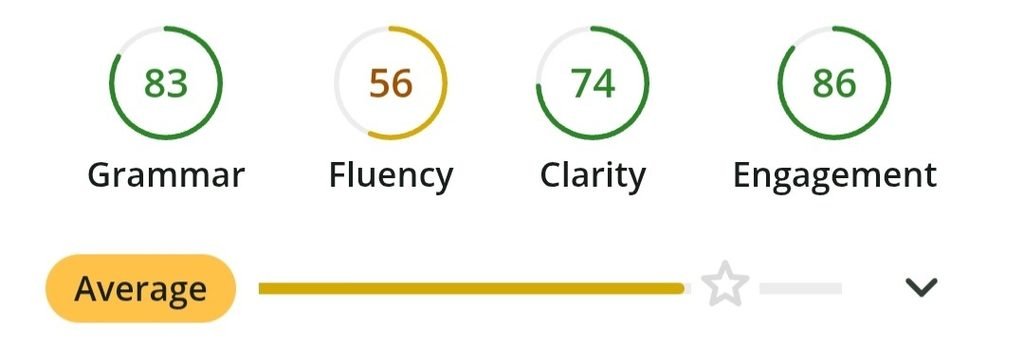
Grammar Report
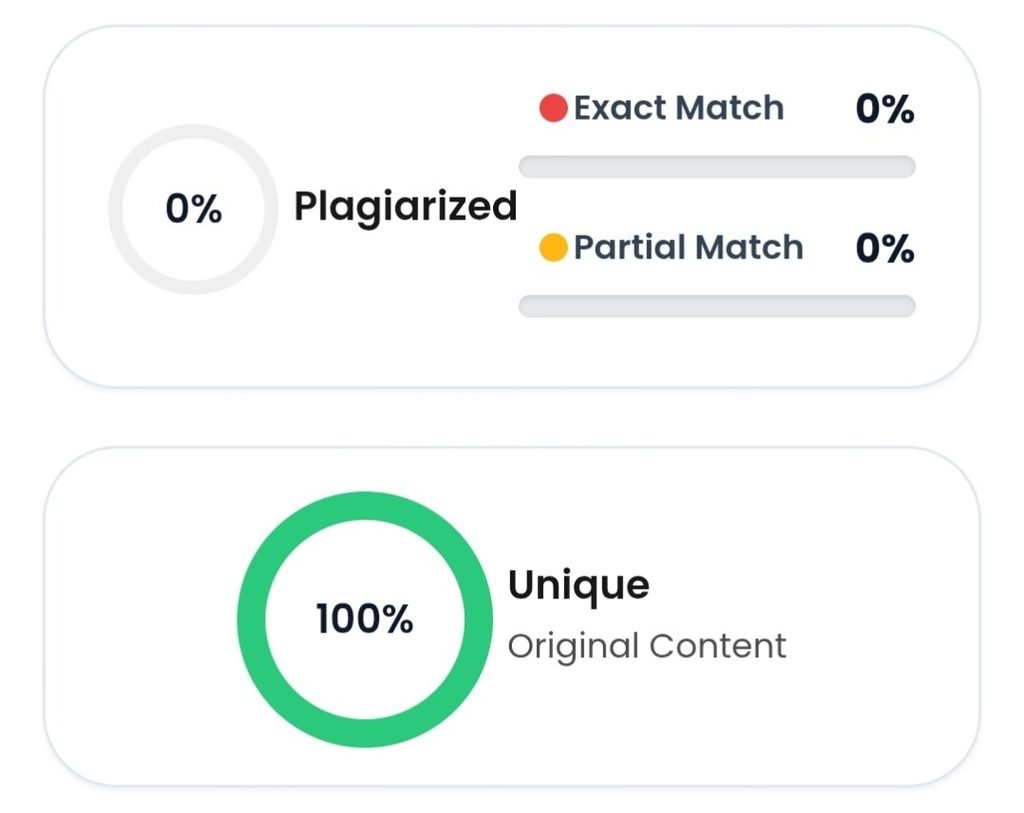
Plagiarism Report: