Startup Tax Planning Entrepreneurship entails costs, including taxation. Startup tax planning helps new businesses manage costs, avoid penalties, and use resources efficiently. It is important to note that tax planning by a startup does not involve tax avoidance but rather a clear understanding of the process involved.
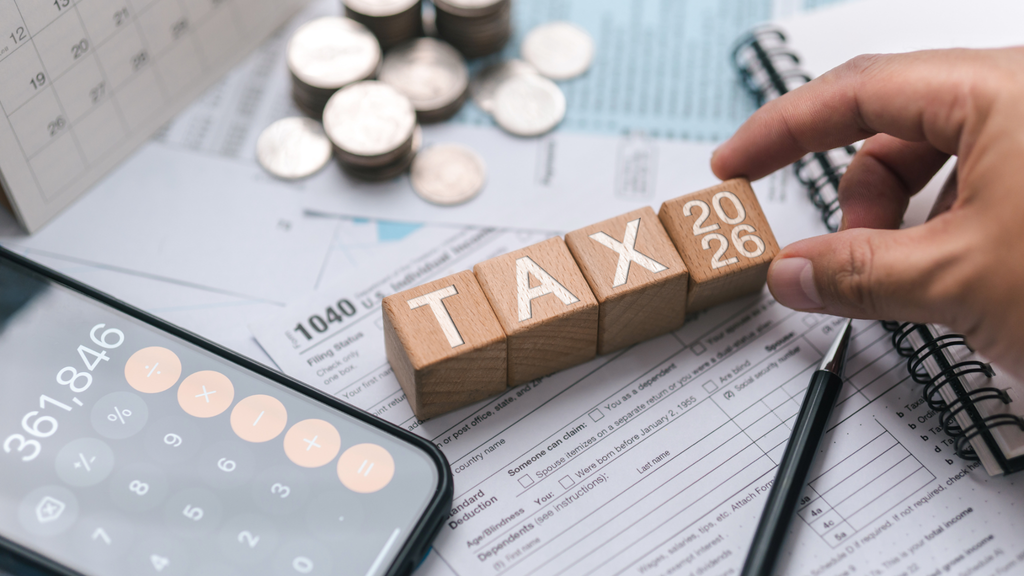
Image Source : Agemy Financial Strategies
1. Startup Tax Planning Choose the Right Business Structure
Whether a new business is created as a sole proprietorship, partnership, LLP, or limited company affects how it is taxed. Every legal form has its own taxation, compliance, and expense requirements. Thus, entrepreneurs should consider their goals, funding sources, and expected income to choose the appropriate form.
2. Startup Tax Planning Check Eligibility for Startup Tax Benefits
Eligible startups can avail themselves of some special tax benefits under the schemes of the Government. For instance, those startups which have been classified as such under the Department for Promotion of Industry and Internal Trade (DPIIT) might be eligible for claiming deductions under Section 80-IAC, depending on the conditions and other related aspects. The founders need to consider the current requirements rather than assuming that all registered startups get tax benefits by default.
3. Startup Tax Planning Keep Track of Business Expenditures
In order to be eligible for tax breaks, it is necessary to keep track of the expenditures associated with running the business. Thus, expenditures on office rental, software, internet, marketing, salaries of employees, etc., must be carefully accounted for. Keeping invoices, bills, and records of payments will help in identifying the expenditures eligible for tax deduction.
4. Startup Tax Planning Claim Eligible Business Deductions
Deductions which could be claimed as legal deductions while computing tax payable should be calculated by businesses. This could involve deductions such as costs of employees who meet the criteria for deductions, rent payments, professional service charges, monthly subscriptions to software services and marketing expenses. However, this depends on the kind of expenditure and tax rules.
5. Startup Tax Planning Plan the Timing of Major Purchases
There might be occasions when your startup needs to purchase certain machines or equipment for your business activities. Careful planning of such purchases will enable you to know the effect of the purchase on the taxes to be paid and how the purchase affects your financial planning and budgeting. There are certain assets which are subject to depreciation and not deduction.
6. Startup Tax Planning Manage Founder Salaries and Payments Carefully
Founders must consider how they are going to get paid in terms of salary, remuneration or any other form of payment that is allowed. Different structures have varied tax and compliance obligations when it comes to founder payments. Proper documentation and reasonable payments by the founders and associated parties help in avoiding problems during tax calculations.
7.Startup Tax Planning Learn about GST Registration and Input Tax Credit
New business enterprises that provide goods and services must know when it is compulsory to register for GST and if there are any exceptions for their business. In addition, eligible registered businesses are entitled to take advantage of the input tax credit on purchases made for their business use according to GST rules.
8. Keep Business and Personal Finances Separate
Using different bank accounts and payment methods for transactions will simplify the process of accounting for income, expenditure, and investments. The merging of personal and business expenditure makes it difficult to recognise allowable expense items as well as record-keeping. Separate bank accounts make the accounting process simpler and more efficient for accurate preparation of financial reports.
9. Tax Deadlines Monitoring and Advance Tax Requirement
Failure to make payments and meet the deadlines may attract penalties. Entrepreneurs are supposed to use an income tax return schedule as well as a GST return schedule in order to determine whether any advance tax is due.
10. Review Tax Planning Throughout the Year
The timing of tax planning shouldn’t be limited to the end of the financial year. Founders need to analyse their income, expenditure, profit, capital and investment plans every now and then. Quarterly assessment may enable the founders to assess their tax liabilities at an early stage and incorporate this into their financial plans. Consulting with a tax specialist upon changes in the business situation may also assist them in taking decisions in compliance with the applicable tax laws.
Conclusion
Tax planning is one of the critical components in the proper management of a startup. Proper selection of a corporate structure, keeping proper documentation, deducting eligible expenses, and filing taxes are some of the ways to make sure that founders have their finances in order. In addition, regular tax planning for startups would go a long way in helping them cut down unnecessary costs and grow.
References
[1] Kaufman Rossin, 10 tax considerations for startups and early-stage companies, February 9, 2024.
https://kaufmanrossin.com/blog/10-tax-considerations-for-startups-and-early-stage-companies
[2] ltax consulting, 10 Tax Planning Strategies for Small Businesses and Entrepreneurs in 2025, November 06, 2025.
[3] incorpx, 7 Legal Tax-Saving Strategies Every Startup Founder Should Use, 10 February 2026.
https://www.incorpx.io/blog/startup-tax-saving-strategies-india
[4] Internal Link: Add Post ‹ Eve Consultancy — WordPress