
5 Load Balancing Algorithms for Smarter IT System Optimization
Published: Aug 16, 2026
Key Highlights
- Load balancing distributes the load equally among the servers to prevent overloading.
- The static load-balancing algorithms include Round-Robin, while the dynamic load-balancing algorithms include least connections and resource-based ones.
- Load balancing based on optimization and hybrid algorithms ensures low latency and minimum energy consumption.
- Integrating load balancing with health checks and autoscaling is essential for modern IT system optimization.
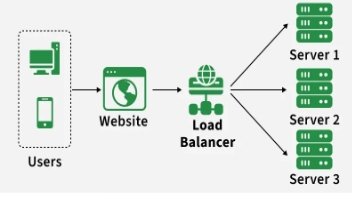
Load balancing techniques form the core of current-day information technology systems, subtly directing the process of distributing requests among servers for optimal efficiency and reliability. In today’s sophisticated architectures that involve cloud computing environments, internet services, and enterprise-level applications, load balancing cannot be overlooked or taken lightly; rather, it is indispensable.
Why load balancing matters
The process of distributing network traffic to various backend servers to ensure that none becomes a bottleneck is known as load balancing. When performed in a correct manner, this will have positive impacts on such crucial elements as availability, latency, and server overload. The proper usage of the load-balancing process will facilitate the proper alignment between workloads and available resources, thus leading to improved throughput.
Common load-balancing algorithms
Several well‑known load balancing algorithms are used today, broadly categorized into static and dynamic schemes. The static scheduling algorithms, including Round-Robin and Weighted Round-Robin, assign requests in either a fixed order or proportionate order. Although easy to use, they do not react as fast to changes in the number of requests coming.Dynamic scheduling algorithms change their approach in response to real-time conditions on servers. These include:
The use of hybrid methods, including the use of metaheuristic techniques such as ACO and BBO, optimizes load balancing by looking at the assignment of servers as an optimization process, minimizing the response time and energy consumption.
Integrating algorithms into IT optimization
In terms of optimization, the load balancing algorithm selected plays a significant role in the calculation of key performance indicators such as request latency, server utilization, and recovery time in case of failover. Modern computing systems make use of several algorithms simultaneously, for example, Round Robin at regular times, but Least Connections in cases of sudden bursts of traffic.
Load balancing is also integrated with other features such as autoscaling and health checks to enable flexibility and scalability, depending on demand, without compromising the performance of the end users. This tight coupling between load balancing and resource management is a hallmark of next‑generation IT optimization strategies.
Conclusion
A load-balancing algorithm is an essential technique that can be used to enhance today’s IT infrastructure by turning server power into service. It is feasible that an organization can benefit greatly from choosing the most suitable load-balancing algorithm and its proper execution.
Frequently Asked Questions
What is load balancing?
Load balancing distributes incoming network traffic across multiple servers to improve performance and prevent overload.
Why is load balancing important?
It enhances system availability, reduces latency, and ensures efficient use of server resources.
What are load-balancing algorithms?
They are methods used to determine how incoming requests are distributed among available servers.
What is Weighted Round Robin?
It distributes requests based on server capacity, giving more requests to stronger servers.
hat is the Least Connection algorithm?
It sends new requests to the server with the fewest active connections.
How does Least Response Time routing work?
It directs traffic to the server with the fastest response time.
How does load balancing support IT optimization?
It improves server utilization, minimizes latency, supports autoscaling, and enhances system reliability.
What are hybrid load-balancing techniques?
Hybrid techniques combine multiple algorithms and optimization methods (such as ACO and BBO) to improve efficiency and reduce response time.
What is Resource-Based Routing?
It distributes traffic based on available server resources such as CPU, memory, and processing capacity.
What are the benefits of choosing the right load-balancing algorithm?
The right algorithm improves application performance, ensures scalability, reduces downtime, and delivers a better user experience.
Statutory Citations & References
[1] M. Bashir, “Load Balancing Algorithms,” GeeksforGeeks, 2024. Available: https://www.geeksforgeeks.org/system-design/what-is-load-balancer-system-design/
[2] Gcore, “Load Balancing Algorithms: Types, Benefits, and Best Practices,” 2025. Available: https://gcore.com/learning/load-balancing-algorithms
Maximize Your Business Potential
Looking for a partner to advise on GST, ITR, Business Registration, or Financial Strategy? Our experts ensure your compliance is seamless and your solutions are optimized.
Book a Strategy ConsultationEve Finance: Your Daily Financial Eve-olution!
Finance made simple, fast, and fun! 🏦💡 Sign up for your daily dose of financial insights delivered in plain English. In just 5 minutes, you’ll be smarter and better!