
RBI Intervenes as Rupee Slides: What the Central Bank’s Currency Defence Means for Interest Rates and Markets
Published: Jun 25, 2026
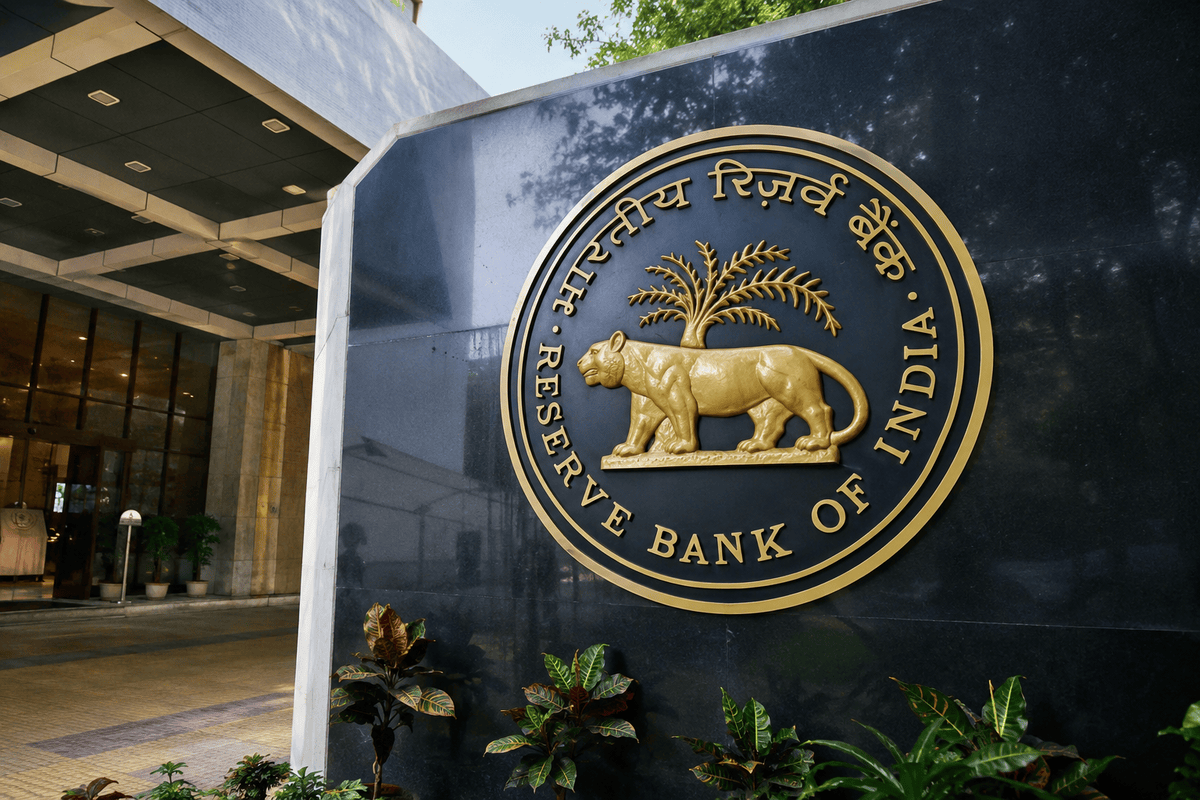
The very peculiar fall in the Indian rupee has again pushed the Reserve Bank of India into active market defense mode, forcing investors, bankers, and businesses to closely keep an eye on every move made by the central bank. As the exchange rate between the rupee and the US dollar continues to weaken, the RBI intervention becomes far more than just a currency management exercise.
It turns into a balancing act involving inflation, foreign investments, economic growth, and bonds. In recent years, the world has been uncertain because of crude oil prices and tensions between countries. This has made the dollar stronger worldwide. As a result, currencies of emerging markets like the rupee are under pressure. When the rupee falls quickly, it costs more to import things. This is especially true for oils, electronics, and machinery. These increased costs eventually lead to inflation in the economy.
To prevent people from panicking and to stop changes in the value of the rupee, the Reserve Bank of India intervenes. It does this by selling dollars from its foreign exchange reserves and buying rupees in the market. This is called RPI Intervention. The goal is to calm the market and prevent volatility. The RBI uses its foreign exchange reserves to support the rupee. It sells dollars. Buys rupees to achieve this.
This helps to stabilize the value of the rupee. This action makes more people want to buy the currency, which helps keep the exchange rate steady for a little while. Keeping the rupee strong is costly and cannot go on forever without any issues. India has a lot of foreign exchange reserves. They are not unlimited. The markets keep an eye on how much the Reserve Bank of India (RBI) uses them. If traders think that the reserves are being used up fast, they might start to speculate more.
That is why the RBI often uses a combination of action and indirect messages to calm the markets. These messages can be things like making it harder for banks to borrow money, changing how bond operations work, or making statements to reassure the markets. This way, the RBI can help keep the markets calm without using up all the reserves quickly. The RBI and the rupee are closely watched by the markets. The RBI has to be careful in its actions to keep the rupee stable.
The financial impact of the Reserve Bank of India intervention is really important when we talk about interest rates. When the rupee falls, it can cause inflation because India buys a lot of things from other countries. We buy things, like oil and industrial supplies, from these countries. These things are priced in dollars. So when the rupee falls, the same things cost rupees. This can cause inflation. If inflation gets too high, the Reserve Bank of India may have to keep interest rates high for a time.
The Reserve Bank of India does this even if the economy of India is not growing fast. The Reserve Bank of India has to do this to control inflation in India. This is a decision. Higher interest rates can help the exchange rate by getting foreign investors to put their money in India’s debt markets.
They also make it more expensive for businesses and people to borrow money. This means that home loans, loans, startup financing, and even government borrowing become more expensive. The stock market usually gets nervous because investors worry about the economy growing. They also worry that there will be money to lend. When the dollar gets stronger, foreign investors often take their money out of countries like India. This puts pressure on the rupee and the stock market. The Reserve Bank of India stepping in is like a safety net for the markets.
A stable currency tells investors that India’s economy is under control. There is another thing to think about. If the Reserve Bank of India defends the rupee too much, it can reduce the amount of money in the banking system. This happens because it absorbs rupees when it sells dollars. It can make it harder for people to get loans. It can also push short-term interest rates up. To fix this, the Reserve Bank of India sometimes adds money to the system.
It does this by buying bonds or doing repo operations. The Reserve Bank of India has to do things at the same time. It has to manage inflation. It has to stabilize the exchange rate. It has to help the economy grow. It has to keep investors confident. The Reserve Bank of India’s role is very critical in managing the economy and keeping investors confident. The economy and investors are very important for India’s growth.
This is why the markets pay much attention to what the Reserve Bank of India says, and even small changes in what they say can be seen as signs of what they will do with interest rates in the future. The Reserve Bank of India is like a team that has to play games at the same time, and it has to make sure that it does not make any mistakes. The Reserve Bank of India has to be very careful when it makes decisions about the Reserve Bank of India’s intervention.
For traders, policymakers, and households, one thing is certain. Currency defence is not a technical job for central banks anymore. It is now a force that affects financial markets. People are starting to understand that currency defence is not something that happens behind closed doors. It is out in the open. Has a big impact on the economy. This change means that currency defence is now a player in modern financial markets. It drives the markets. Everyone is watching. The message is clear: currency defence matters.
Frequently Asked Questions
What is RBI intervention, and why is it important?
RBI intervention refers to the Reserve Bank of India’s actions in the foreign exchange market to stabilize the rupee by buying or selling foreign currency. It is important because it helps reduce excessive currency volatility, control imported inflation, and maintain confidence in India’s financial markets.The Reserve Bank of India (RBI) intervenes in the foreign exchange market to reduce excessive volatility in the rupee. It typically sells US dollars from its foreign exchange reserves and buys rupees to stabilize the currency, maintain investor confidence, and limit imported inflation.
How does RBI intervention affect the value of the rupee?
RBI intervention supports the rupee by selling US dollars from India’s foreign exchange reserves and buying rupees. This increases demand for the domestic currency, helping to limit sharp depreciation and maintain orderly market conditions.
Can RBI intervention prevent the rupee from falling permanently?
No. RBI intervention can reduce short-term volatility and slow the pace of depreciation, but it cannot permanently stop the rupee from weakening if global economic conditions, capital flows, or domestic fundamentals continue to put pressure on the currency.
How does RBI intervention help control inflation?
RBI intervention helps reduce inflation by limiting excessive depreciation of the rupee, making imported goods such as crude oil, machinery, and electronics less expensive than they would be with a sharply weaker currency.
Does RBI intervention affect stock markets?
Yes. RBI intervention can improve investor confidence by reducing currency volatility, although market sentiment also depends on interest rates, corporate earnings, and global economic conditions.
How does RBI intervention influence foreign investors?
Effective RBI intervention reassures foreign investors that the central bank is committed to maintaining financial stability, which can help reduce capital outflows during periods of market uncertainty.
Can RBI intervention impact home loan and business loan interest rates?
Indirectly, yes. If RBI intervention is accompanied by efforts to control inflation, interest rates may remain higher, increasing borrowing costs for households and businesses.
How does RBI intervention affect India’s import bill?
By supporting the rupee, RBI intervention can help reduce the cost of imports, especially essential commodities like crude oil, thereby easing inflationary pressures on the economy.
Statutory Citations & References
[1]Reserve Bank of India, Foreign Exchange Market Intervention and Rupee Management, Reserve Bank of India, accessed May 17, 2026.
[2]International Monetary Fund, Exchange Rate Policies and Central Bank Intervention in Emerging Markets, International Monetary Fund, accessed May 17, 2026.
[3]World Bank, Global Economic Prospects: Currency Volatility, Interest Rates, and Financial Markets, World Bank, accessed May 17, 2026.
Simplify your Business
Eve Consultancy is your trusted partner for end-to-end compliance services, including Company Incorporation, GST Registration, Income Tax Filing, MSME Registration, and more. With a quick and hassle-free process, expert guidance, and affordable pricing, we help businesses stay compliant while they focus on growth. Backed by experienced professionals, we ensure smooth handling of all your legal and financial requirements. WhatsApp us today at +91 9711469884 to get started.
Maximize Your Business Potential
Looking for a partner to advise on GST, ITR, Business Registration, or Financial Strategy? Our experts ensure your compliance is seamless and your solutions are optimized.
Book a Strategy ConsultationEve Finance: Your Daily Financial Eve-olution!
Finance made simple, fast, and fun! 🏦💡 Sign up for your daily dose of financial insights delivered in plain English. In just 5 minutes, you’ll be smarter and better!