
Introduction
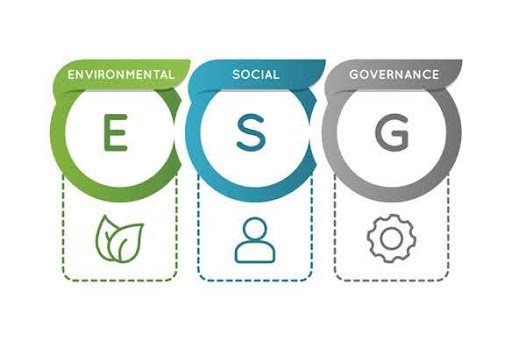
The environment is becoming compliant with ESG compliance consultancy requirements, compelling every organization, from small startups to multibillion-dollar firms, to make provisions. Sustainability mandates, shaking the business reliance on sustainability, responsible conduct, and corporate governance, have brought ESG standards to the forefront in the global debate concerning future regulation. Following intense advocacy and accountable practices, organizations are changing how they work, whether at the national or local level.
The idea of ESG compliance consultancy is not new; rather, it should no longer concern exclusively larger multinational corporations. Even small to medium-sized enterprises should be mindful of incorporating sustainability mandates and governance practices into their core strategies. It is by the fact that non-compliance could lead to legal action, reputation damage, and restricted access to capital. The perception of companies, as viewed by investors and stakeholders, is on their competence measured against sustainability metrics, further fueling the fire that regulators are igniting regarding reporting frameworks. Indeed, the velocity with which regulatory environments ensure that ESG is not just some stand-alone compliance exercise but acts as a strategic push for future survival and growth.
Thus, this very call for compliance with ESG across different regulatory landscapes signifies the global movement toward responsible capitalism.
The Birth of ESG Compliance
The history of ESG compliance dates back to early movements in the environment, which raised a question mark behind the unchecked growth of corporations. During the last twenty years, accountability for these concerns has evolved into formal regulatory frameworks. International commitments such as agreements between countries by the Paris Climate Accord, the UN Sustainable Development Goals (SDGs), and the European Union’s Green Deal have accelerated protection and responsibilities regarding the environment and social issues attached to commitments by those countries.
In this respect, companies are obliged to align with different national and international reporting requirements. Such standardization gives regulators and investors the ability to compare corporate performance in a standard manner. Initiatives that once appeared voluntary are now comprised of rule-making with relevant penalties and rewards.
The Corporate Sustainability Reporting Directive (CSRD), which applies within the context of the European Union, is an encroaching regulatory environment in which there are increasing current and future requirements pertaining to non-financial reporting.
Similar entrance policies have emerged from the U.S. Securities and Exchange Commission to propel such newly adopted rules to attach climate-related risk disclosures as necessary to what such impacts have on the movement. Asia, with countries like Japan and Singapore, also constructs stronger ecosystems for sustainability reporting. Therefore, this global momentum indicates that it is no longer a mere option but a business necessity for ESG compliance.
Regulatory Landscape Challenge Navigation
Lack of global harmonization is one of the most constraining issues. There are different standards and reporting requirements across countries, making it quite impossible for multinational companies to comply. To complete the scenario, a company may have to comply with the EU’s CSRD, the requirements of the UK on Sustainability Disclosure Requirements, and the SEC’s climate disclosure rules simultaneously.
Data collection and reporting are another daunting challenge. The major ESG measurements range from greenhouse gas emissions to workforce diversity and impacts on communities, while ESG metrics are often broad and qualitative. Therefore, collecting high-quality data that can be verified will involve advanced technology and trained human capital. The majority of small and medium enterprises can hardly do this because of their meager resources.
Some of them are misusing “greenwashing,” the belief in or feeling of a falsely overstated claim by a firm that they are doing something sustainable or even environmentally friendly. Regulators are increasingly aware of such tactics, and the dangers of an incorrectly misleading ESG will most likely be severe. Such forces then pose pressure for firms to report transparently and realistically.
Integrating Effective Strategies for ESG
The new world of social and governance spheres of compliance is complicated and would require companies to take proactive and constructive approaches.
- First, organizations should establish ESG governance boards or dedicated ESG committees, ESG monitoring, and business strategy sustainability objectives that remain aligned. Having top management include ESG monitoring creates accountability for long-term commitment.
- Second, technology provides a role. Advanced analytics, artificial intelligence-enabled monitoring tools, and a reporting engine driven by the blockchain improve transparency in compliance and create it. New-age digital platforms monitoring carbon footprint, supply chain impacts, and employee engagement initiatives are revolutionary.
- Thirdly, stakeholder engagement: organizations need to properly engage investors, customers, employees, and the community in the ESG journey across the company.
Conclusion
ESG compliance consultancy has become one of the pillars of modern business ways and global competitiveness within emerging regulatory regimes. To integrate environmental, social, and governance elements into a corporate strategy would not only link a company to compliance but also prepare the company for resilience against unpredictable futures.
Hence, underlining ESG compliance consultancy would, for the most part, be construed to signal a radical shift in the assessment of entities by regulators, investors, and society generally. To fight through complex regulatory settings, agility, innovativeness, and a proactive mindset are the characteristics that differentiate real companies from the fair-weather players. While those fulfill compliance requirements just as an obligation appear threatened, some embrace compliance as a strategic priority for trust, reputation, and sustainability mandates.
Inherent in the concept of ESG across the various regulatory regimes of the world is the understanding that doing business is a sustainability mandate. The best companies emerging victorious out of these challenges will therefore not only have legally compliant organizations but also significantly better their odds at contributing to a more equitable, meaningful, and environmentally friendly global economy.
References
[1] PwC, 2024 ESG Reporting Trends. [Online]. Available: https://www.pwc.com/gx/en/services/esg.html.
[2] Deloitte, ESG Compliance and Regulatory Outlook 2024. [Online]. Available: https://www2.deloitte.com/global/en/pages/risk/topics/esg-risk-and-compliance.html.
[3] KPMG, The Future of ESG Regulations. [Online]. Available: https://home.kpmg/xx/en/home/insights/2024/05/esg-regulations.html.
[4] World Economic Forum (WEF), Global Risks Report 2024. [Online]. Available: https://www.weforum.org/reports/global-risks-report-2024.
[5] European Commission, Corporate Sustainability Reporting Directive (CSRD). [Online]. Available: https://ec.europa.eu/info/business-economy-euro/company-reporting-and-auditing/corporate-sustainability-reporting_en.
[6] United Nations Principles for Responsible Investment (UN PRI), ESG Integration and Reporting Guidelines. [Online]. Available: https://www.unpri.org/.
FAQ’S
1. What does ESG compliance mean?
ESG compliance means following environmental, social, and governance standards set by regulators. It ensures that companies act responsibly toward people, the planet, and ethical governance.
2. Why is ESG compliance important in today’s regulatory landscape?
It protects companies from legal risks, enhances trust with investors, and supports sustainable growth. Non-compliance may lead to penalties, reputational harm, and loss of capital access.
3. How did ESG compliance originate?
ESG compliance grew from early environmental and social movements, later shaped by global agreements like the Paris Climate Accord, UN SDGs, and EU Green Deal.
4. Which global regulations impact ESG compliance the most?
Key frameworks include the EU’s CSRD, the SEC’s climate disclosure rules in the U.S., and Asia’s sustainability reporting requirements in Japan and Singapore.
5. What challenges do companies face in ESG compliance?
Major hurdles include lack of global harmonization, complex data collection, limited resources for SMEs, and the risk of greenwashing.
6. How does ESG compliance affect small and medium enterprises (SMEs)?
SMEs may struggle with costs and expertise, but compliance also improves reputation, attracts funding, and builds long-term resilience.
7. What role does technology play in ESG compliance?
AI, blockchain, and advanced analytics help companies track carbon footprints, supply chain risks, and workforce data, making reporting transparent and efficient.
8. What is the Corporate Sustainability Reporting Directive (CSRD)?
The CSRD is an EU law requiring companies to provide detailed non-financial sustainability reports, covering environmental and social performance.
9. How does ESG compliance influence investors?
Investors use ESG metrics to judge a company’s sustainability and risk profile. Strong compliance often attracts long-term, responsible investment.
10. What is greenwashing in ESG reporting?
Greenwashing is when companies exaggerate or mislead about their sustainability efforts. Regulators now impose strict penalties to curb this practice.
11. How can companies prevent greenwashing?
By providing verified, transparent data, using standardized reporting frameworks, and engaging independent auditors for ESG disclosures.
12. What are ESG metrics?
These are measurable indicators like greenhouse gas emissions, workforce diversity, human rights practices, and board governance quality.
13. Why is stakeholder engagement important in ESG compliance?
Engaging employees, customers, investors, and communities builds trust, improves transparency, and aligns sustainability goals with broader expectations.
14. How can companies integrate ESG into business strategy?
By forming ESG committees, setting measurable goals, and embedding sustainability into everyday operations and decision-making.
15. What risks do companies face if they ignore ESG compliance?
Risks include lawsuits, loss of investor confidence, reduced access to capital, and long-term reputational damage.
16. How do global standards differ in ESG compliance?
The EU focuses on detailed reporting, the U.S. emphasizes climate risk disclosure, and Asian countries stress long-term sustainable growth.
17. What is the link between ESG compliance and corporate governance?
Strong governance ensures accountability, ethical decision-making, and proper oversight of ESG goals and performance.
18. Can ESG compliance improve competitiveness?
Yes, companies that embrace ESG often gain market advantages, attract conscious consumers, and secure investor confidence.
19. How does ESG compliance align with the UN Sustainable Development Goals (SDGs)?
ESG frameworks directly support SDGs by addressing climate action, gender equality, decent work, and responsible production.
20. What tools help in ESG reporting?
Common tools include ESG dashboards, sustainability software, blockchain-based trackers, and cloud reporting platforms.
21. How often should companies report ESG performance?
Most regulations require annual reports, but leading firms adopt continuous monitoring to stay ahead of compliance risks.
22. What is the role of corporate boards in ESG compliance?
Boards must oversee ESG strategy, ensure transparent reporting, and align sustainability goals with long-term corporate vision.
23. How does ESG compliance build brand reputation?
Transparent reporting shows responsibility and accountability, which strengthens customer loyalty and public trust.
24. Is ESG compliance only for large corporations?
No, even SMEs must comply, as regulators expand rules to cover smaller firms and supply chains.
25. What is the future of ESG compliance?
It will shift from being optional to a mandatory global standard, with digital tools and harmonized frameworks shaping the way forward.
Penned by Nishita Kumari
Edited by Sneha Seth, Research Analyst
For any feedback mail us at info@eveconsultancy.in
Finance made simple, fast, and fun! 🏦💡 Sign up for your daily dose of financial insights delivered in plain English. In just 5 minutes, you’ll be smarter already!
Simplify Your Business Compliance with Eve Consultancy
Eve Consultancy is your trusted partner for end-to-end compliance services, including Company Incorporation, GST Registration, Income Tax Filing, MSME Registration, and more. With a quick and hassle-free process, expert guidance, and affordable pricing, we help businesses stay compliant while they focus on growth. Backed by experienced professionals, we ensure smooth handling of all your legal and financial requirements. WhatsApp us today at +91 9711469884 to get started.