In this day and age, everything is interlaced and dynamic, which requires that unforeseen events disrupt operations with an almost instantaneous effect, forcing companies to resort to tightly integrated crisis management strategies subsumed within considerations of compliance risk planning. With globalization being rampant, regulatory requirements are changing overnight, and the expectations of stakeholders are rising steadily-compliance just doesn’t cut it anymore for a company that can gain favor through its crisis management. Rather, a system must emerge whereby a company can anticipate threats, protect its legal standing, and uphold the trustworthiness of the business in challenging times.
Studies indicate 40% faster recovery from severe interruptions for organizations with integrated frameworks for crisis management strategies and compliance risk planning versus those without a structured plan in place. Business continuity, while lightly pressured, can be preserved by an alignment of operational readiness and regulatory foresight towards the avoidance of escalating costs in terms of fines or reputational harm.
Crisis Management Framework Establishment
A sound crisis management framework is the pillar of preparedness. Such a structured plan includes step-by-step means through which possible threats are captured, escalated, and subsequently addressed while embedding compliance considerations at every stage.
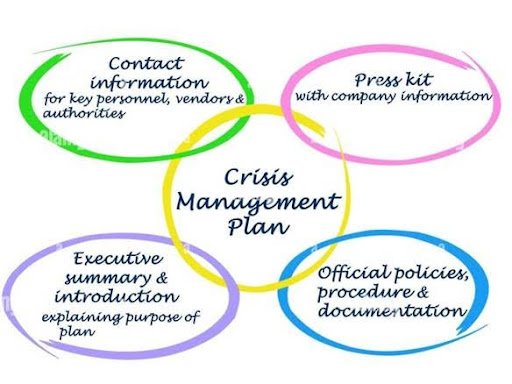
The framework typically contains the following components:
- Definitive governance structure: Decision-making authority must define powers to ensure speed and legality in action.
- Protocols for crisis communications: Pre-approved messaging widely acceptable under regulatory disclosure principles for public disclosures.
- Compliance checkpoints: Regulatory risk assessment shall be embedded in every operational decision made during the crisis.
For example, if a product contamination crisis hits a food manufacturer, the crisis plan should not only put provisions relating to how recalls are affected but also ensure that all those aspects comply with food safety regulations in each of the markets in which the product is sold. This prevents regulatory breaches that would worsen the crisis.
In addition, this framework needs to have regular reviews and updates, at least quarterly, with all changes that happen internally as well as changes in the legal landscape external to the organization. A stagnant plan is almost as dangerous as having no plan at all.
Perform Risk Assessments Thoroughly
Proactive risk assessments are vital to understanding certain weaknesses that could one day snowball into crises. The assessment process involves a meticulous mapping of threats (operational, financial, reputational & compliance).
The steps involved in the risk assessment comprise:
- Identifying the threats: Cyberattacks, natural disasters, and sudden changes in legislation.
- Impact analysis: Understanding how each potential threat could impact an organization’s operations, legal status, and brand reputation.
- Mitigation measures: Preparation of preventive measures and response actions for threats, as required under compliance obligations.
For example, one such international retailer may discover that its payment processing system is compliant under local laws, but not under the new EU data protection requirements. Gap analysis in the risk assessment provides an opportunity to close these gaps before formal notices arise—while also preventing penalties to avoid operational disruption during the ensuing crisis.
Risk assessments should be nimble, using real-time data and market intelligence to inform their decisions. An assessment done once per year is insufficient to keep up with a world where regulations and risks can change in a matter of days.
Train and Empower Employees
Employees are the first line of defense, yet during crises, they can also turn out to be a weakness. They must receive regular, targeted training to enable them not only to comprehend emergency procedures but also to know the legal and ethical bounds of their decision-making.
Training should include periods for skills training on:
- Scenario simulations: dealing with a ransomware attack, for example, while notifying relevant parties of data breaches within applicable privacy laws.
- Regulatory briefings: with news on laws that are relevant to the conduct of the company’s business.
- Decision-making empowerment: clear parameters for when staff are empowered to make decisions and act independently while remaining within boundary parameters compliant with set regulations.
A well-armed employee will always respond swiftly and efficiently, inflicting the least damage possible and avoiding possible torturous pitfalls. For instance, whenever there is a disruption in the supply chain, empowered teams in procurement will very quickly establish alternative suppliers, ensuring that such vendors meet standards of labor and the environment.
Technology as a Tool for Early Detection
Technology is fundamental for the detection and management of a crisis before it becomes uncontrollable. The modern applications combine the operational track with a compliance check in real-time so that no signal is missed.
This may include the following:
- AI-driven systems for ongoing financial monitoring: they detect atypical transactions or unusual system behaviors that may suggest fraud or cyber threats.
- Automated compliance alerts: which notify an operational team about regulatory changes impending on their operations
- Blockchain audit trails: offer a tamper-proof record of actions taken in any one of the investigations post-crises.
- For example, a financial services firm with the use of AI monitoring could detect within minutes a suspicious fund transfer, freeze accounts, and throw a spanner to the regulators about that activity- thus instantaneously fulfilling both operational and compliance aspects.
In all, the power of technology really lies in the combination of prevention and documentation, thus producing a visible record that evidences the diligence to the regulators and stakeholders alike.
But Proactive Planning Will Secure the Future: Conclusion.
It is through the joint efforts of crisis management strategies and compliance risk planning that an organization builds genuine resilience. There is hardly any business in today’s environment contended with the unpredictability of global events and fast-changing regulations worth being reactive.
A well-prepared organization:
- Anticipates the issues around continuous assessment.
- Acts quickly through crisis management strategies.
- Enables staff to act with sound judgment within compliance boundaries.
- Call upon technology for immediate monitoring and evidence.
Preparedness is no longer just survival: preparedness now ensures continued success and protection for the brand against the loss of trust and those authorities, customers, and stakeholders whose approval it must seek. Such companies can now manage crises more successfully, with the bonus of emerging stronger, faster, and much better positioned for growing in the future.
Works Citied
[1] “Crisis Management Planning,” Ready.gov. [Online]. Available: https://www.ready.gov/crisis-management
[2] “Corporate Compliance Best Practices,” ComplianceWeek. [Online]. Available: https://www.complianceweek.com
[3] “Integrating Compliance into Crisis Management,” PwC Insights. [Online]. Available: https://www.pwc.com
FAQ’S
- What is compliance risk planning in crisis management?
It is the process of integrating regulatory requirements into crisis strategies so businesses remain legally sound while addressing disruptions effectively. Why is crisis management important for compliance?
It prevents fines, legal penalties, and reputational damage by ensuring that every crisis response aligns with regulations.How does a crisis management framework work?
It sets a structured governance system, communication protocols, and compliance checkpoints to ensure quick and lawful decision-making during crises.What role does governance play in crisis management?
Governance defines decision-making authority, ensures accountability, and keeps responses compliant with laws and ethical standards.How do communication protocols aid compliance in crises?
They provide pre-approved, regulation-compliant messages for stakeholders, regulators, and the public, reducing risks of miscommunication.What are compliance checkpoints in a crisis plan?
They are regulatory risk assessments embedded at each decision point to prevent violations while managing disruptions.How often should crisis management plans be updated?
At least quarterly, or whenever internal or external regulatory landscapes change, to stay relevant and effective.Why are risk assessments critical for compliance planning?
They identify threats, measure impact, and help close compliance gaps before they escalate into costly crises.What types of risks should organizations assess?
Operational, financial, reputational, and compliance risks like cyberattacks, regulatory changes, and supply chain issues.How can real-time data improve risk assessments?
It provides immediate insights into threats and regulatory changes, enabling proactive action instead of delayed reactions.What is the role of employees in compliance crisis management?
Employees are the first responders; with proper training, they ensure actions remain ethical and legally compliant.Why is employee training essential in crisis management?
It prepares staff for emergencies, updates them on legal obligations, and empowers quick decision-making within compliance boundaries.What are scenario simulations in compliance training?
They mimic real crises (like ransomware attacks) and teach employees how to act while meeting disclosure and reporting rules.How can empowerment reduce compliance risks during crises?
Clear decision-making parameters let employees act quickly without breaching regulations, minimizing risks.What technologies support crisis and compliance planning?
AI monitoring, blockchain audit trails, and automated compliance alerts help detect issues early and maintain accountability.How does AI strengthen compliance risk planning?
AI flags unusual activities, supports fraud detection, and helps businesses respond swiftly while notifying regulators.What role does blockchain play in compliance?
It provides tamper-proof audit trails that regulators and stakeholders can trust for transparency and accountability.How do automated compliance alerts help?
They notify businesses instantly about regulatory updates, allowing them to adjust operations without delays.What is the link between crisis management and brand reputation?
A strong plan helps organizations respond responsibly, maintaining trust with stakeholders and the public during disruptions.How can compliance planning prevent financial losses?
By ensuring actions meet regulations, companies avoid fines, penalties, lawsuits, and unnecessary crisis escalation costs.Do regulators view crisis preparedness positively?
Yes, regulators favor companies with structured crisis and compliance strategies, as it shows diligence and accountability.Can crisis management improve stakeholder trust?
Absolutely—transparent, regulation-compliant responses strengthen relationships with customers, investors, and regulators.How does globalization affect compliance crisis planning?
Global operations face rapidly changing regulations across countries, making compliance integration in crisis plans essential.What’s the biggest mistake companies make in crisis planning?
Failing to update plans regularly or ignoring compliance, leading to outdated responses that risk fines and reputational harm.How do crisis management and compliance ensure resilience?
Together, they build the capacity to anticipate risks, act swiftly, and emerge stronger while staying legally protected.
Penned by Nishita Kumari
Edited by Sneha Seth, Research Analyst
For any feedback mail us at info@eveconsultancy.in
Finance made simple, fast, and fun! 🏦💡 Sign up for your daily dose of financial insights delivered in plain English. In just 5 minutes, you’ll be smarter already!
Simplify Your Business Compliance with Eve Consultancy
Eve Consultancy is your trusted partner for end-to-end compliance services, including Company Incorporation, GST Registration, Income Tax Filing, MSME Registration, and more. With a quick and hassle-free process, expert guidance, and affordable pricing, we help businesses stay compliant while they focus on growth. Backed by experienced professionals, we ensure smooth handling of all your legal and financial requirements. WhatsApp us today at +91 9711469884 to get started.